Cable Radial Deviation
Running the resistance through a cable keeps steady tension on the wrist stabilizers across the whole range, which a free weight cannot match at the top. It is a precise way to train radial deviation for wrist health and grip control. Use light weight and slow reps, treating it as detailed accessory work.
- Equipment
- Cables
- Body part
- Forearms
- Type
- Strength
- Browse by muscle
- Brachioradialis, Extensors
- Browse by movement
- Wrist Deviation


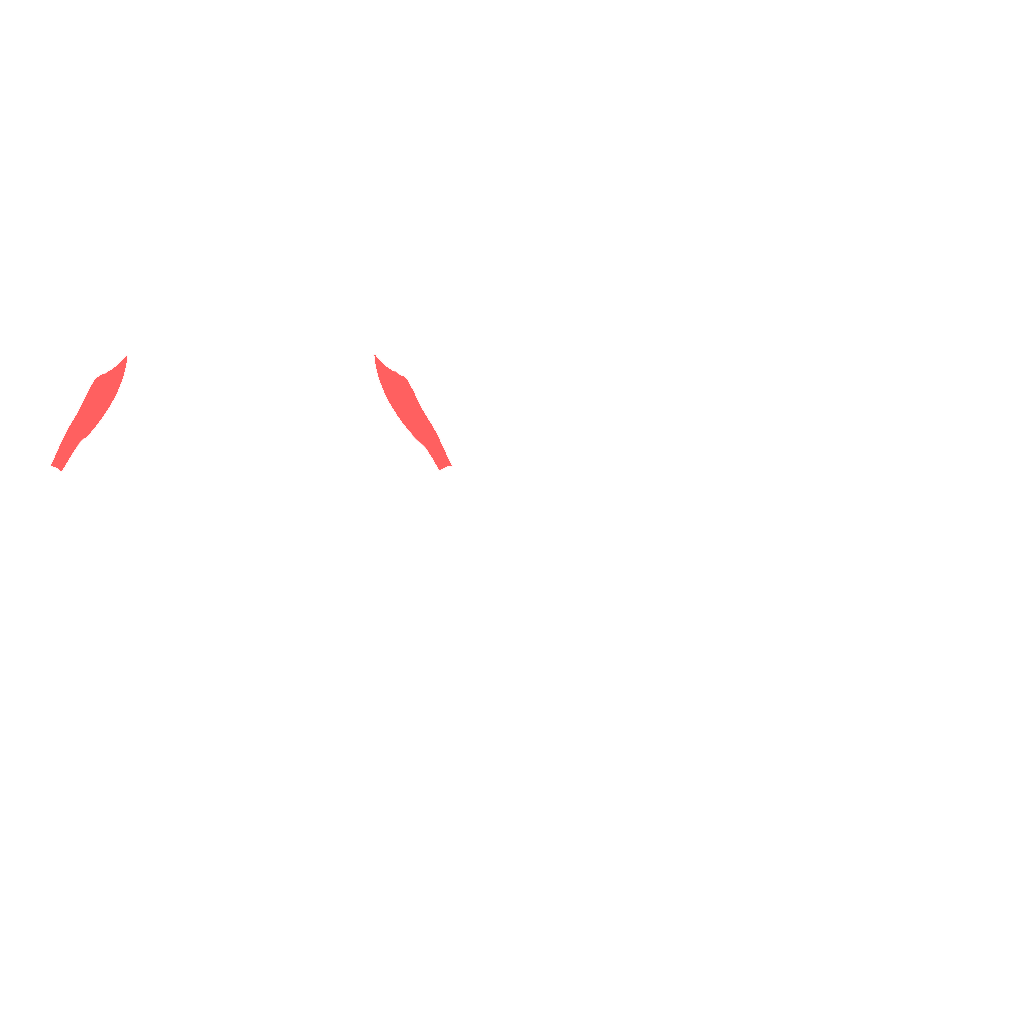
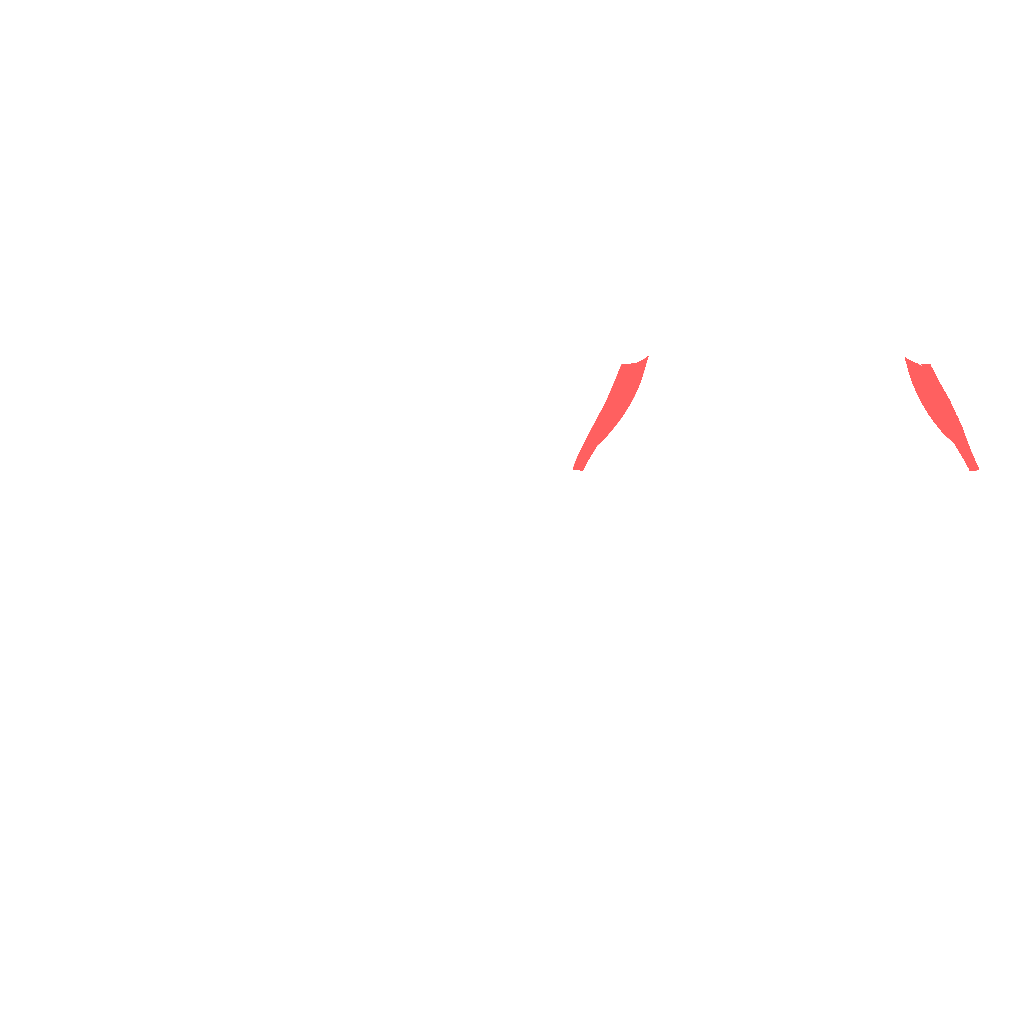
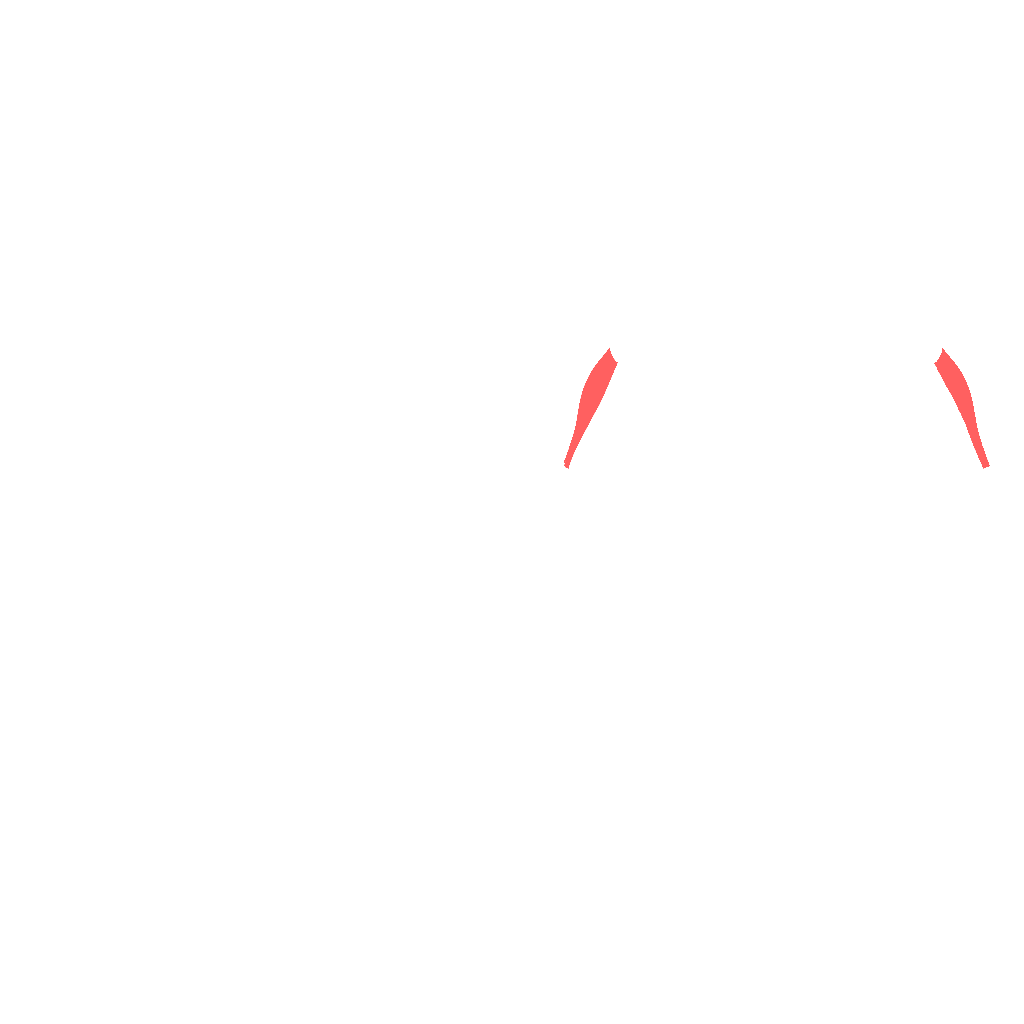
- Target
- Brachioradialis, Extensors
How to do it
- 1
Set a handle on a low cable pulley and stand with your back to the stack, a step or two in front of it.
- 2
Take the handle with a neutral, thumbs-up grip and step out to load the cable.
- 3
Keep the forearm and elbow fixed at your side with the wrist in a neutral line.
- 4
Tilt the hand upward at the wrist, pulling the thumb side up against the cable.
- 5
Return slowly to neutral, resisting the pull the whole way.
- 6
Finish the set, then switch the handle to the other hand.
Tips
- Keep the elbow pinned; let only the wrist move against the cable.
- Stand far enough from the stack to keep tension at the bottom of the range.
- Start light and build slowly; the radial deviators are small and easily strained.
Variations
Common mistakes
- A swivel handle lets the hand rotate as you tire, and the thumbs-up grip quietly turns palm-forward, which changes the exercise into a wrist curl.
- You stand almost on top of the pulley, so the cable runs nearly straight down along the hand and the start of the tilt carries no load. Step far enough forward that the cable pulls back toward the stack.
- The lightest plate on the stack is heavier than this movement wants, and the first sign is the whole arm rowing back. Hang a magnet on the plate or use a band instead.
- The stack clacks down between reps, so each one starts with a small jerk against a dead weight rather than against steady tension.
- The body turns side-on to the machine as the set goes on, so the cable pulls across the palm instead of from behind and the wrist ends up working somewhere between flexion and deviation.
Frequently asked
- How many reps of the cable radial deviation, and how light should the stack be?
- Two or three sets of 15 to 20 per wrist on the lightest setting the stack allows, at the end of a session. Because the cable holds tension everywhere, the honest measure is whether the return is as slow as the lift, so count three seconds down. Move the pin only once you can do 20 reps on both wrists with the elbow against your ribs, and expect that jump to send you back to 12 reps for a session or two. Twice a week is enough.
- What can I use instead of a cable machine for radial deviation?
- A band tied to a low anchor gives you the same back-to-the-anchor setup and is far easier to make light, which matters here. A plate held by the rim or a hammer held down the handle are the free-weight versions, though resistance falls away at the top where a cable keeps pulling. A dumbbell held toward one end is the simplest home option. With no equipment, press the thumb side of the hand up into the underside of a table and hold for slow, deliberate counts.
- Why use a cable for radial deviation instead of a plate or dumbbell?
- A free weight only loads the wrist where gravity fights the tilt, which is a small part of an already small range; the cable pulls the whole way, including at the top where the deviators are shortest. That makes it the precise option for wrist stability work and for climbers or anyone rebuilding control after a wrist has been unhappy. It is a poor use of a cable station in a busy gym, since a band does much the same job in a corner, and it is not the exercise if you are chasing forearm size.
Related exercises
Other movements among FitRay's 2,000+ exercises that load the same target muscle — same equipment and level first.