Eccentric Heel Drop
By pressing up with both feet and lowering slowly on one, this drill loads the calf muscles and Achilles tendon under a long eccentric contraction, the exact pattern shown to build tendon resilience in rehab protocols. It is a staple for anyone managing cranky Achilles or calf tendons and for athletes wanting stronger, springier lower legs. Keep the lowering slow and honest; the descent is the whole point.
- Equipment
- Body Weight
- Body part
- Calves
- Type
- Strength
- Browse by muscle
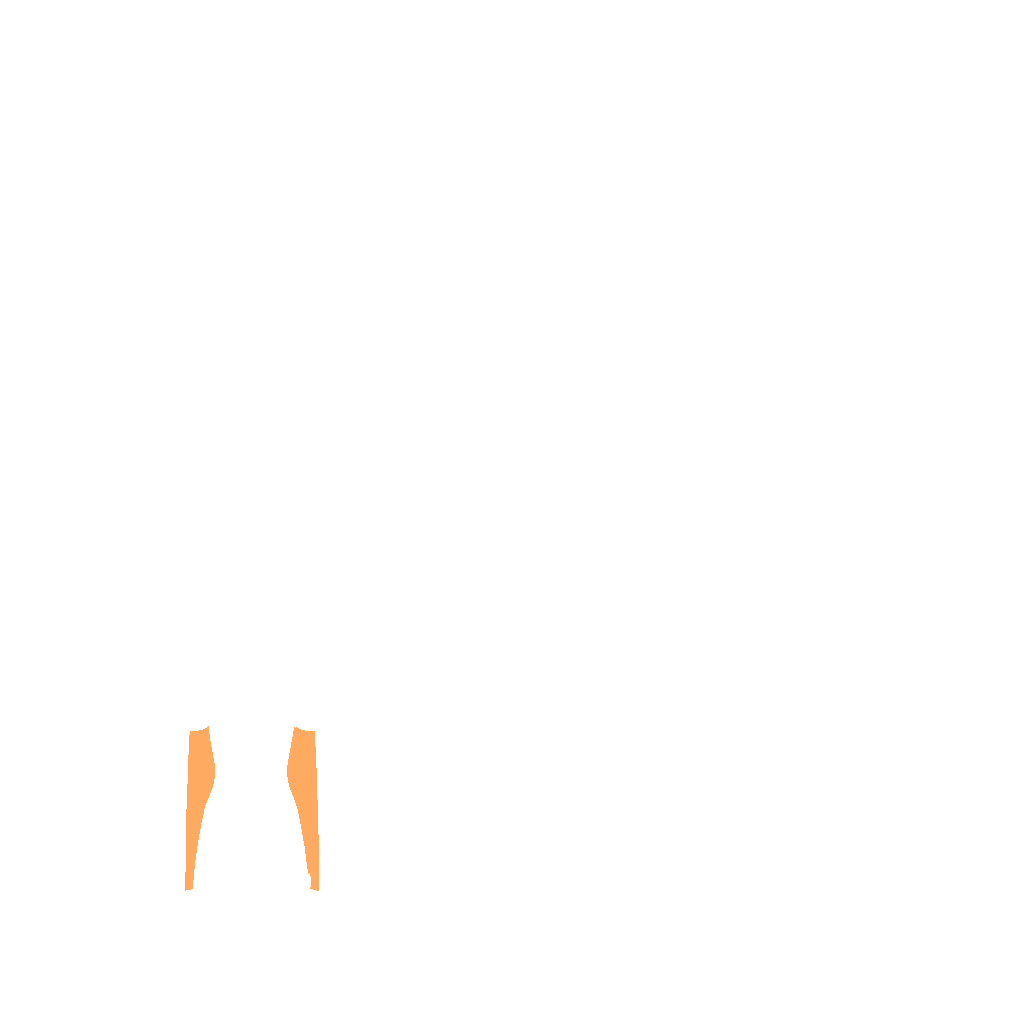
- Gastrocnemius Lateral Head, Gastrocnemius Medial Head
- Browse by movement
- Calf Raise




- Target
- Gastrocnemius Lateral Head, Gastrocnemius Medial Head
- Secondary
- Soleus Gastrocnemius
How to do it
- 1
Stand with the balls of both feet on the edge of a step and heels hanging free.
- 2
Hold a rail or wall lightly for balance and rise onto the balls of both feet.
- 3
Shift your weight onto one leg and lift the other foot off the step.
- 4
Lower the working heel slowly over three to four seconds until you feel a deep stretch.
- 5
Return both feet to the step and press up together to start the next rep.
- 6
Complete the reps on one side, then switch legs.
Tips
- Take at least three seconds to lower so the eccentric load stays high.
- Press up with both feet and lower with one to control the difficulty.
- Keep the knee straight to bias the gastrocnemius, or add a soft bend to shift toward the soleus.
Variations
Common mistakes
- The working knee bends during the descent without deciding to, which quietly shifts load from the gastrocnemius to the soleus mid-rep instead of on purpose.
- Pressing back up on the working leg alone instead of both feet turns a controlled eccentric drill into a full concentric calf raise, doubling the work the tendon does per rep.
- The heel only drops a couple of inches below the step instead of all the way into a real stretch, which caps how much of the range gets trained.
- Rushing the down phase to get through more reps skips the slow eccentric that is the entire reason this drill exists.
Frequently asked
- How many reps of the eccentric heel drop should a beginner do?
- Start with 2 to 3 sets of 10 to 12 slow reps per leg, using both feet to press up and only the working leg to lower. Add a small amount of weight in a backpack or add a second daily set before you ever rush the three-second lowering count.
- What can I use instead of a step for the eccentric heel drop?
- A sturdy staircase, a curb, or a thick book or weight plate to stand the balls of your feet on all work, as long as the heel can drop below the level of the toes. Without any raised edge at all, do the same slow lowering flat on the floor for a shorter but still useful range.
- What is the eccentric heel drop good for and when should you hold off?
- It builds calf and Achilles tendon resilience through slow eccentric loading, the pattern most often used to rehab and prevent Achilles tendon issues. Hold off, or keep the range shallow, during a sharp or acute Achilles flare-up, and check with a clinician before loading a tendon that is actively inflamed.
Related exercises
Other movements among FitRay's 2,000+ exercises that load the same target muscle — same equipment and level first.
- BeginnerCalf Raise Isometric HoldBody Weight · Calves
- BeginnerSingle-Leg Calf RaiseBody Weight · Calves
- BeginnerStanding Calf Raise on StepBody Weight · Calves
- BeginnerToe WalkBody Weight · Calves
- BeginnerTurnout Releve PulseBody Weight · Calves
- IntermediateSingle-Leg Balance to Calf RaiseBody Weight · Calves