Toe Walk
Walking up on your toes keeps the calves under a sustained plantarflexed contraction while adding a real balance and gait challenge, which is why coaches and therapists use it for calf endurance and ankle resilience. With the knees straight the gastrocnemius leads and the soleus supports. It costs nothing, warms the lower leg beautifully, and pairs well with heel walks for balanced ankle conditioning.
- Equipment
- Body Weight
- Body part
- Calves
- Type
- Functional, Strength
- Browse by muscle
- Gastrocnemius Lateral Head, Gastrocnemius Medial Head
- Browse by movement
- Calf Raise



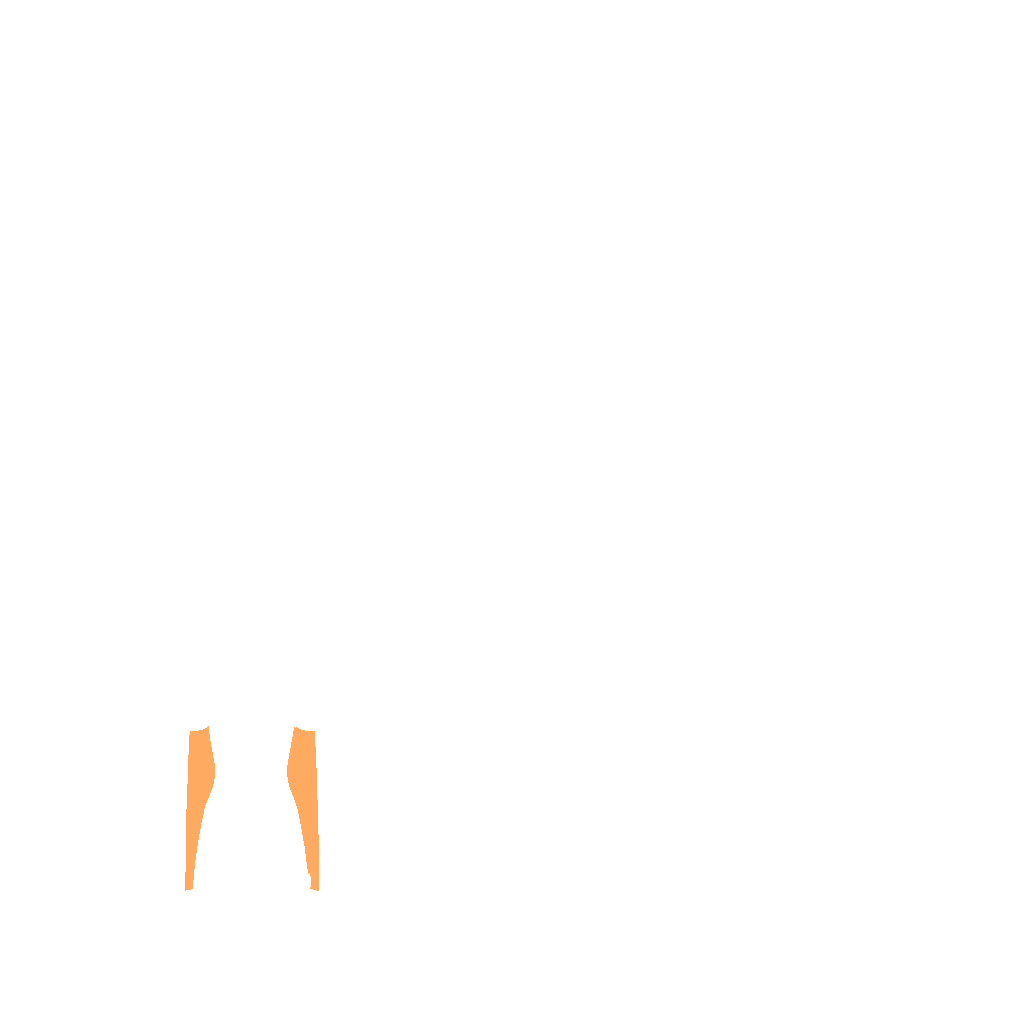


- Target
- Gastrocnemius Lateral Head, Gastrocnemius Medial Head
- Secondary
- Soleus Gastrocnemius
- Tertiary
- Gluteus Medius
How to do it
- 1
Stand tall and rise up onto the balls of both feet with your heels as high as possible.
- 2
Keep your knees straight and your core braced.
- 3
Walk forward in small, controlled steps without letting your heels touch down.
- 4
Stay tall and keep the calves fully contracted throughout.
- 5
Cover a set distance or time, then lower your heels and rest.
- 6
Breathe steadily and keep the pace smooth rather than rushed.
Tips
- Keep the heels high the entire walk; dropping them defeats the purpose.
- Stay tall through the hips instead of leaning forward to balance.
- Build distance gradually as the calves and ankles adapt.
Variations
Common mistakes
- The steps get longer to cover ground faster, which shortens how long the calf spends under tension on each step.
- The toes turn outward for a wider, more stable base, which takes the ankle out of a straight line and changes which part of the calf is doing the work.
- Rolling onto the outer or inner edge of the foot instead of staying centered on the ball of the foot lets the ankle wobble instead of stay stacked.
- Holding the breath while concentrating on balance is common on this one and adds neck tension that has nothing to do with the calves.
Frequently asked
- How far should a beginner toe walk?
- Start with 3 to 4 rounds of 15 to 20 yards or about 20 seconds each, resting until the calves stop burning between rounds. Add distance in short increments, since the calves and ankles fatigue faster on this than most people expect.
- How do I make the toe walk easier or harder?
- To make it easier, shorten the distance, walk slower, or hold a wall for light balance support. To make it harder, add distance, carry a light weight in each hand, or add a brief pause on the balls of the feet every few steps.
- What is the toe walk good for and who should be cautious with it?
- It builds calf endurance and ankle control under a sustained contraction, useful as a warm-up for jumping and running sports or a light finisher for the lower legs. Go easy or skip it if you have an active Achilles flare-up, since sustained plantarflexion under bodyweight load is exactly what an irritated Achilles does not need.
Related exercises
Other movements among FitRay's 2,000+ exercises that load the same target muscle — same equipment and level first.
- BeginnerCalf Raise Isometric HoldBody Weight · Calves
- BeginnerEccentric Heel DropBody Weight · Calves
- BeginnerSingle-Leg Calf RaiseBody Weight · Calves
- BeginnerStanding Calf Raise on StepBody Weight · Calves
- BeginnerTurnout Releve PulseBody Weight · Calves
- IntermediateSingle-Leg Balance to Calf RaiseBody Weight · Calves