Chair Side Bend
Side bends open the space between the ribs and the pelvis, giving the obliques and lats a long, satisfying stretch that also helps the breath move more freely. Performed from a chair, it is accessible to nearly everyone and a lovely counter to hours of sitting slumped. It works well as a mid-session reset for the whole trunk.
- Equipment
- Body Weight
- Type
- Stretching, Yoga
- Browse by muscle
- Abdominal External Oblique



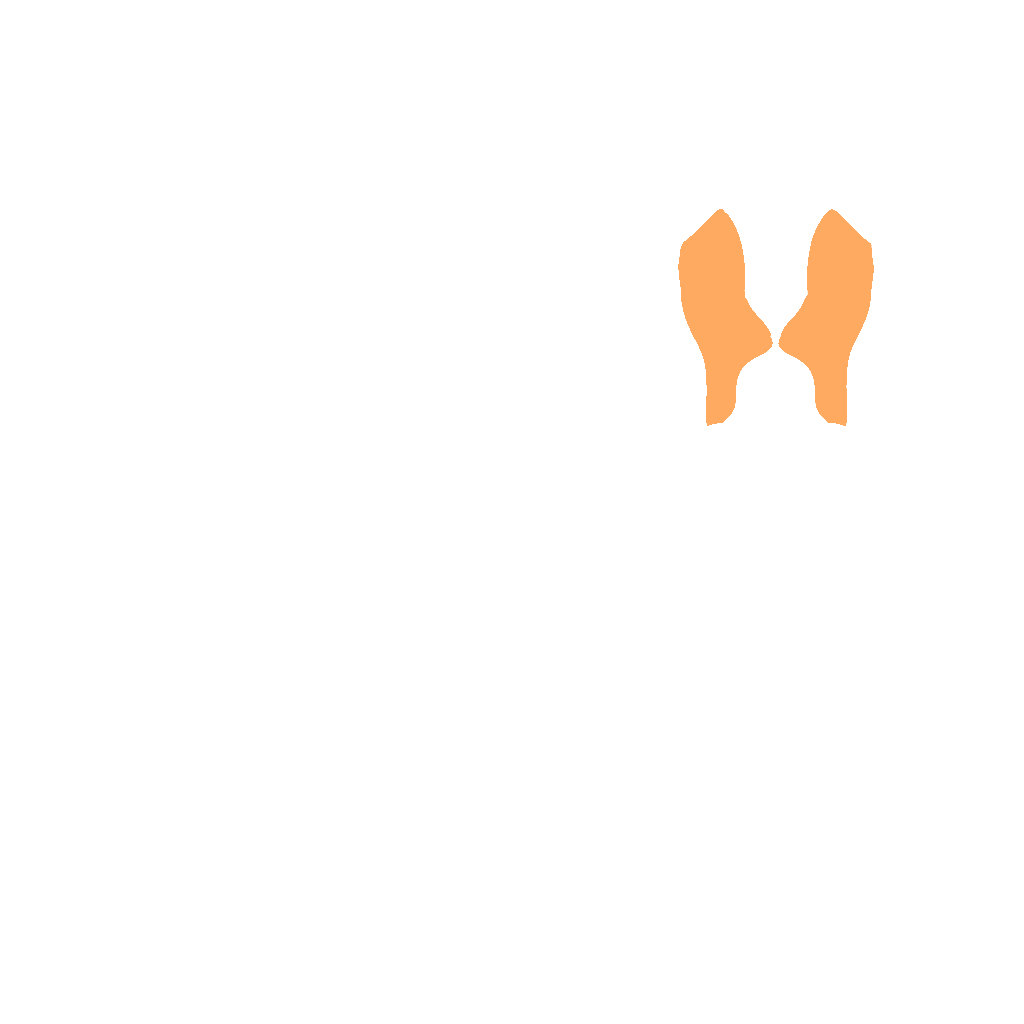

- Target
- Abdominal External Oblique
- Secondary
- Latissimus Dorsi
- Tertiary
- Erector Spinae
How to do it
- 1
Sit tall with feet flat and both sitting bones evenly grounded.
- 2
Rest the right hand on the seat or the right side of the chair.
- 3
Inhale and sweep the left arm up alongside the ear.
- 4
Exhale and reach the left arm up and over to the right, bending gently through the side body.
- 5
Keep both hips heavy and anchored so the stretch stays in the waist and ribs.
- 6
Hold for three to five breaths, then rise on an inhale and repeat on the other side.
Tips
- Reach up and out, not just down, to keep length through the side.
- Keep the opposite hip from lifting off the seat.
- Turn the chest slightly upward rather than collapsing forward.
Variations
Common mistakes
- The supporting hand shoves down into the seat and that shoulder rides up into the ear, so the lower side compresses instead of the top side lengthening; rest the hand, do not lean on it.
- Most of the bend happens at the belt line, where the spine bends sideways least willingly; aim to open the gap between your bottom rib and the top of your pelvis.
- The reaching arm bends at the elbow and folds over the head, and the lat drops out of the stretch; keep that arm long from armpit to fingertips.
- Your knees drift to one side and the pelvis tilts with them, so the hips supply the bend the waist was meant to; keep both feet flat and the knees level.
- The breath gets held at the deepest point, which is the one moment the ribs on the stretched side could open; send the inhale into that side and the reach grows on its own.
Frequently asked
- How many reps of the Chair Side Bend should a beginner do?
- Hold three to five slow breaths per side and do two or three rounds each way, which takes about two minutes. It is safe daily and works well as a mid-morning break from a desk. Progress by holding a breath or two longer and by reaching further up before you reach over, rather than by bending further sideways. Match the sides: one of them will feel shorter, and that is the side to give the extra round to.
- What can I do instead of the Chair Side Bend if I have no chair?
- A stool, a bench, a stair, or the edge of a bed all work as long as both sitting bones are level. Standing with the feet hip-width and one hand sliding down the side of your thigh reaches the same line, though you have to hold yourself up. Sitting cross-legged on the floor with one hand planted beside you is the closest floor version, and half-kneeling with the other leg out to the side brings the inner thigh in alongside the waist.
- What is the Chair Side Bend good for, and when is it a poor choice?
- It opens the space between the ribs and the pelvis that the obliques and lats close down over hours of slumped sitting, and it lets the ribs move more freely so the breath comes easier. Nearly anyone can do it, which is why it fits in an office, a care home, or a gentle class. It is a poor choice if side bending brings on pain down a leg or into the ribs, and it does nothing for oblique strength; a loaded carry or a Pallof press covers that side of the work.
Related exercises
Other movements among FitRay's 2,000+ exercises that load the same target muscle — same equipment and level first.