Chest-to-Bar Pull-Up
Pulling all the way to your chest extends the range far past a standard pull-up, forcing extra scapular retraction and a harder lat and lower-trap contraction at the top. That deeper finish builds the pulling height and back tightness you need for chest-to-bar work and, eventually, the muscle-up. It is an excellent strength step once ordinary pull-ups feel easy for clean reps.
- Equipment
- Pull-Up Bar
- Type
- Strength
- Browse by muscle
- Latissimus Dorsi
- Browse by movement
- Vertical Pull




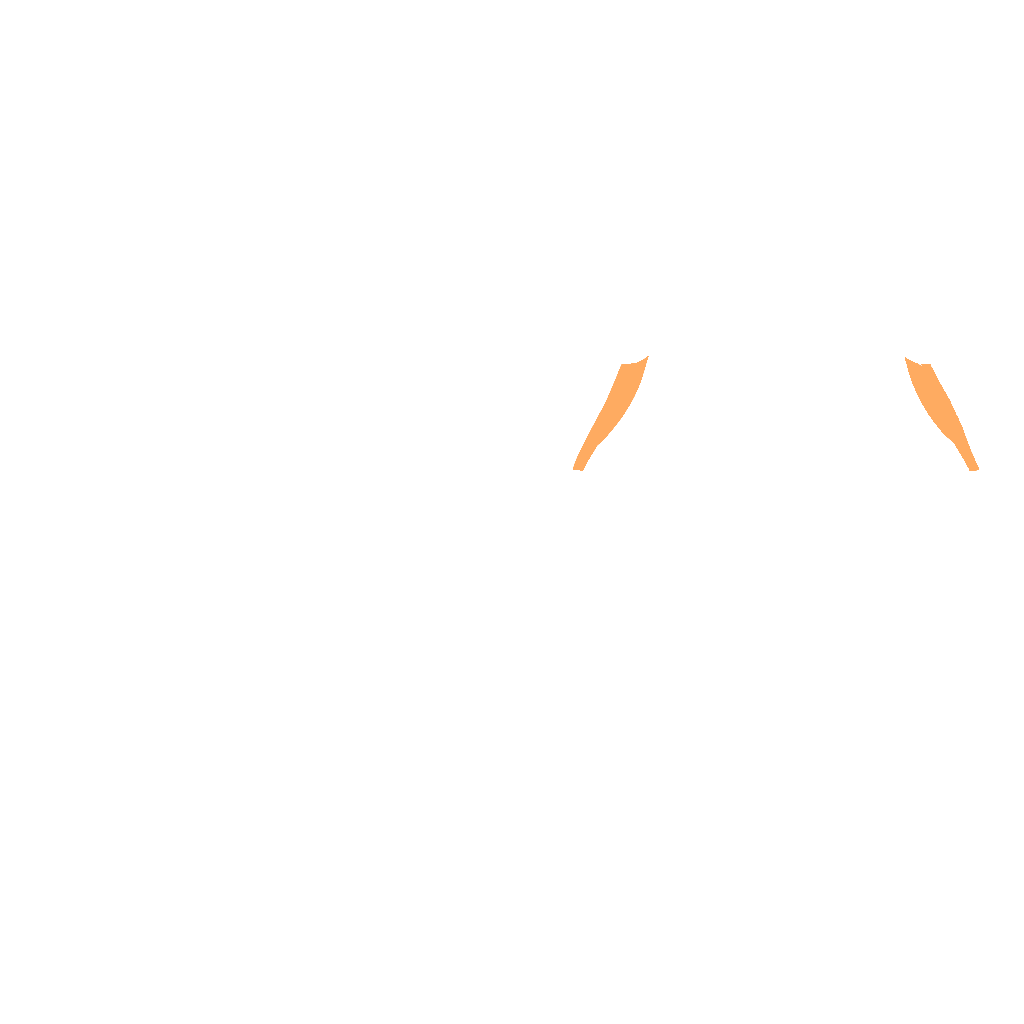


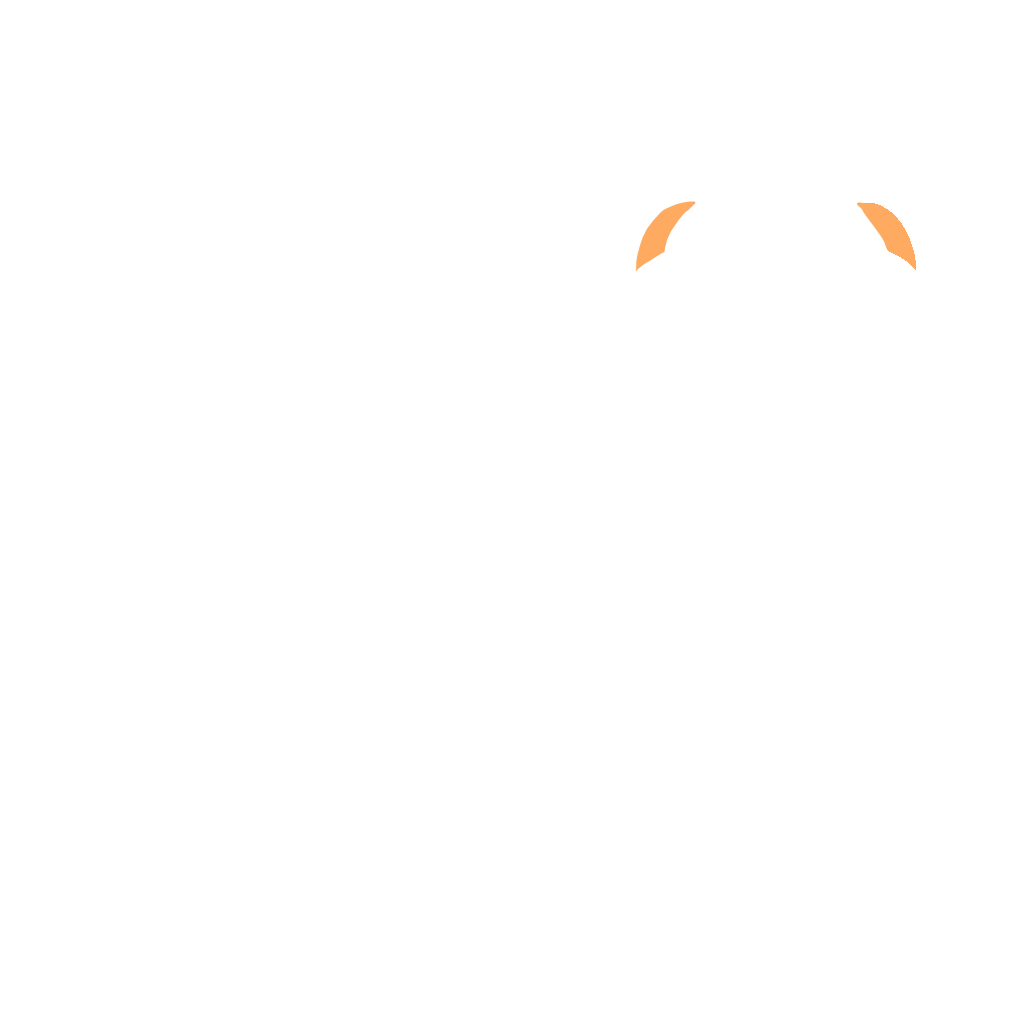

- Target
- Latissimus Dorsi
- Secondary
- Biceps Brachii Long Head, Biceps Brachii Short Head, Brachioradialis, Trapezius Lower, Trapezius Middle, Deltoid Posterior
- Tertiary
- Infraspinatus, Abdominal External Oblique, Pectoralis Major Sternocostal
How to do it
- 1
Hang from an overhand grip a little wider than your shoulders with the core braced.
- 2
Pull hard while driving your elbows down and back and leaning your chest slightly toward the bar.
- 3
Continue until your upper chest or sternum makes contact with the bar.
- 4
Squeeze your shoulder blades together at the top for a beat.
- 5
Lower under control to a full dead hang before the next rep.
Tips
- Lead with the chest and retract the scapulae hard; do not just crane your neck to reach the bar.
- Pull explosively from the bottom so you carry enough speed into the higher finish.
- If you cannot reach your chest yet, aim a little higher than chin height each session until contact comes.
Variations
Common mistakes
- The slight forward lean grows into a full layback with the hips ahead of the bar, so the chest reaches the steel because the body went horizontal, not because the pull got higher.
- Ankles get crossed and swung forward to lever the chest in, which is a small kip inside a movement that is meant to be strict.
- The chest is thrown at the bar hard enough to bounce off it; touch the sternum on purpose and hold there for a beat rather than using the bar as a backstop.
- Once the sets get long, the contact point slides down to the collarbone and then to the chin, and the session finishes as ordinary pull-ups under a different name.
- Switching every set to chest contact before you own eight clean chin-over-bar reps buys a session of failed halves; take contact reps in the first set or two and finish at chin height.
Frequently asked
- How many chest-to-bar pull-ups should you do when you are new to the exercise?
- If you already have 8 to 10 strict pull-ups, start with four sets of 3 to 5 contact reps twice a week and add one rep per set every week or two. If you do not, spend four to six weeks building ordinary pull-ups first. Use your freshest sets for the contact reps, since the extra range disappears the moment you are tired. Once four sets of 8 feel clean, add a small amount of weight rather than more reps.
- What can I do instead of chest-to-bar pull-ups if I have no bar?
- A high inverted row on rings or under a barbell in a rack, pulled until the sternum touches, trains the same deep retraction with your feet on the floor to set the load. A chest-supported row with a hard squeeze at the finish gets the mid-back working through the same end range. If you have a pull-up bar but not the strength yet, a band looped under the knees keeps the contact honest while you build.
- What is the chest-to-bar pull-up good for, and when is it a poor choice?
- The extra few inches force more scapular retraction and a harder finish from the lats and lower traps, which is why it is the standard step between the pull-up and the muscle-up. It is a poor choice before your strict pull-ups are solid, because the usual fix is a kip. If pure lat size is the goal, most of that extra range comes from the mid-back and arms, so a heavy weighted pull-up is a better use of the effort.
Related exercises
Other movements among FitRay's 2,000+ exercises that load the same target muscle — same equipment and level first.
- IntermediateChin-UpPull-Up Bar · Back · Lats
- IntermediateBurpee Pull-UpPull-Up Bar · Lats · Quads
- IntermediateChin-Up Top HoldPull-Up Bar · Back · Biceps
- IntermediateFlexed-Arm Hang at 90 DegreesPull-Up Bar · Biceps · Lats
- IntermediateHanging Scapular Lift-OffPull-Up Bar · Lats · Traps
- IntermediateJumping Muscle-UpPull-Up Bar · Biceps · Lats