Pendant Pose
Pendant pose crosses the ankles, presses the palms down beside the hips, and lifts the entire folded body off the ground so it hangs like a swinging weight. It is the most accessible entry to the seated lift-off family and directly trains scapular depression, triceps lockout, and deep abdominal compression. A great strength builder toward scale and rooster.
- Equipment
- Body Weight
- Type
- Balance, Strength, Yoga
- Browse by muscle
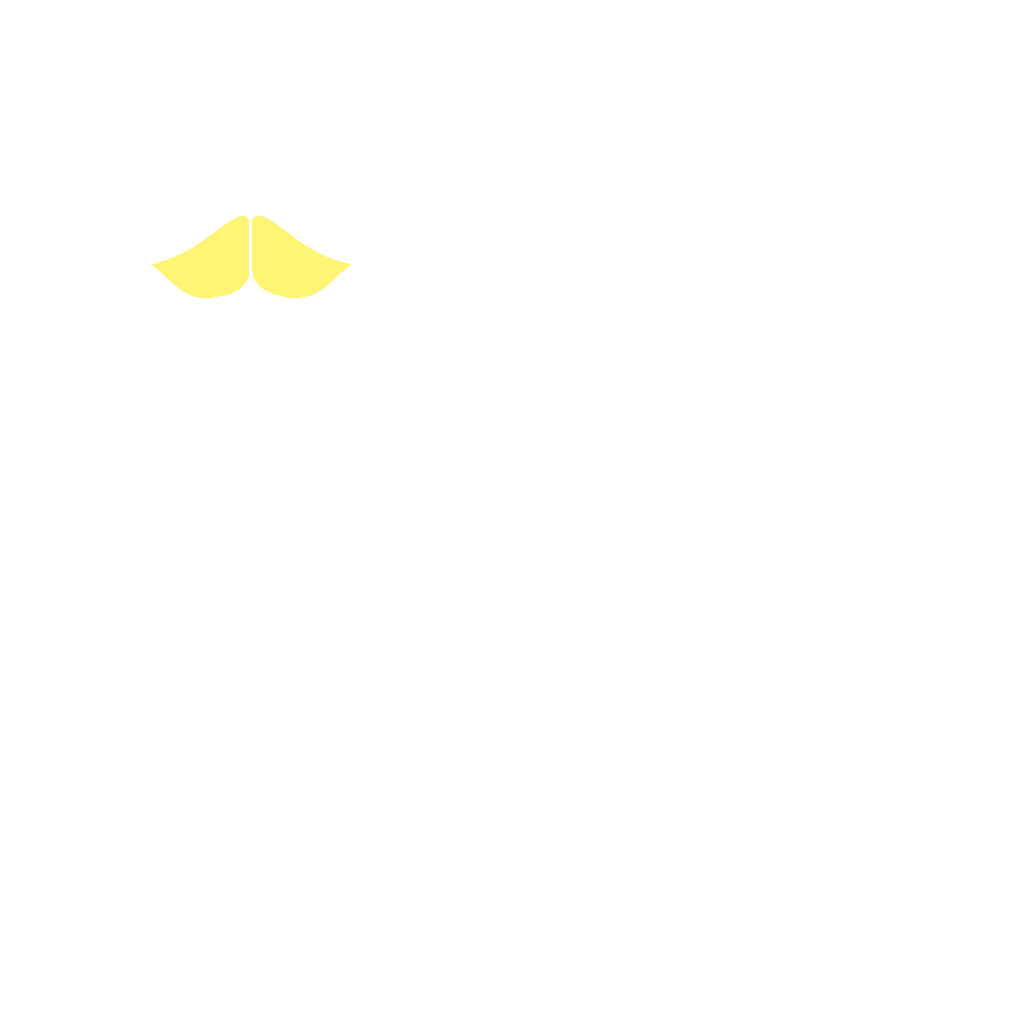
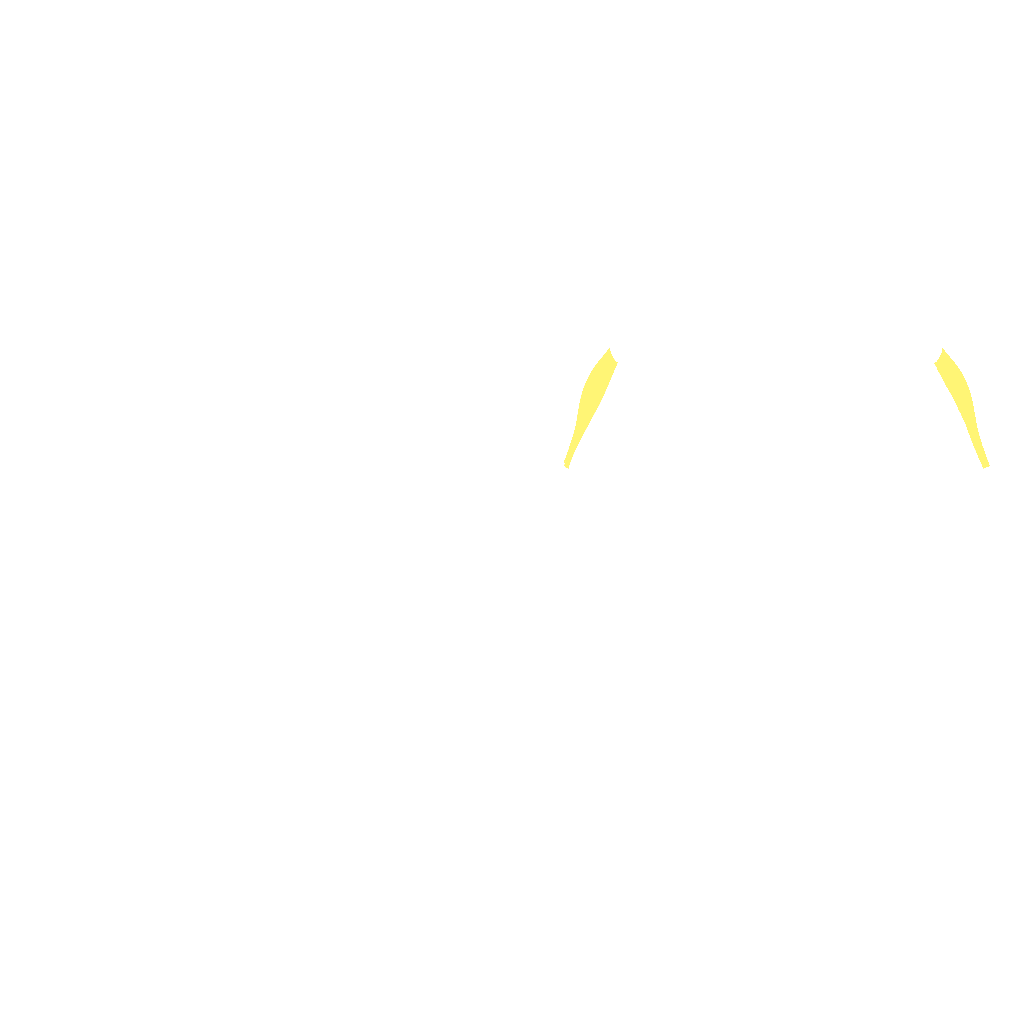
- Latissimus Dorsi, Triceps Brachii Long Head, Triceps Brachii Lateral Head, Triceps Brachii Medial Head
- Browse by movement
- Core Brace











- Target
- Latissimus Dorsi, Triceps Brachii Long Head, Triceps Brachii Lateral Head, Triceps Brachii Medial Head
- Secondary
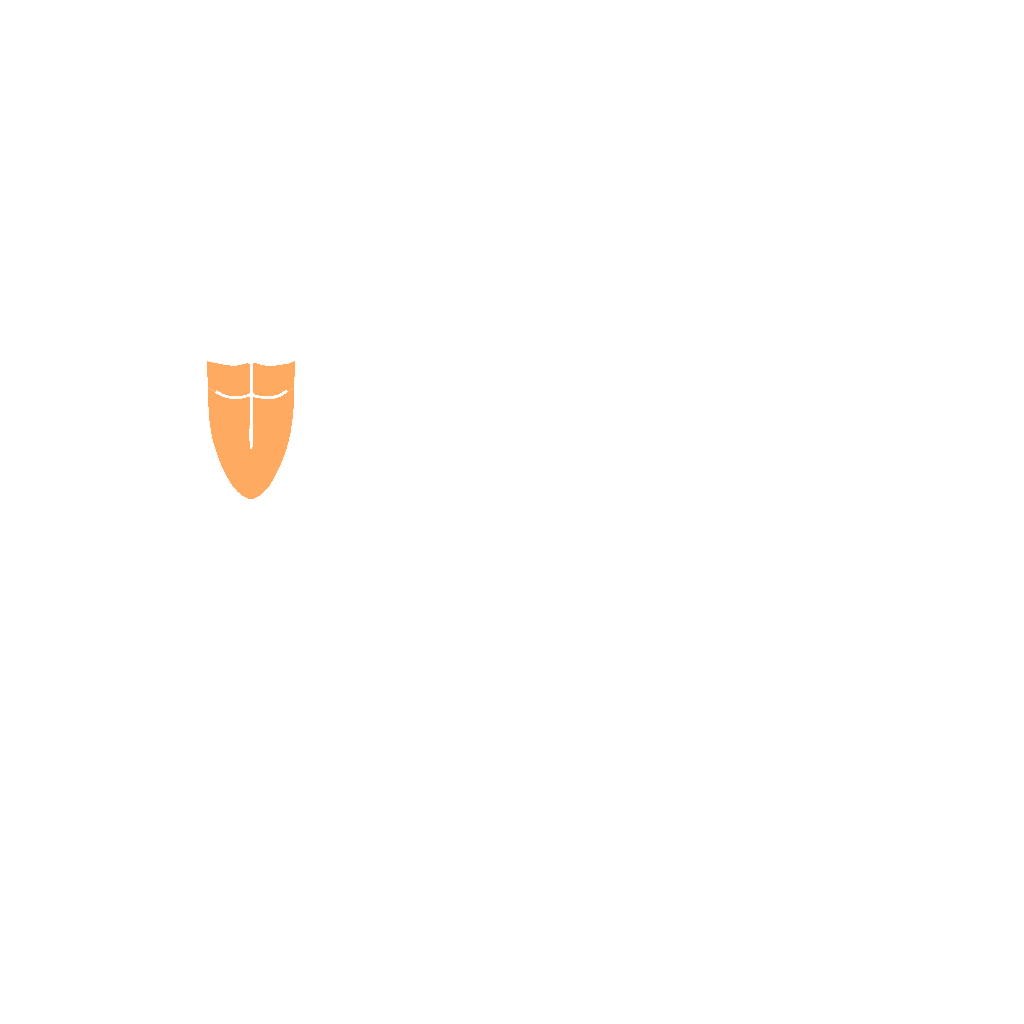
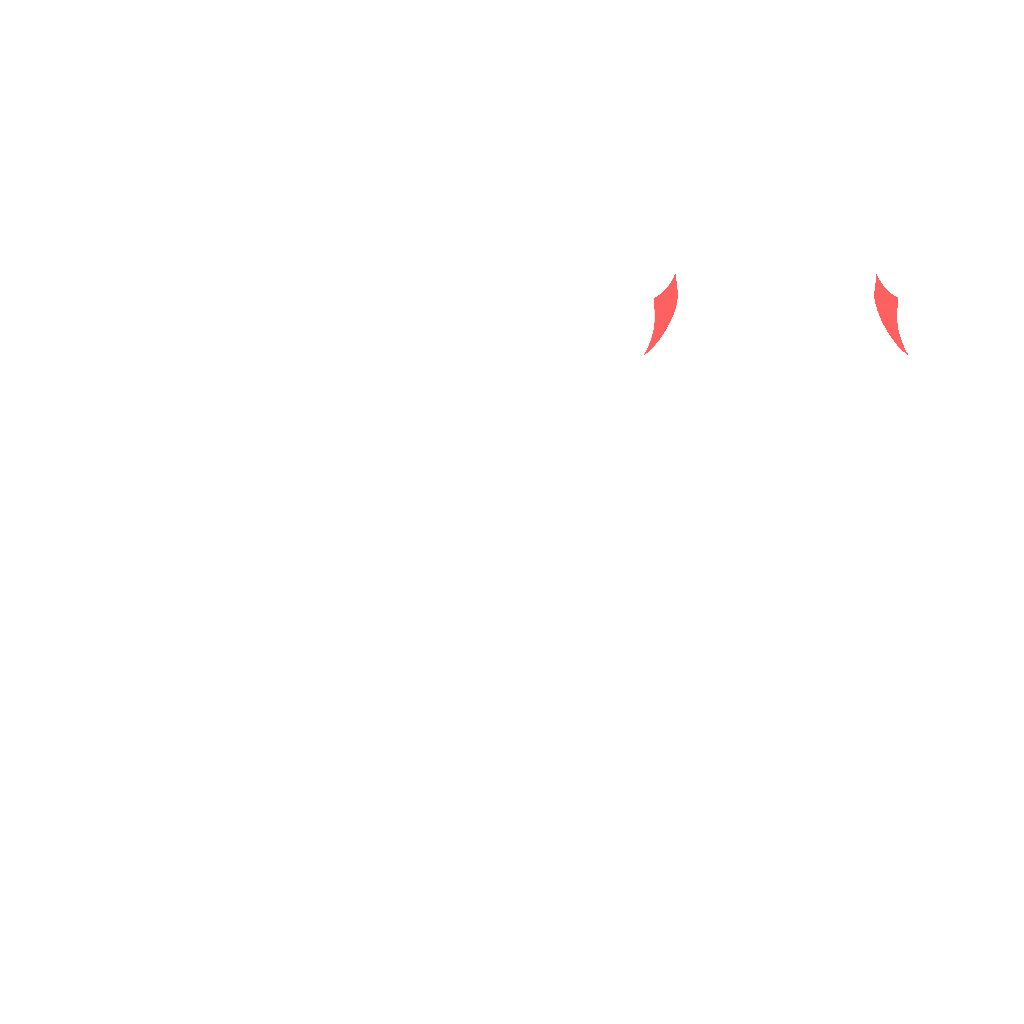
- Deltoid Anterior, Trapezius Lower, Lower Rectus Abdominals, Upper Rectus Abdominals, Rectus Femoris
- Tertiary
- Pectoralis Major Sternocostal, Abdominal External Oblique, Extensors, Brachioradialis
How to do it
- 1
Warm the wrists, then sit cross-legged and place the palms flat on the mat just beside the hips.
- 2
Spread the fingers, straighten the arms, and press the shoulders down away from the ears.
- 3
Draw the knees in toward the chest and hollow the belly to shorten the lever.
- 4
Push the floor away firmly and lift the hips, feet, and crossed shins off the mat.
- 5
Round the upper back and hold the tuck, keeping the whole body suspended between the hands.
- 6
Lower with control and repeat, switching the cross of the legs each time.
Tips
- Press the floor down and back to depress the shoulders, this lat and lower-trap action creates the lift.
- Hug the knees tight and round the spine, the tighter the tuck the easier the float.
- Use blocks under the hands if your arms are short relative to your torso, and build with brief repeated lifts.
Variations
Common mistakes
- The elbows bend and soften under load instead of staying locked straight, collapsing the press before the hips ever clear the mat.
- Right as the feet lift, the knees drift away from the chest instead of hugging in tighter, lengthening the lever the shoulders have to fight.
- The palms walk out wider than the hips instead of staying close beside them, angling the press so it fights gravity instead of lifting straight up.
- Holding the breath through the whole lift tenses the neck and shoulders instead of leaving them free to press down.
- The spine stays flat instead of rounding through the upper back, leaving the hips heavier and harder to clear off the mat.
Frequently asked
- How many lifts of pendant pose should you do when you are new to the exercise?
- Start with 4 to 5 brief lifts of a second or two each, resting between attempts rather than trying to hold one long float. As the shoulders get stronger, extend each hold toward three to five seconds before adding more reps.
- How do I make pendant pose easier or harder?
- If lifting off the mat feels out of reach, place your palms on a pair of blocks to shorten the distance your hips need to travel. To make it harder, extend the legs partway out instead of keeping the knees fully tucked, lengthening the lever the shoulders must support.
- What does pendant pose train and who should skip it?
- It trains scapular depression, triceps lockout, and deep abdominal compression, making it the most accessible entry into the seated lift-off family and a stepping stone toward scale and rooster pose. Skip it if your wrists are sore or you have a shoulder impingement, since the entire lift presses straight down through locked, weight-bearing arms.
Related exercises
Other movements among FitRay's 2,000+ exercises that load the same target muscle — same equipment and level first.
- IntermediateTripod HeadstandBody Weight · Neck · Shoulder
- IntermediateElephant Trunk PoseBody Weight · Abs · Shoulder
- IntermediateShoulder-Pressing PoseBody Weight · Abs · Shoulder
- AdvancedCrane PoseBody Weight · Abs · Shoulder
- AdvancedCrow PoseBody Weight · Abs · Shoulder
- AdvancedCrow to Tripod HeadstandBody Weight · Abs · Shoulder