Crow Pose
Crow is the gateway arm balance: you perch the shins on the upper arms and lift the feet, balancing entirely on the hands. It asks the shoulders and triceps to hold you up while the deep abdominals round the spine and pull the hips forward over the hands. Learn it low and patient, with a cushion ahead of you, and treat forward weight shift as the real skill.
- Equipment
- Body Weight
- Type
- Balance, Yoga
- Browse by muscle
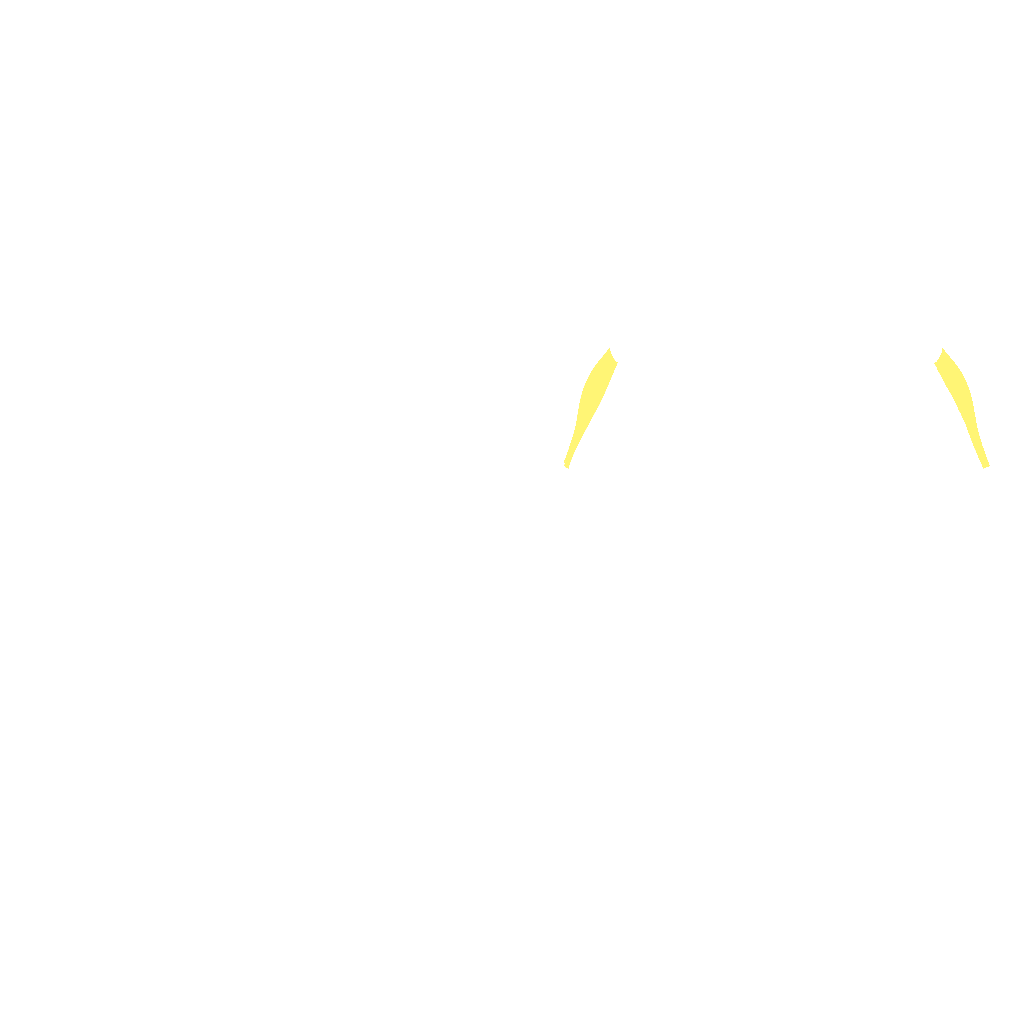
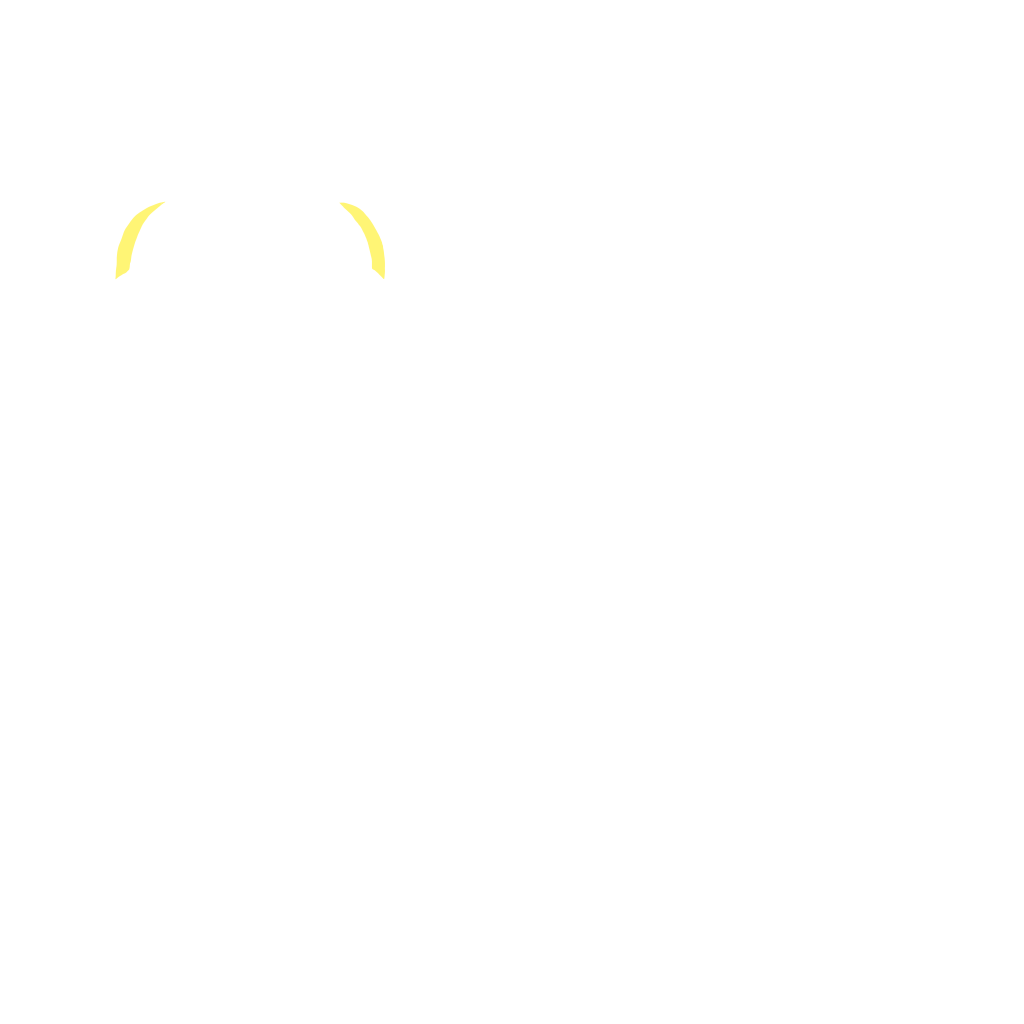
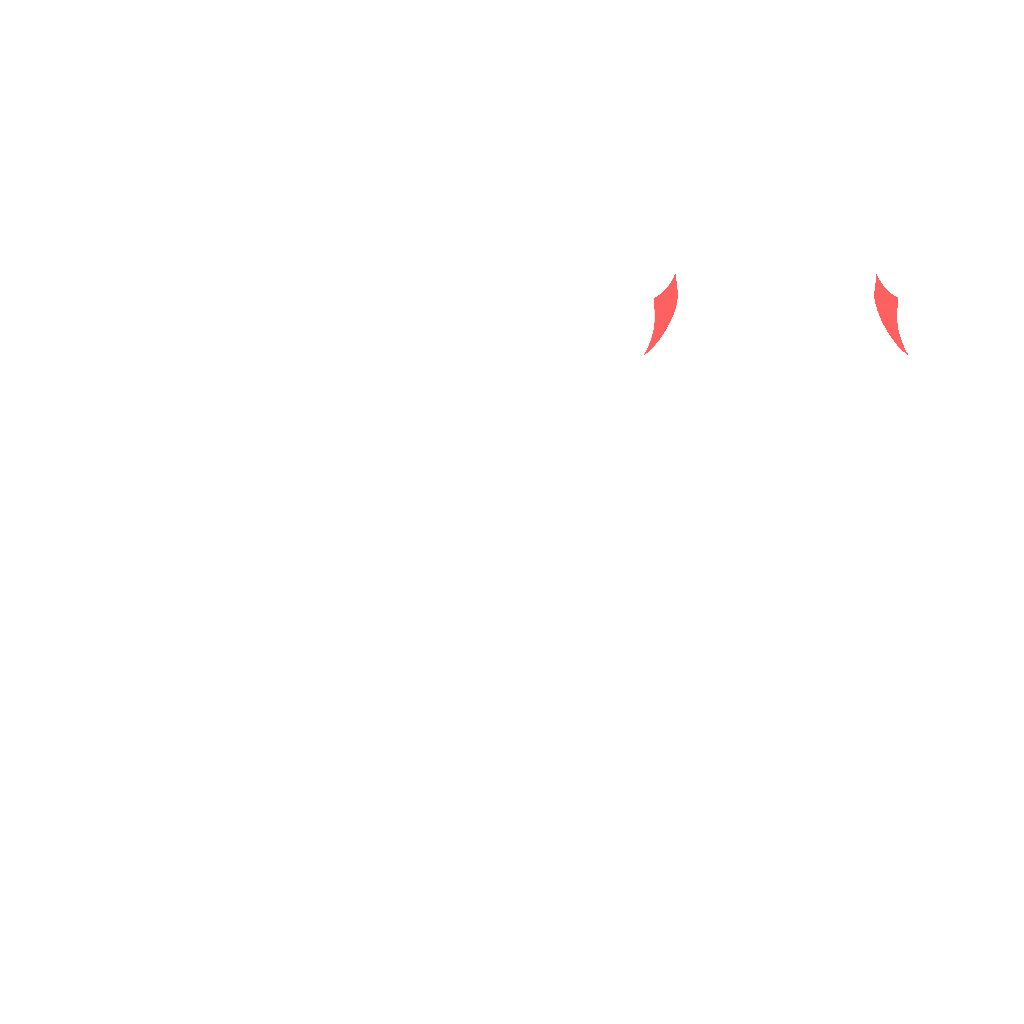
- Deltoid Anterior, Triceps Brachii Long Head, Lower Rectus Abdominals
- Browse by movement
- Core Brace










- Target
- Deltoid Anterior, Triceps Brachii Long Head, Lower Rectus Abdominals
- Secondary
- Triceps Brachii Lateral Head, Triceps Brachii Medial Head, Upper Rectus Abdominals, Abdominal External Oblique
- Tertiary
- Extensors, Brachioradialis, Deltoid Middle
How to do it
- 1
Squat down and place the palms flat on the floor about shoulder-width apart.
- 2
Spread the fingers wide and grip the floor to steady the wrists.
- 3
Bend the elbows straight back and set the knees high onto the backs of the upper arms.
- 4
Shift your weight forward onto the hands until the feet feel light.
- 5
Lift one foot, then the other, drawing the heels toward the seat and rounding the upper back.
- 6
Gaze slightly forward, hold the balance, then step the feet back down with control.
Tips
- Look forward at the floor, not straight down, so your weight travels over the hands.
- Grip the floor with the fingertips like brakes to stop tipping too far forward.
- Place a folded blanket ahead of you and stack the feet on a block to build confidence.
Variations
Common mistakes
- The elbows splay out wide instead of staying tucked back, so the knees have no stable shelf to rest on above the upper arms.
- Both feet leave the floor at once before the weight has actually shifted forward, so there is nothing but a fall waiting on the other side.
- The hips sink low instead of staying lifted and rounded, dropping the center of gravity behind the hands instead of over them.
- Holding the breath through the whole attempt instead of breathing normally adds tension right where the arms need to stay loose to balance.
- Bailing out backward the instant the balance wobbles trains the flinch instead of the small forward-weight adjustments that hold the pose.
Frequently asked
- What is a good starting dose for crow pose?
- A sensible start is 2 to 3 attempts of a 2 to 5 second liftoff, resting between tries instead of grinding out attempt after attempt. The prerequisite worth having first is comfortable weight-bearing on the wrists in a plank and a deep, comfortable squat with the heels down or supported.
- How do I make crow pose easier or harder?
- Practice the forward weight shift with the feet still on the floor, rocking onto the hands without lifting, to make it easier before attempting a liftoff. To make it harder, hold the liftoff longer, or work toward straightening the arms partway through the hold.
- What is crow pose good for, and when should you avoid it?
- It builds arm and shoulder pressing strength along with core-to-hip integration, a common gateway into other arm balances and inversions. Avoid it with any acute wrist pain or carpal tunnel symptoms, since the entire body weight sits through fully bent-back (extended) wrists for the whole hold.
Related exercises
Other movements among FitRay's 2,000+ exercises that load the same target muscle — same equipment and level first.
- AdvancedCrane PoseBody Weight · Abs · Shoulder
- AdvancedAdvanced Tuck Planche HoldBody Weight · Chest · Shoulder
- AdvancedCrow to Tripod HeadstandBody Weight · Abs · Shoulder
- AdvancedEight-Angle PoseBody Weight · Abs · Shoulder
- AdvancedFirefly PoseBody Weight · Abs · Triceps
- AdvancedFlying Crow PoseBody Weight · Abs · Shoulder