Criss-Cross Jump Rope
The criss-cross adds a coordination layer to basic skipping by crossing the forearms in front of the hips on one turn and opening them back out on the next. Timing the cross to the jump keeps the rope flowing and challenges the wrists, forearms, and shoulders far more than a straight bounce. It is a fun way to sharpen rhythm and grip endurance once the standard skip feels automatic.
- Equipment
- Jump Rope
- Type
- Cardio
- Browse by muscle
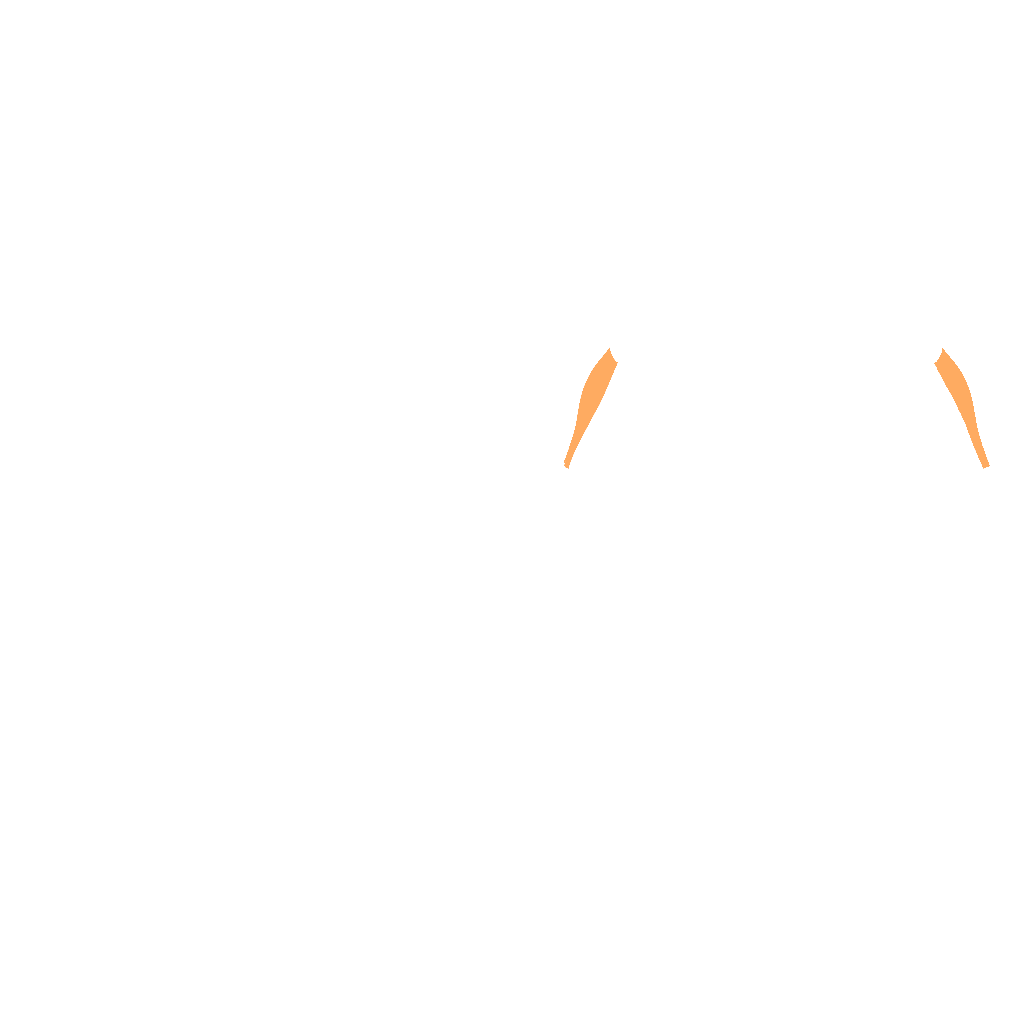
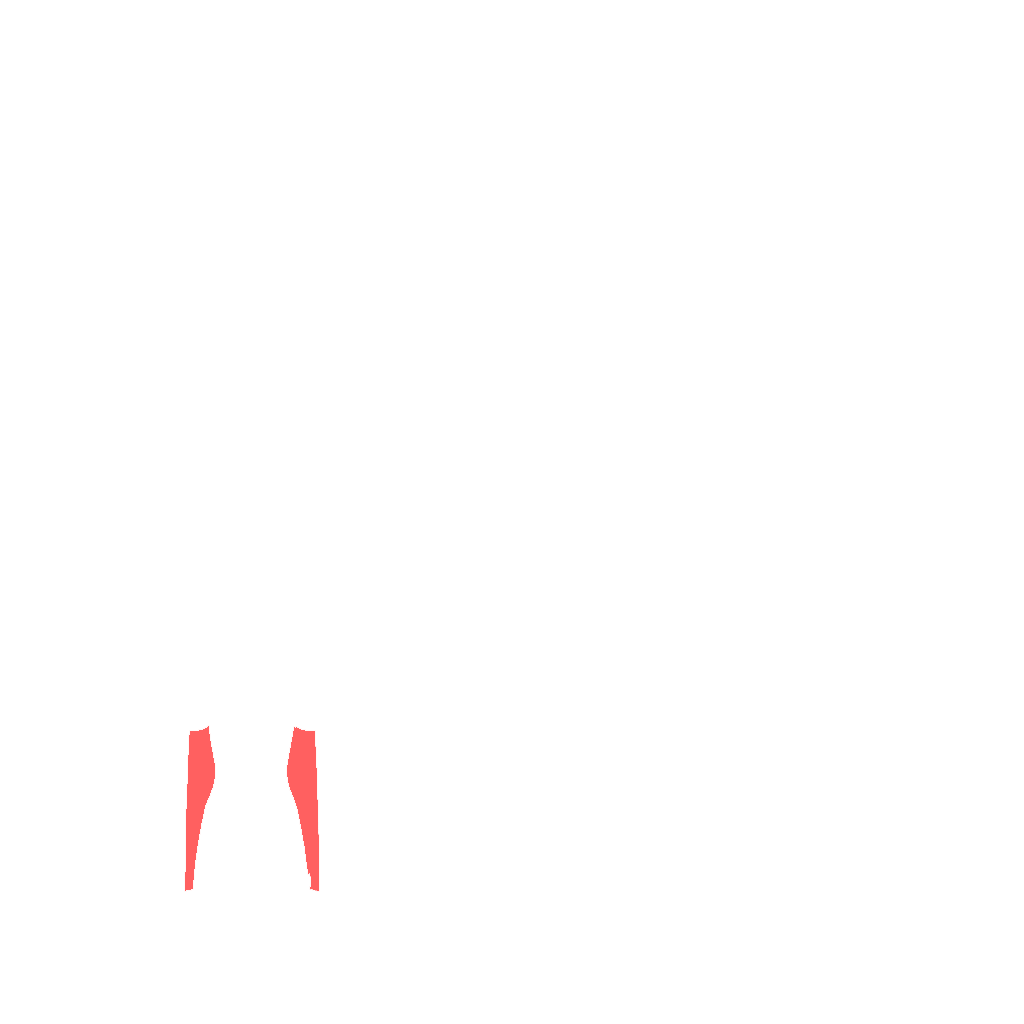
- Gastrocnemius Medial Head, Gastrocnemius Lateral Head, Soleus Gastrocnemius
- Browse by movement
- Gait Drill











- Target
- Gastrocnemius Medial Head, Gastrocnemius Lateral Head, Soleus Gastrocnemius
- Secondary
- Rectus Femoris, Vastus Lateralis, Brachioradialis, Extensors
- Tertiary
- Deltoid Anterior, Pectoralis Major Sternocostal, Tibialis Anterior
How to do it
- 1
Begin with a few standard bounces to set your tempo.
- 2
As the rope comes down in front, cross one forearm over the other at about hip height.
- 3
Jump through the crossed loop, then uncross the arms on the following turn.
- 4
Alternate open and crossed turns in a steady, unbroken rhythm.
- 5
Keep the bounce small and land quietly on the balls of the feet.
- 6
Slow the rope to a stop rather than tripping out of the pattern.
Tips
- Cross at the wrists in front of the hips, not up by the chest, to keep the loop wide enough to clear.
- Commit fully to the cross; a half-hearted cross narrows the rope and catches your feet.
- Reset with a few normal bounces whenever the timing slips instead of forcing the cross.
Variations
Common mistakes
- The cross gets attempted on every single turn from the first session, so a clean rhythm never appears. Alternate one open bounce and one cross until the timing sticks.
- A rope sized for plain skipping is often too short to cross with, because crossing shortens the working loop. Add a few inches of cable or hold the handles further apart.
- The arms uncross while the rope is still under your feet, which drags the cable into your ankles. Hold the cross until the rope has passed and open on the way up.
- The jump gets higher on every crossed rep as insurance, and the extra air changes the timing you were trying to learn in the first place.
- One arm crosses over and the other stays where it was, so the loop comes out lopsided with one handle sitting higher. Both forearms have to travel.
Frequently asked
- How many criss-crosses should you aim for when you are new to the exercise?
- Count crosses rather than minutes: 20 to 30 successful crosses in a session, taken in small sets of three to five with normal bounces in between. A useful early pattern is four open bounces then one cross, repeated until you miss. Once a cross on every second turn feels reliable, string them together and see how many consecutive crossed passes you can hold. Ten minutes of this a few times a week is enough, since it is a skill and skills improve on frequency rather than volume.
- What can I do instead of the criss-cross if I have no rope?
- There is no real substitute, because the whole skill is timing a cross to a moving cable. Without a rope, spend the time on the plain bounce with a borrowed or cheap one, since a smooth single-under is the prerequisite anyway. A beaded or plastic-segmented rope is easier to learn crosses with than a thin speed cable, because you can hear where it is and it holds its shape when crossed. Failing that, rehearse the arm action while bouncing lightly so the crossing pattern becomes automatic before a rope is involved.
- What is the criss-cross good for, and when is it not worth the trouble?
- It is a coordination and rhythm drill first: crossing on time sharpens the wrists and hands, adds grip and forearm endurance, and keeps long rope sessions from getting dull. Boxers use it for exactly that. It is not worth the trouble if the session's goal is conditioning, because every miss stops the round and your heart rate with it, and it adds nothing to strength or speed. Learn the plain bounce first; a cross layered on a shaky rhythm just means more misses and more time untangling the rope.
Related exercises
Other movements among FitRay's 2,000+ exercises that load the same target muscle — same equipment and level first.