Double-Under
The double-under is the graduate-level jump-rope skill, spinning the rope around twice for every jump and turning a warm-up tool into a savage conditioning piece. It leans heavily on stiff, reactive calves and quick wrists, so it builds ankle springiness and coordination at the same time as your engine. Program it in short, crisp sets or as timed intervals once single-unders feel effortless.
- Equipment
- Jump Rope
- Type
- Cardio, Plyometric
- Browse by muscle
- Gastrocnemius Medial Head, Gastrocnemius Lateral Head, Soleus Gastrocnemius
- Browse by movement
- Gait Drill




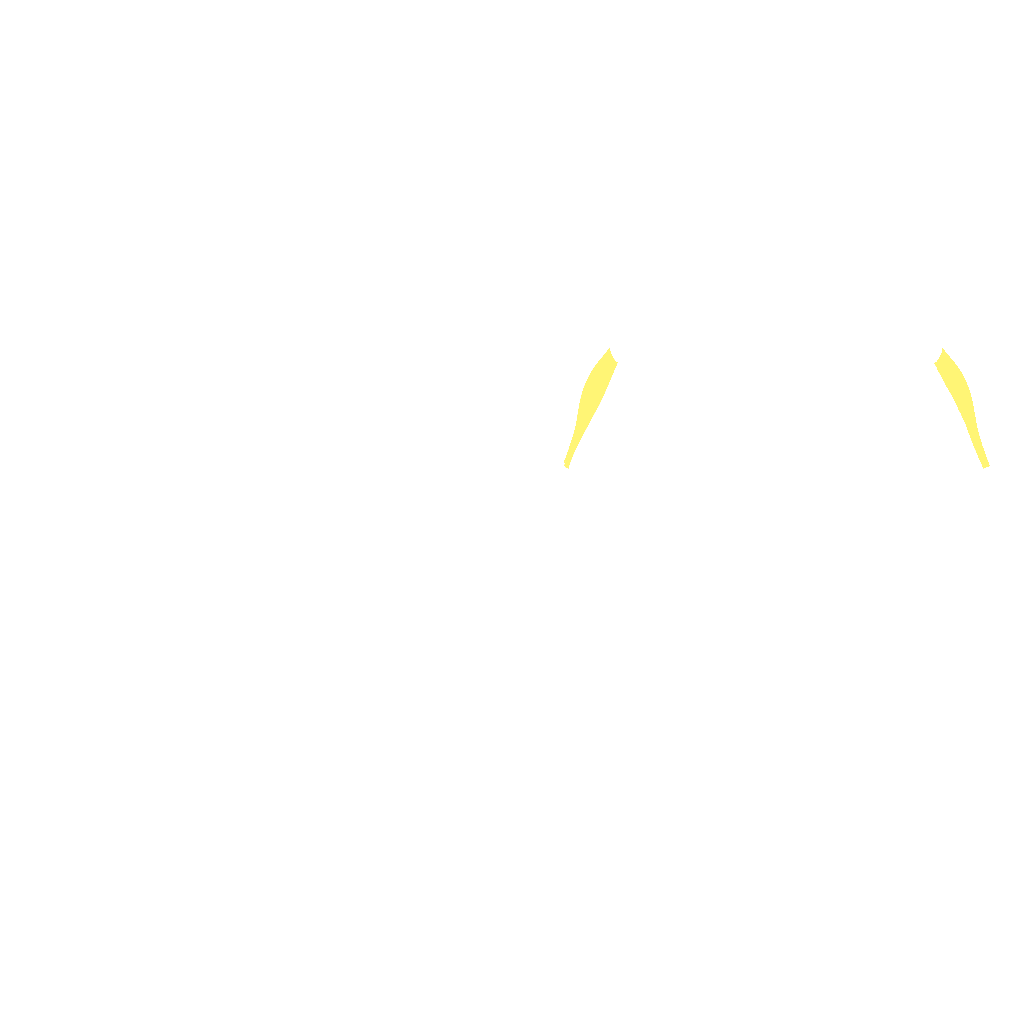








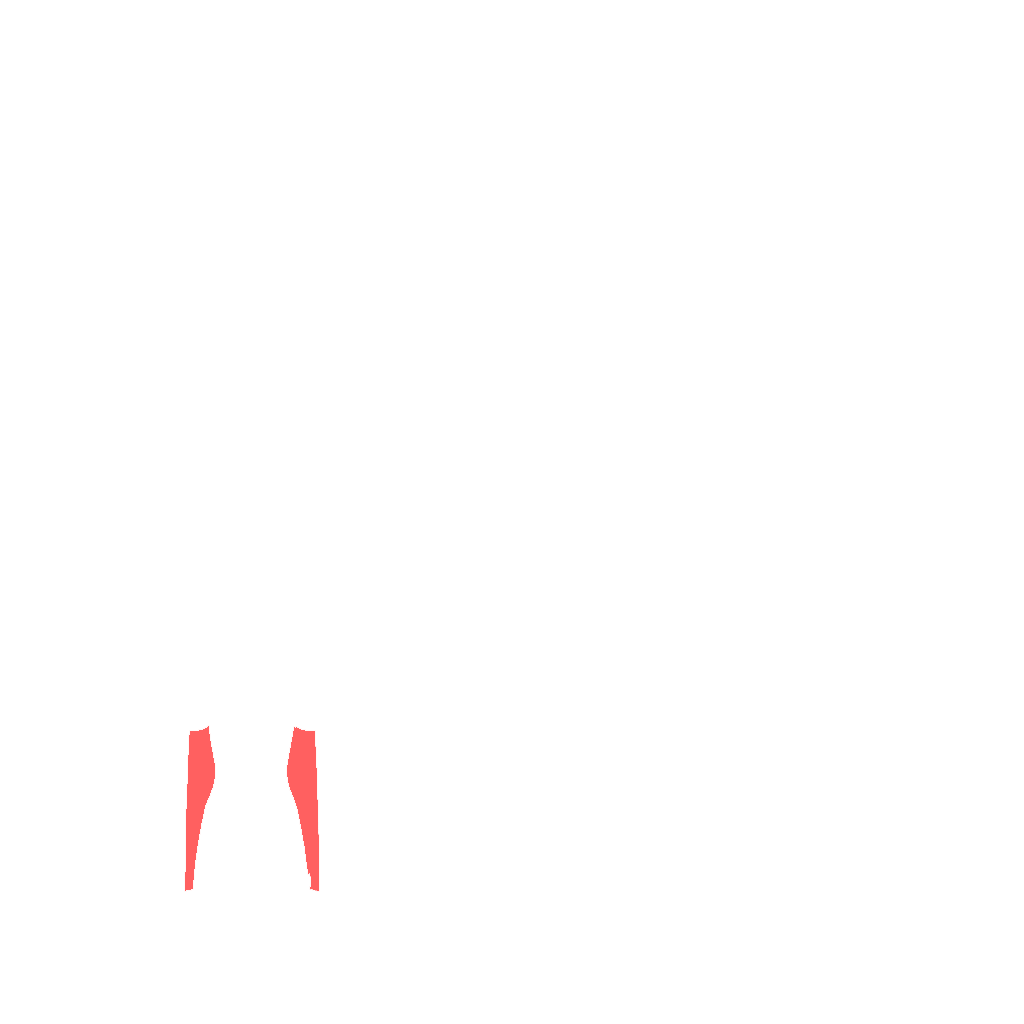
- Target
- Gastrocnemius Medial Head, Gastrocnemius Lateral Head, Soleus Gastrocnemius
- Secondary
- Rectus Femoris, Vastus Lateralis, Tibialis Anterior, Fibularis Longus
- Tertiary
- Brachioradialis, Extensors, Deltoid Anterior, Deltoid Middle
How to do it
- 1
Size the rope so the handles reach roughly to your armpits when you stand on the middle of the cable, and hold the handles close to your hips.
- 2
Start with a few single bounces to find a steady rhythm.
- 3
Jump slightly higher than normal while keeping the body tall and stiff.
- 4
Flick the wrists faster to whip the rope under your feet twice before you land.
- 5
Land softly on the balls of the feet and immediately reload for the next jump.
- 6
Stop the set before form breaks rather than grinding out sloppy misses.
Tips
- Speed comes from the wrists, not from swinging the arms wider or higher.
- Keep the jump compact and vertical; piking the knees up to buy time only wrecks your rhythm.
- Practice in short bursts of five to ten clean reps so the timing stays sharp before you string long sets.
Variations
Common mistakes
- Rope length is the first thing to check and the last thing anyone adjusts. Stand on the middle of the cable and the handles should reach roughly to your armpits; shorter clips your feet, longer drags and slows.
- The shins take every miss, and after twenty whips the set becomes about flinching rather than timing. Long socks are not a luxury here.
- Sets get chased to 50 unbroken before 10 are clean, so most of the session is spent untangling a rope instead of skipping it.
- The knees stay soft for the first jumps and stiffen as fatigue arrives, and stiff-legged landings at this contact rate are what leave the calves and Achilles sore the next day.
- Both feet drift apart in the air, so one clears the cable and the other catches it. Keep the feet together with the toes pointed slightly down.
Frequently asked
- How many double-unders should I do in a session?
- Work in small sets: five to ten clean reps, ten to fifteen times through, accumulating 50 to 100 in a session. The prerequisite is a smooth single-under, roughly 100 unbroken at a steady tempo with quiet arms and a low bounce; without that, this is a rope-tangling exercise. Once ten clean reps come easily, chain them into sets of 20 or work in 30-second windows counting your best unbroken run. Two or three short sessions a week beat one long one, because the skill fades faster than the fitness does.
- What can I do instead of double-unders if I have no rope?
- Nothing reproduces the timing without a rope, so split the demand instead: fast pogo hops train the stiff, quick bounce, and small wrist circles holding light dumbbells train the flick. For the conditioning side, 30 seconds of fast hops in place or a short shuttle run lifts the heart rate the same way. If the problem is the rope you own rather than having one at all, a slightly heavier cable is easier to feel through a turn and a much better place to learn the timing than a thin speed rope.
- What are double-unders good for, and when are they a bad idea?
- They are a conditioning tool with a coordination tax: the heart rate climbs quickly, the calves and Achilles get a lot of fast elastic work, and the rope punishes any drift in your timing. They suit conditioned athletes who already skip well. They are a bad idea with sore shins, calves or an irritable Achilles, since a set is dozens of stiff-ankle landings, and a poor pick inside a long workout for time, where fatigue turns them into a string of misses. A low ceiling is a real limit too, because the rope needs clearance above your head.
Related exercises
Other movements among FitRay's 2,000+ exercises that load the same target muscle — same equipment and level first.