Bell Jump Rope
The bell reverses the skier's plane: you keep the feet together and hop forward and back over an imagined line with each rope turn, like a clapper swinging in a bell. It trains front-to-back ankle control and calf endurance while adding variety to rope conditioning. It pairs naturally with the skier to work both the lateral and the sagittal bounce.
- Equipment
- Jump Rope
- Body part
- Calves
- Type
- Cardio
- Browse by muscle
- Gastrocnemius Lateral Head, Gastrocnemius Medial Head, Soleus Gastrocnemius
- Browse by movement
- Gait Drill






- Target
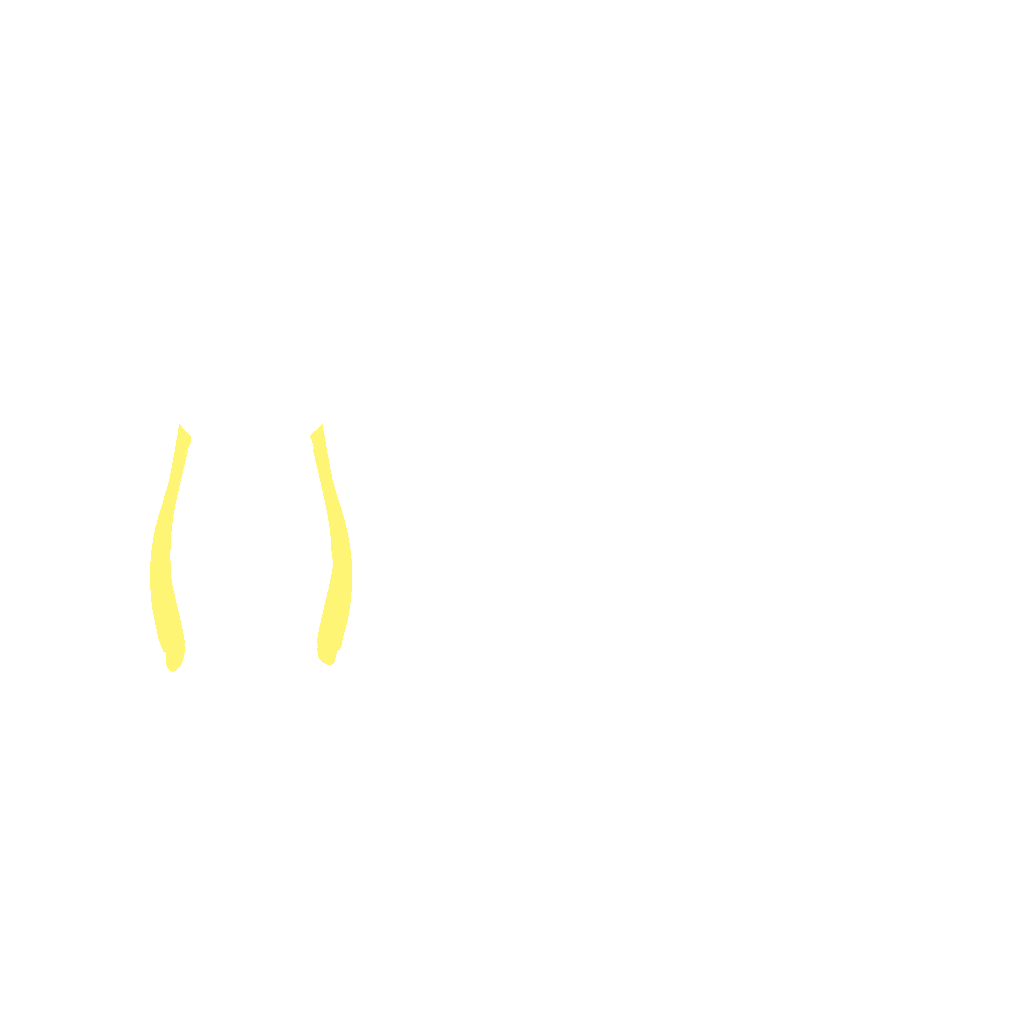
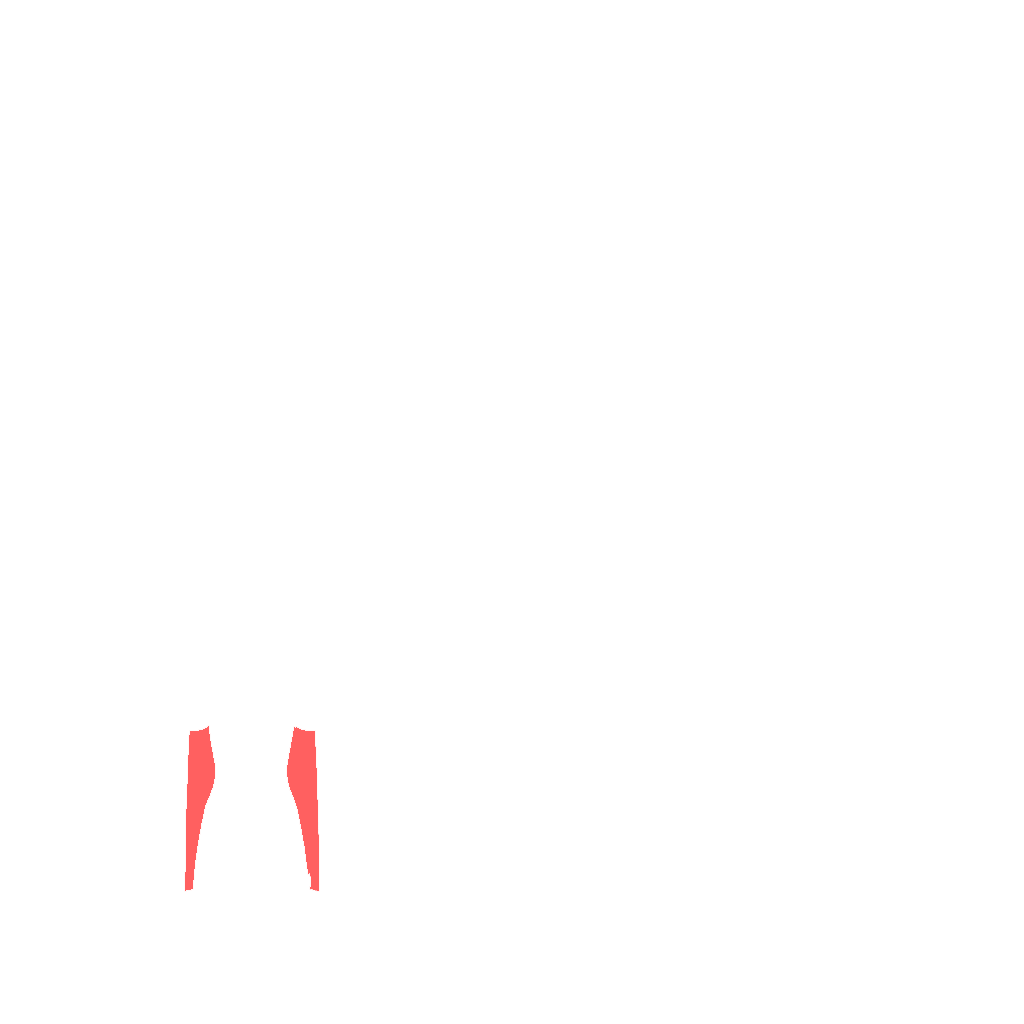
- Gastrocnemius Lateral Head, Gastrocnemius Medial Head, Soleus Gastrocnemius
- Secondary
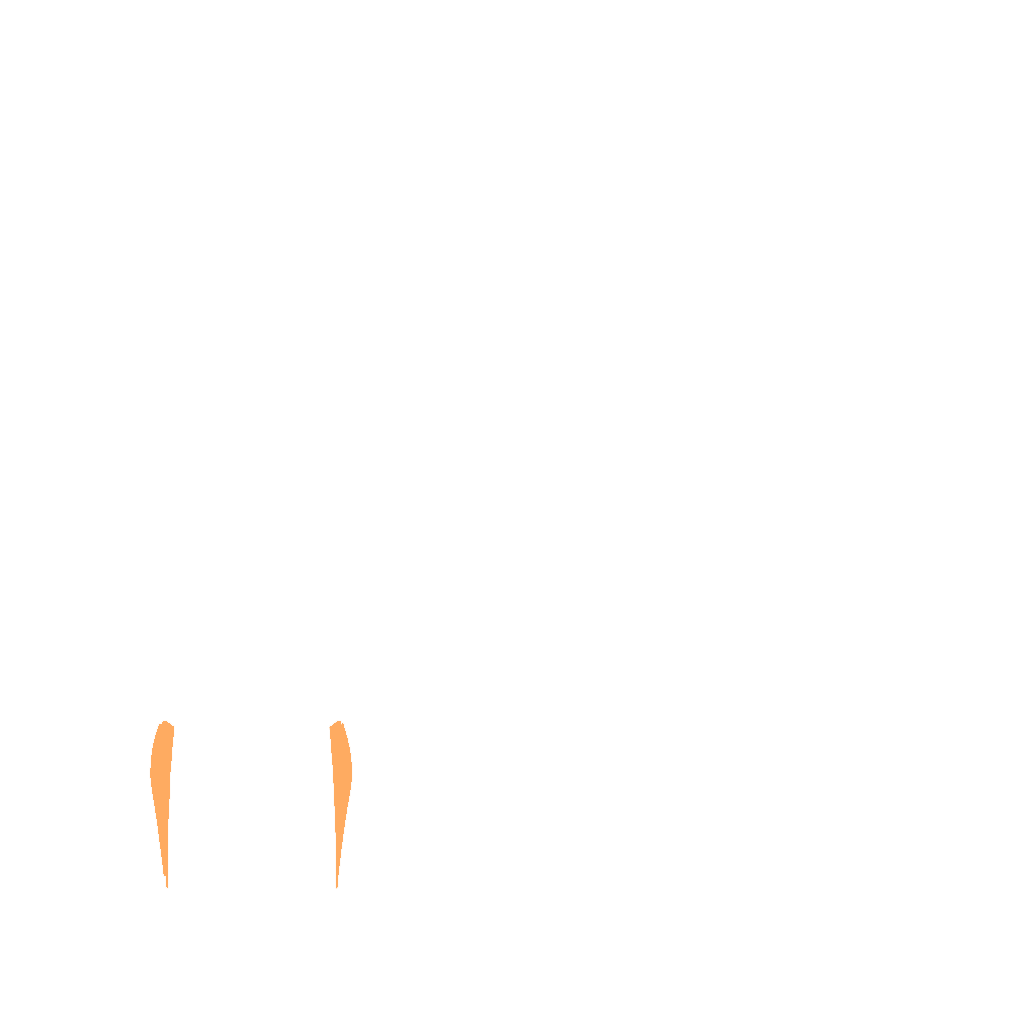
- Tibialis Anterior, Fibularis Longus, Rectus Femoris
- Tertiary
- Abdominal External Oblique, Vastus Lateralis
How to do it
- 1
Begin with the rope behind you, feet together, wrists ready near the hips.
- 2
Spin the rope and hop both feet a few inches forward as it passes underneath.
- 3
On the next turn, hop both feet back to the starting side of the line.
- 4
Keep bouncing forward and backward over the imagined line in an even rhythm.
- 5
Land lightly on the balls of both feet with a soft knee.
- 6
Keep the torso tall and let the wrists drive the rope.
Tips
- Keep the forward and back hops short and controlled.
- Stay springy through the ankles and avoid heavy heel landings.
- Hold a steady cadence rather than chasing speed early on.
- Combine with the skier for a full front-back and side-side footwork set.
Variations
Common mistakes
- The back hop ends up smaller than the forward one, so you creep up the room pass after pass; mark a line and put the same few inches either side of it.
- Weight settles onto the heels on the backward hop, which is the direction that lands hardest, and a heel landing has nothing left to spring you forward again.
- The torso folds forward and back with the feet, chest dipping going forward and leaning away on the return, when only the feet should be crossing the line.
- The rope catches more often going forward than back, because the feet travel toward the cable as it comes under; hop forward once it has passed the shins, not as it arrives.
- Every other pass gets taken on the spot, so the pattern becomes forward, in place, back, and half the rope turns never cross the line at all.
Frequently asked
- How long should a beginner do the bell jump rope?
- Alternate it with plain skipping: 30 seconds of bell, 30 seconds of basic bounce, six times through, which gives you three minutes of the pattern without your calves taking it all at once. When the rhythm holds, build the bell intervals to 45 or 60 seconds. If you prefer counting, 20 unbroken forward-and-back passes is a solid first target. Pair it with the skier in the same session so the feet get both the front-to-back and the side-to-side version.
- What can I do instead of the bell jump rope if I have no rope?
- Mark a line with tape, a folded towel or a chalk stripe, and hop forward and back across it with the feet together at a steady cadence, turning imaginary handles with the wrists so the timing stays honest. Pogo hops forward and back over the line give the same calf work with a stronger push. If you have a rope but not much ceiling height, move outside rather than flattening the hops, because a cramped jump makes the pattern heavy.
- What is the bell jump rope good for, and when should I choose something else?
- It trains front-to-back ankle control and calf endurance, which is the plane runners spend all their time in, and it gives a rope session variety without new equipment. It is a poor choice if the basic bounce still trips you, since stopping every fourth pass ruins both the rhythm and the conditioning. Choose something else for power or strength, which need jumps and load. Ease off with a sore Achilles or an aching arch, because the landings are small, fast and repetitive.
Related exercises
Other movements among FitRay's 2,000+ exercises that load the same target muscle — same equipment and level first.
- BeginnerBoxer SkipJump Rope · Calves · Quads
- BeginnerJump Rope Calf BounceJump Rope · Calves
- BeginnerSkier Jump RopeJump Rope · Calves · Glutes
- IntermediateCriss-Cross Jump RopeJump Rope · Calves · Forearms
- AdvancedDouble-UnderJump Rope · Calves · Quads
- IntermediateHigh-Knee Jump RopeJump Rope · Calves · Quads