Crunch
The crunch is the entry point to direct ab training and still earns a place in advanced programs. By flexing only the upper spine and keeping the low back grounded, it loads the rectus abdominis without dragging the hip flexors into the movement. Use it for high-rep burnout work or as a warm-up before heavier core loading.
- Equipment
- Body Weight
- Body part
- Abs
- Type
- Strength
- Browse by muscle
- Upper Rectus Abdominals
- Browse by movement
- Spinal Flexion



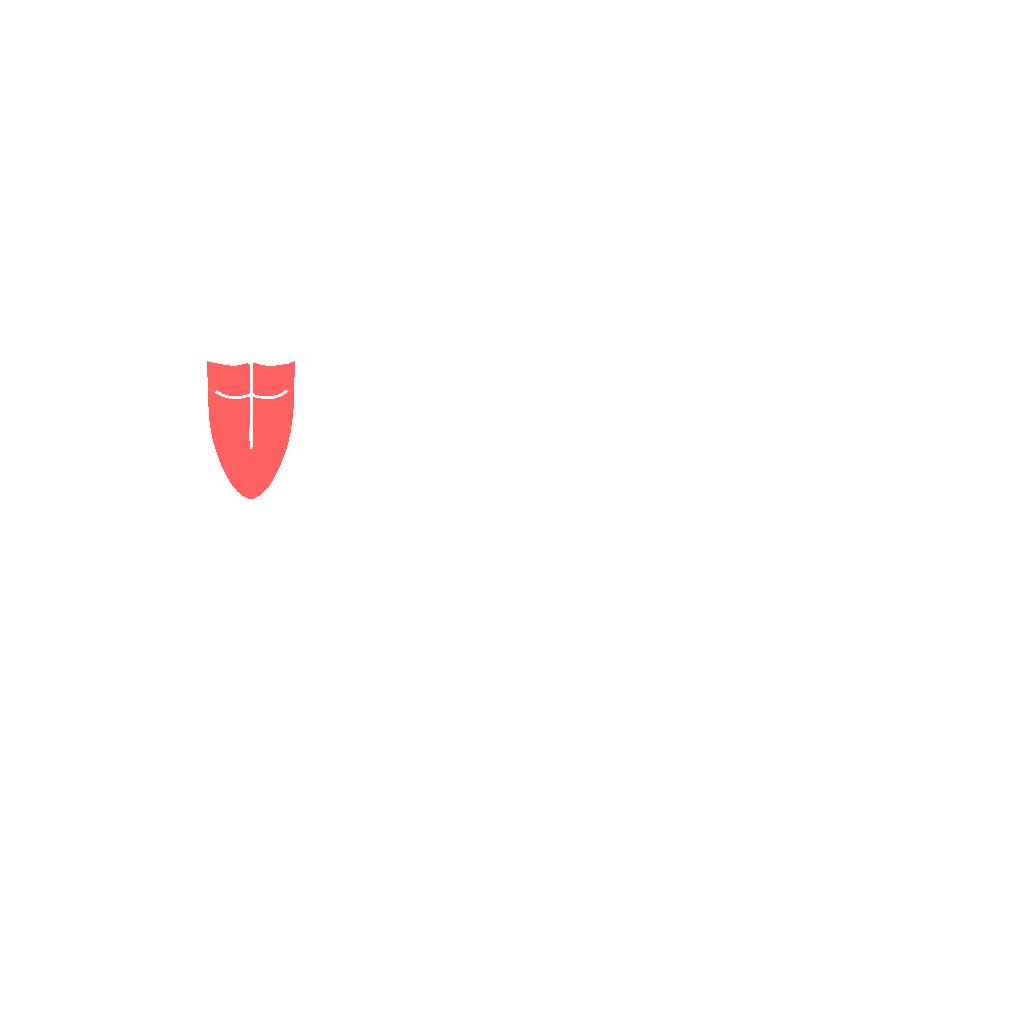
- Target
- Upper Rectus Abdominals
- Tertiary
- Abdominal External Oblique
How to do it
- 1
Lie on your back with knees bent and feet flat on the floor.
- 2
Rest your hands lightly behind your ears or crossed on your chest.
- 3
Exhale and curl your shoulder blades off the floor by shortening the distance between your ribs and hips.
- 4
Pause briefly at the top with the abs fully squeezed.
- 5
Inhale and lower under control until your shoulder blades touch down.
- 6
Repeat without letting your head yank forward.
Tips
- Think about pulling your ribs toward your pelvis, not lifting your head.
- Keep a gap the size of a fist between chin and chest to protect your neck.
- Slow the lowering phase to double the time your abs stay under tension.
Variations
Common mistakes
- Lacing the fingers behind your head and hauling on it drags the neck forward and takes the abs out of the rep; rest the hands lightly behind the ears or cross them on your chest.
- Coming all the way up into a sit-up brings the hip flexors in and lifts the lower back off the floor; only the shoulder blades need to clear the ground.
- Hooking your feet under a couch or having someone hold them lets the hip flexors pull you up; leave the feet loose and flat on the floor.
- Bouncing the shoulder blades off the floor into the next rep uses rebound instead of the abs; touch down lightly and pause before you curl again.
- Holding your breath through the set works against the movement, since the abs shorten as you breathe out; exhale on the way up, inhale on the way down.
Frequently asked
- How many crunches should a beginner do?
- Aim for three sets of 15 to 20 reps with a one-second squeeze at the top, two or three days a week. When that feels easy, slow the lowering to three seconds before you chase a higher number. Past about 30 reps you are training endurance rather than the muscle, so hold a plate or a dumbbell across your chest instead, starting around 5 kg (10 lb).
- How do I make crunches easier or harder?
- To make them easier, cross the arms over your chest instead of putting the hands behind your ears, and curl up only as far as you can without pulling on your neck. To make them harder, hold a weight plate on your chest, stretch your arms overhead, put your feet up on a bench or a chair, use a decline bench, or slow every rep to a three-second lift and a three-second lower.
- What is the crunch good for and who should do something else?
- It trains the rectus abdominis directly through spinal flexion, keeps the hip flexors mostly out of the way, and works well for high-rep finishing sets or as a warm-up before heavier core work. It will not flatten your midsection by itself, since that comes down to overall body fat, and it does nothing for anti-extension bracing and little for the obliques' twisting and side-bending work, which is what planks, carries, and side work are for. If curling your spine on the floor bothers your lower back or neck, use dead bugs or planks instead.
Related exercises
Other movements among FitRay's 2,000+ exercises that load the same target muscle — same equipment and level first.