Dive-Bomber Push-Up
The dive-bomber starts in a downward-dog pike, swoops the chest down and forward through a scooping arc close to the ground, then presses up into an upward-dog before reversing the whole path back to the pike. Unlike the Hindu push-up, which flows straight back to the start, the dive-bomber retraces its arc, adding a demanding reverse-scoop that loads the shoulders and chest through a huge range. It builds pressing strength and shoulder mobility together.
- Equipment
- Body Weight
- Type
- Strength
- Browse by muscle
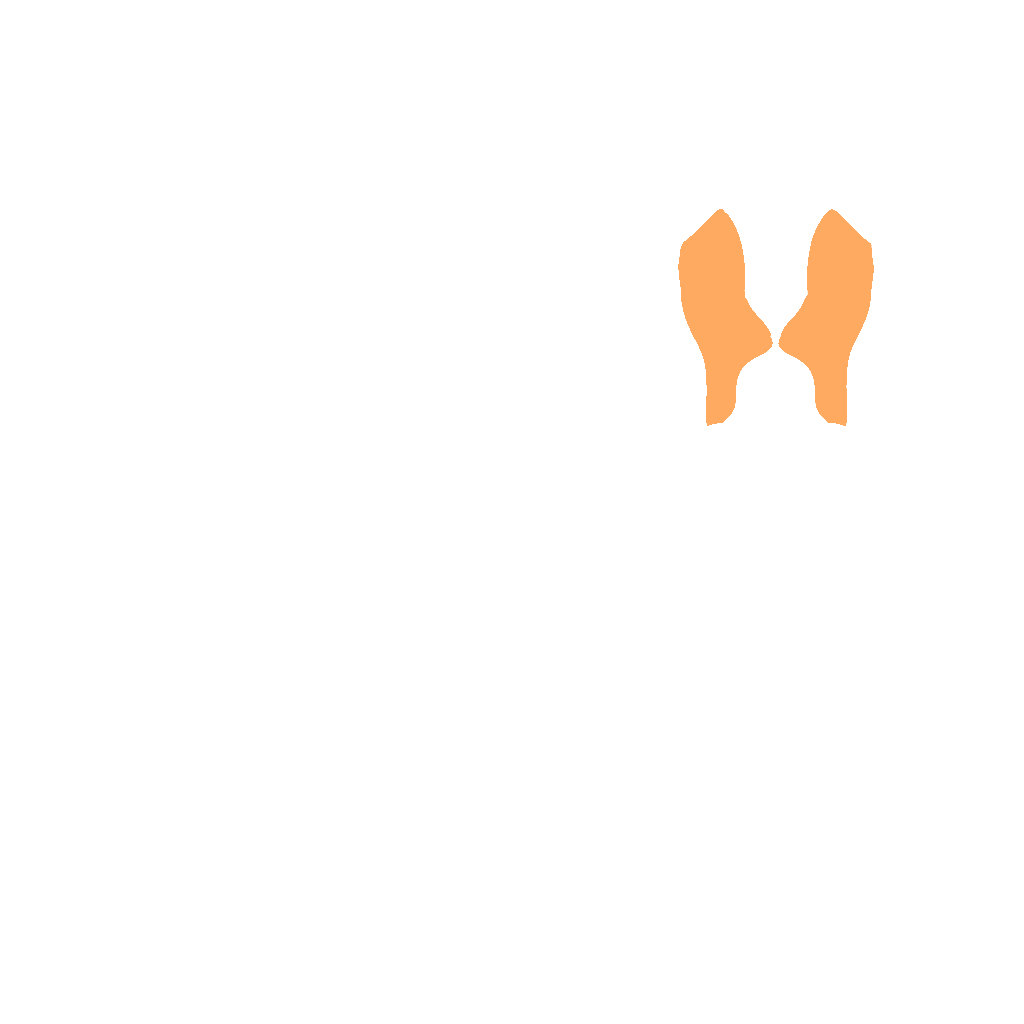
- Pectoralis Major Sternocostal, Deltoid Anterior, Triceps Brachii Long Head
- Browse by movement
- Horizontal Press









- Target
- Pectoralis Major Sternocostal, Deltoid Anterior, Triceps Brachii Long Head
- Secondary
- Pectoralis Major Clavicular, Triceps Brachii Lateral Head, Latissimus Dorsi
- Tertiary
- Erector Spinae, Trapezius Lower
How to do it
- 1
Start in a pike with hips high, hands and feet planted, and the body in an inverted V.
- 2
Bend the elbows and dive the chest down and forward, skimming close to the floor.
- 3
Continue forward until the hips sink and the chest rises into an upward-dog position.
- 4
Pause briefly with the arms extended and the chest open.
- 5
Reverse the exact path, scooping the chest back down and pushing the hips up to the pike.
- 6
Move smoothly and breathe out on each pressing phase.
Tips
- Keep the elbows tucked during the scoop to spare the shoulders.
- Retrace the arc on the way back rather than piking straight up; that reverse is the point.
- Push the hips high and heels down at the top to reset a strong pike each rep.
Variations
Common mistakes
- The return pikes straight up from the upward-dog position, which is the Hindu push-up and skips the reverse scoop that makes this version what it is.
- Hips drop to the floor before the chest travels forward, so the swoop becomes a flop and the arms never carry the low part of the arc.
- Pace climbs on a long set and the arc flattens into a shallow rock, so the chest never skims close enough to the ground to be loaded.
- Elbows fan out to the sides through the scoop, which puts the shoulder at its widest angle at the lowest point of the movement.
- The neck cranes back at the top to push the chest higher, loading the small joints of the neck rather than opening through the mid-back.
- Heels are forced flat in the pike before the calves and hamstrings allow it, so the low back rounds and each rep starts from a compromised shape.
Frequently asked
- How many dive-bomber push-ups should you do when you are new to the exercise?
- Three sets of 5 to 8 slow reps is enough to begin with, even for someone who does 20 standard push-ups, because the range is far longer and the shoulders are loaded at the bottom of it. Rest 90 seconds and keep every rep smooth rather than rushed. Progress by adding reps to 10 or 12, then by pausing for a beat in the upward-dog position, and only then by raising the feet to load the shoulders more.
- How do I make the dive-bomber push-up easier or harder?
- To make it easier, set the hands on a bench or low step so the dive is shallower, bend the knees in the pike to take the hamstrings out of the setup, or shorten the arc and stop before the chest reaches the floor. To make it harder, elevate the feet, slow each direction to three seconds, pause two seconds at the lowest point of the scoop, or add a weighted vest. Doing the reverse scoop alone, from upward dog back to the pike, is a useful way to train the half most people skip.
- What is the dive-bomber push-up good for, and when is it a poor choice?
- It builds pressing strength through a much longer range than a standard push-up and opens the shoulders and thoracic spine at the same time, which makes it useful as a single exercise when you are short on time or equipment. Martial artists and wrestlers have used it for decades for that reason. It is a poor choice if your shoulders are already irritable, because the bottom of the scoop puts them at full range under load, and it is not the pick for measurable chest strength, where a loaded press is easier to track.
Related exercises
Other movements among FitRay's 2,000+ exercises that load the same target muscle — same equipment and level first.