Hindu Push-Up
Starting in an inverted-V pike, you sweep your chest down and forward close to the floor, then push up into a cobra-like arch before reversing back to the pike. That arcing path takes the chest, front delts, and triceps through a long, continuous range while adding mobility through the shoulders and spine. It builds pressing endurance and shoulder health, and it is a staple of bodyweight and martial-arts conditioning.
- Equipment
- Body Weight
- Type
- Strength
- Browse by muscle
- Pectoralis Major Sternocostal
- Browse by movement
- Horizontal Press, Vertical Press



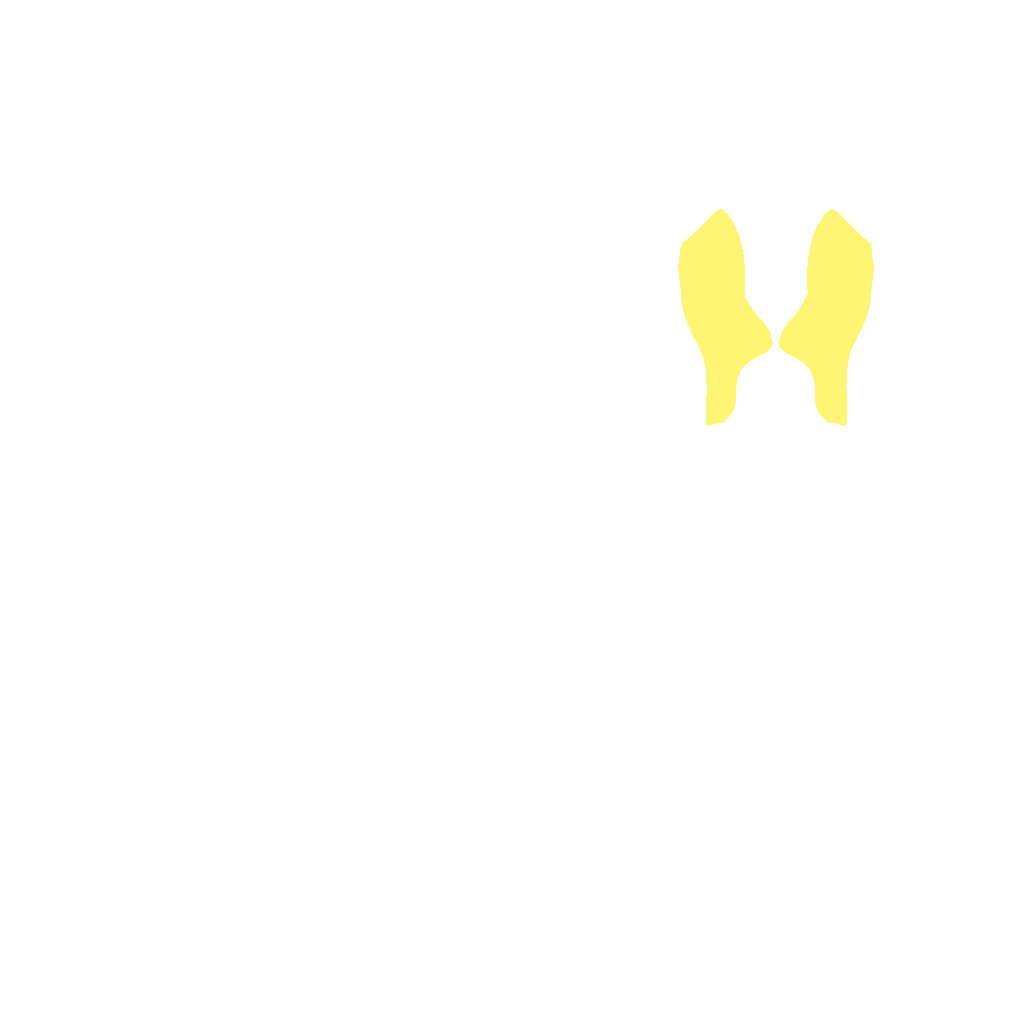





- Target
- Pectoralis Major Sternocostal
- Secondary
- Deltoid Anterior, Triceps Brachii Long Head, Triceps Brachii Lateral Head, Triceps Brachii Medial Head
- Tertiary
- Pectoralis Major Clavicular, Latissimus Dorsi
How to do it
- 1
Begin in a downward-dog pike with hips high, hands and feet planted wider than shoulders.
- 2
Bend your elbows and swoop your chest down and forward, skimming close to the floor.
- 3
Continue the arc by straightening your arms and lifting your chest and head into an upward stretch.
- 4
Reverse the motion by pushing your hips back up and over to return to the pike.
- 5
Move continuously and breathe out as you rise into the extended top position.
Tips
- Keep the movement fluid and rounded rather than stopping in segments; the swoop is the whole point.
- Do not crank your low back at the top; lift into a gentle, comfortable arch led by the chest.
- Widen your hands and feet for a smoother path and more shoulder room.
Variations
Common mistakes
- The hips drop toward the floor first and the chest follows, which is a plain cobra rather than a swoop, and the arms never carry the low part of the arc.
- Chasing speed on a long set flattens the swoop into a shallow rock through the shoulders, and the chest never skims low enough to be trained.
- The return runs back along the same low path instead of pushing the hips up and over, which doubles the shoulder work and skips the pike the movement is built on.
- Heels get forced flat in the pike before the hamstrings allow it, so the low back rounds to make up the difference and the start position is already compromised.
- The neck cranes back at the top so the head leads the arch, which loads the small joints of the neck rather than opening the chest.
Frequently asked
- How many hindu push-ups should you do when you are new to the exercise?
- Start with three sets of 5 to 8 slow, continuous reps and treat the first set as mobility rather than work. The shoulders and low back are usually sore after a first session, so leave two days between attempts at the start. Once 10 reps flow without stopping, stretch the set to 15 or 20 and use it as conditioning.
- How do you make the hindu push-up easier or harder?
- Widen the hands and feet, bend the knees in the pike, and keep the top arch shallow while the shoulders adapt; hands on a low bench cuts the load further. To make it harder, narrow the stance, pause two seconds in the low swoop, or run longer continuous sets, which turns it into a conditioning piece rather than a strength one.
- What is the hindu push-up good for, and when is it a bad idea?
- It builds pressing endurance and moves the shoulders and spine through a long range in one motion, which is why wrestlers and martial artists use it as daily conditioning. It is a poor choice for maximum chest strength, since the load stays at bodyweight and the range is spread thin. Avoid it if extending your low back is painful, or keep the top arch very small.
Related exercises
Other movements among FitRay's 2,000+ exercises that load the same target muscle — same equipment and level first.
- IntermediateBurpeeBody Weight · Chest · Quads
- IntermediateDeficit Push-UpBody Weight · Chest
- IntermediateDive-Bomber Push-UpBody Weight · Chest · Shoulder
- IntermediateHollow-Body Push-UpBody Weight · Abs · Chest
- IntermediateSpiderman Push-UpBody Weight · Chest
- IntermediateStaggered-Hand Push-UpBody Weight · Chest