Down Dog to Cobra Flow
This flow pairs two classic shapes so the body cycles between a full posterior-chain stretch and an open, extended front line. Downward dog lengthens the hamstrings and calves and decompresses the spine, while cobra reverses it to extend the back and open the chest. It is an excellent low-intensity primer for full-body sessions or a movement snack between desk hours.
- Equipment
- Body Weight
- Type
- Functional, Stretching, Yoga
- Browse by muscle
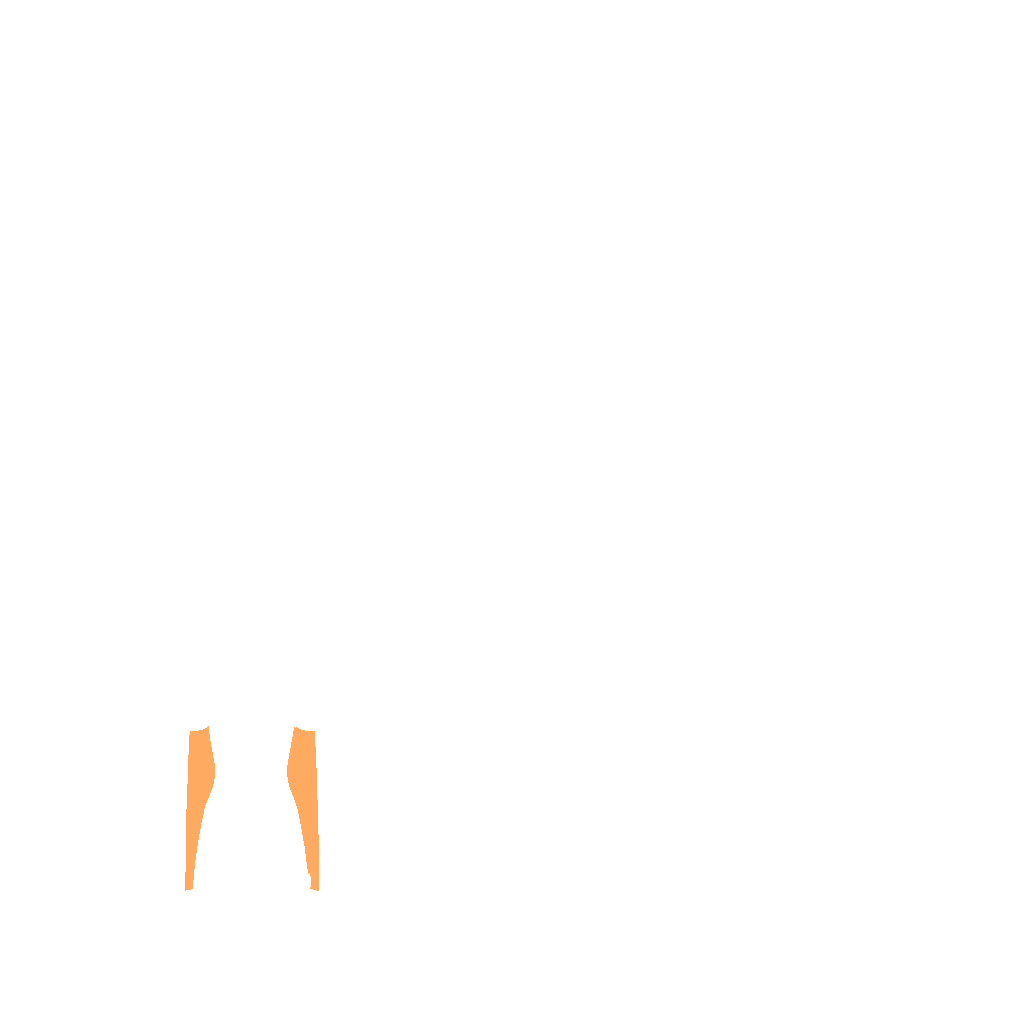
- Biceps Femoris, Gastrocnemius Medial Head, Erector Spinae










- Target
- Biceps Femoris, Gastrocnemius Medial Head, Erector Spinae
- Secondary
- Semitendinosus, Gastrocnemius Lateral Head, Soleus Gastrocnemius, Latissimus Dorsi
- Tertiary
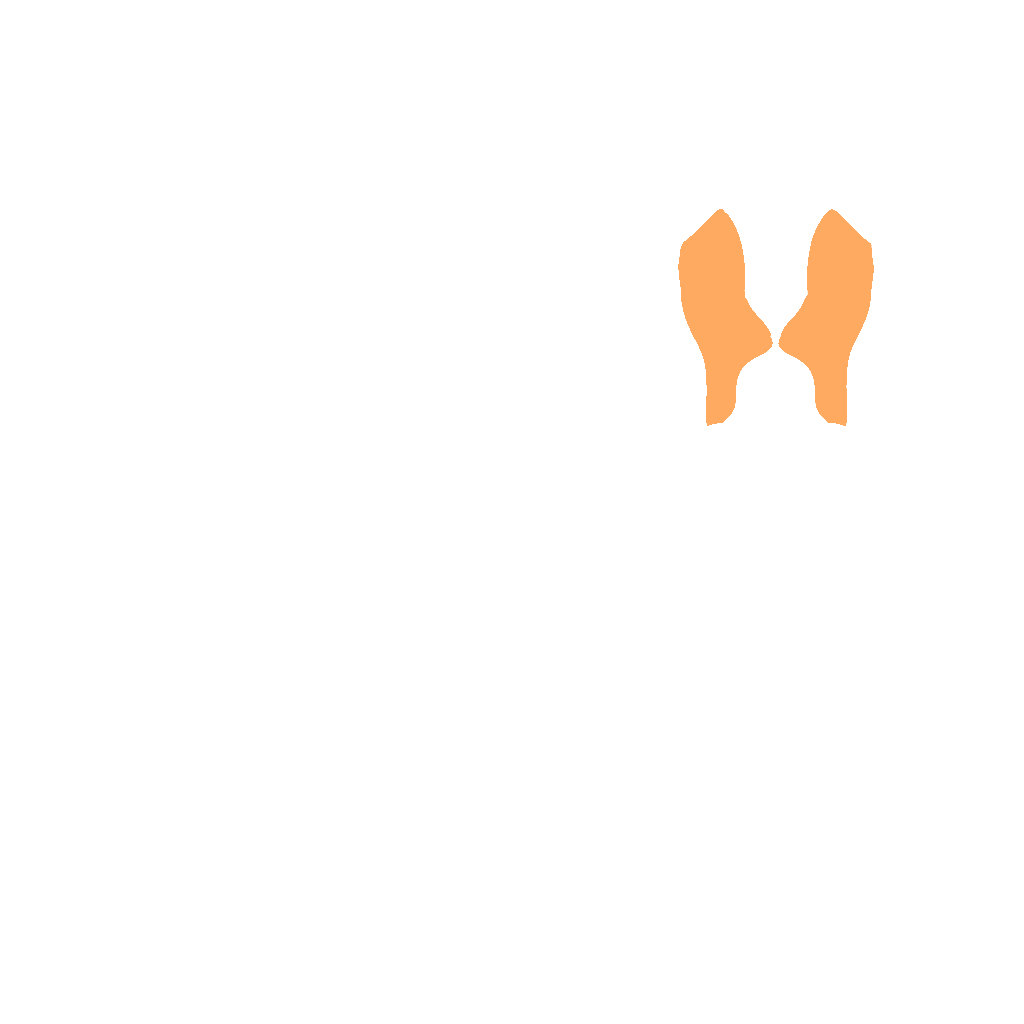
- Pectoralis Major Sternocostal, Deltoid Anterior, Upper Rectus Abdominals
How to do it
- 1
Start on hands and knees, then lift the hips up and back into an inverted-V downward dog.
- 2
Press the chest toward the thighs and reach the heels toward the floor to stretch the hamstrings and calves.
- 3
Shift forward into a plank, then lower the hips toward the floor.
- 4
Straighten the arms and lift the chest into cobra, drawing the shoulders down and back.
- 5
Press the hips back up to return to downward dog and repeat the cycle.
- 6
Move with your breath, inhaling into cobra and exhaling into the dog.
Tips
- Bend the knees slightly in downward dog if the hamstrings limit a flat back.
- In cobra, keep the shoulders away from the ears and the neck long.
- Press the floor away with the hands to protect the low back in extension.
- Flow smoothly rather than forcing either end range.
Variations
Common mistakes
- The hips drop toward the floor on the way into cobra by collapsing rather than lowering, and the low back takes the landing; bend the elbows and lower under control from the plank.
- The hands creep forward over several rounds, so the dog gets shorter and the cobra starts further from the hips; reset them under the shoulders each time you pass through plank.
- The cycle speeds up until it becomes a bounce between two half-positions; count two or three breaths in each shape so both ends actually arrive.
- The breath runs opposite to the shapes, exhaling up into cobra and inhaling back into the dog, so the ribs fight the movement the whole way.
- Wrists are usually what end this flow rather than the hamstrings or the back; come down to the knees for a few rounds, or make fists, if the joint starts to ache.
Frequently asked
- How many rounds of the down dog to cobra flow should a beginner do?
- Five to eight cycles, holding two or three breaths in each shape, either as an opener before a full-body session or as a break from a long spell at a desk. Progress by adding breaths to each shape rather than rounds to the set, since the point is range rather than repetitions. If the hamstrings or the wrists are what stop you, that is worth noticing: both have their own easier versions below.
- How do you make the down dog to cobra flow easier or harder?
- Easier: keep the knees well bent in the dog, drop the knees to the floor on the way through plank, and come up onto the forearms in a sphinx position instead of a full cobra, which takes the wrists out of the back half. Harder: straighten the legs and press the heels down in the dog, hold each shape for five breaths, or add a slow push-up as you pass through plank. Move between the shapes rather than forcing either end.
- What is the down dog to cobra flow good for?
- It takes the spine through flexion and extension while stretching the hamstrings and calves at one end and the abdomen and chest at the other, which makes it a low-intensity opener for a full-body session or a reset between desk hours. It is a poor choice if your wrists hurt under load, since the dog puts weight through them; a forearm version is kinder. Stop the cobra half and get advice if bending backward sends pain down a leg, and do not expect any strength gain from it.
Related exercises
Other movements among FitRay's 2,000+ exercises that load the same target muscle — same equipment and level first.