Elbow Strike Drill
Elbow strikes are short close-range weapons thrown with a bent arm, powered almost entirely by hip and trunk rotation. The delts and chest swing the arm across while the obliques and glutes supply torque, so drilling them conditions the same rotational chain as hooks with an even shorter lever. They are a signature Muay Thai tool for the clinch and pocket.
- Equipment
- Body Weight
- Type
- Cardio, Functional
- Browse by muscle
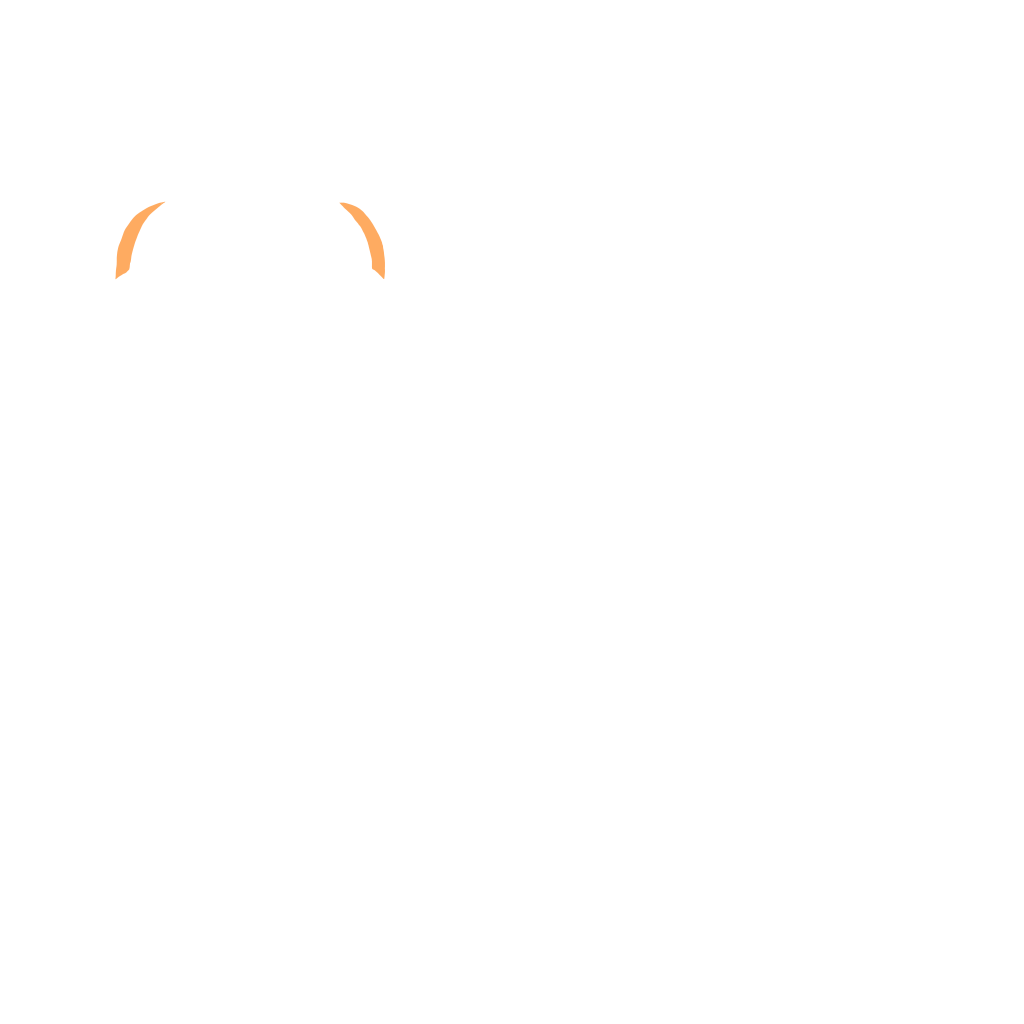
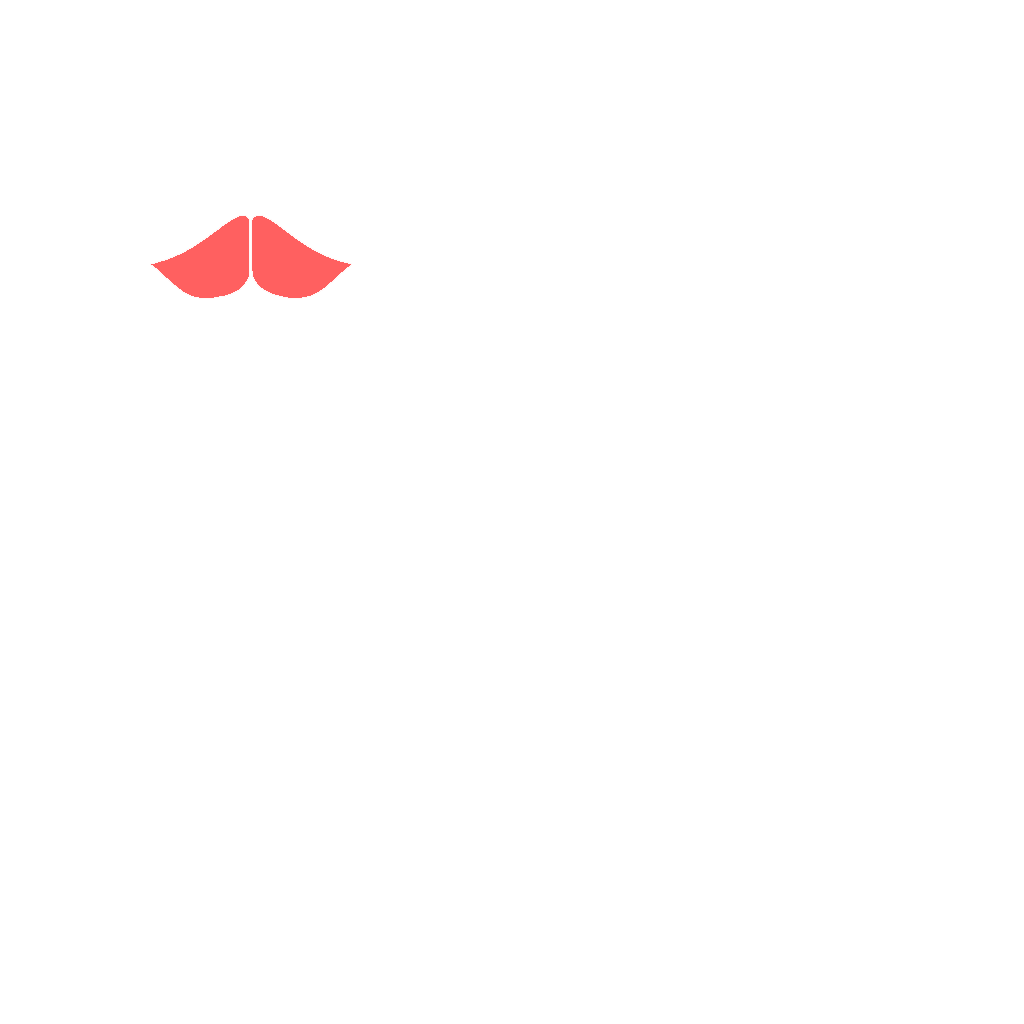
- Deltoid Anterior, Pectoralis Major Sternocostal, Abdominal External Oblique
- Browse by movement
- Rotation








- Target
- Deltoid Anterior, Pectoralis Major Sternocostal, Abdominal External Oblique
- Secondary
- Deltoid Middle, Trapezius Upper, Gluteus Maximus
- Tertiary
- Pectoralis Major Clavicular
How to do it
- 1
Set a fighting stance with hands high and elbows tucked.
- 2
Keep the striking arm bent tight with the fist near your own head.
- 3
Pivot the same-side foot and rotate the hips and torso.
- 4
Swing the point of the elbow horizontally or diagonally across the target.
- 5
Turn the shoulder through and return the arm to guard.
- 6
Alternate elbows and angles in timed rounds, exhaling on each strike.
Tips
- Strike with the point of the elbow and keep the arm folded tight.
- Drive the power from the hip turn, not by reaching with the arm.
- Keep the off hand high since elbow range is close and exposed.
Variations
Common mistakes
- Distance is the whole problem with elbows: thrown from punching range the forearm lands and the point never arrives, so step in until your own head is close enough to touch the target.
- The folded arm opens out toward a punch as it travels, and what lands is the flat of the forearm with the shoulder overreaching behind it.
- The same-side foot stays flat while the shoulders swing, so the strike is arm-only and your weight ends up on the outer edge of that foot.
- Every elbow gets thrown on the same horizontal line for a whole round, which leaves the upward and downward angles, the ones a clinch actually gives you, undrilled.
- Full-power elbows go into a heavy bag from the first session, and there is very little padding over the point of the elbow; keep bag contact light until the joint is used to it.
Frequently asked
- How many elbow strikes should you drill when you are new to the exercise, and how often?
- Two-minute rounds suit this better than counting: three rounds, alternating sides and angles, throwing roughly one strike every two seconds so each starts from a real guard. That comes to around 60 strikes a round, which is plenty. Two sessions a week alongside your other striking work is enough. Spend at least one round each session at half speed checking that the fist stays by your own temple, because at full speed the arm opens without you noticing.
- How do I practise elbow strikes at home, and how do I make them harder?
- Air work in front of a mirror is the whole drill and needs nothing: mark a spot at your own head height and step in to reach it. Easier still is throwing from a static stance with no pivot while you learn the shape. To make it harder, add a step in and out so each elbow comes from a moving stance, chain two or three angles together, or work a round with light hand weights held tight to your temples. Pads held by a partner are the real progression, since elbows need a target that tells you whether the point landed.
- Are elbow strike drills useful for general fitness, and who should skip them?
- They train the same rotational chain as hooks with a much shorter lever, which makes them a sharp trunk and shoulder drill and a legitimate close-range skill for Muay Thai and self-defence classes, and rounds of them are decent shoulder conditioning. They build almost no strength. Skip hard contact if a shoulder or elbow joint is painful, and remember that elbows cut in a real exchange, so pad and bag contact in a gym should stay controlled rather than maximal.
Related exercises
Other movements among FitRay's 2,000+ exercises that load the same target muscle — same equipment and level first.
- IntermediateBicycle CrunchBody Weight · Abs
- IntermediateRussian TwistBody Weight · Medicine Ball · Abs
- IntermediateSide KickthroughBody Weight · Abs · Shoulder
- IntermediateApe ReachBody Weight · Quads · Shoulder
- IntermediateBarre Seated Oblique CurlBody Weight · Abs
- IntermediateBeast to CrabBody Weight · Abs · Shoulder