Elliptical Intervals
Elliptical intervals use the machine's smooth, no-impact stride and moving handles to condition the legs and, lightly, the upper body. Alternating resistance or cadence spikes the heart rate while sparing the joints, making it excellent for beginners or those managing impact. It builds an aerobic base and works well on recovery days. Push and pull the handles to make it a fuller-body effort.
- Equipment
- Machine
- Type
- Cardio
- Browse by muscle
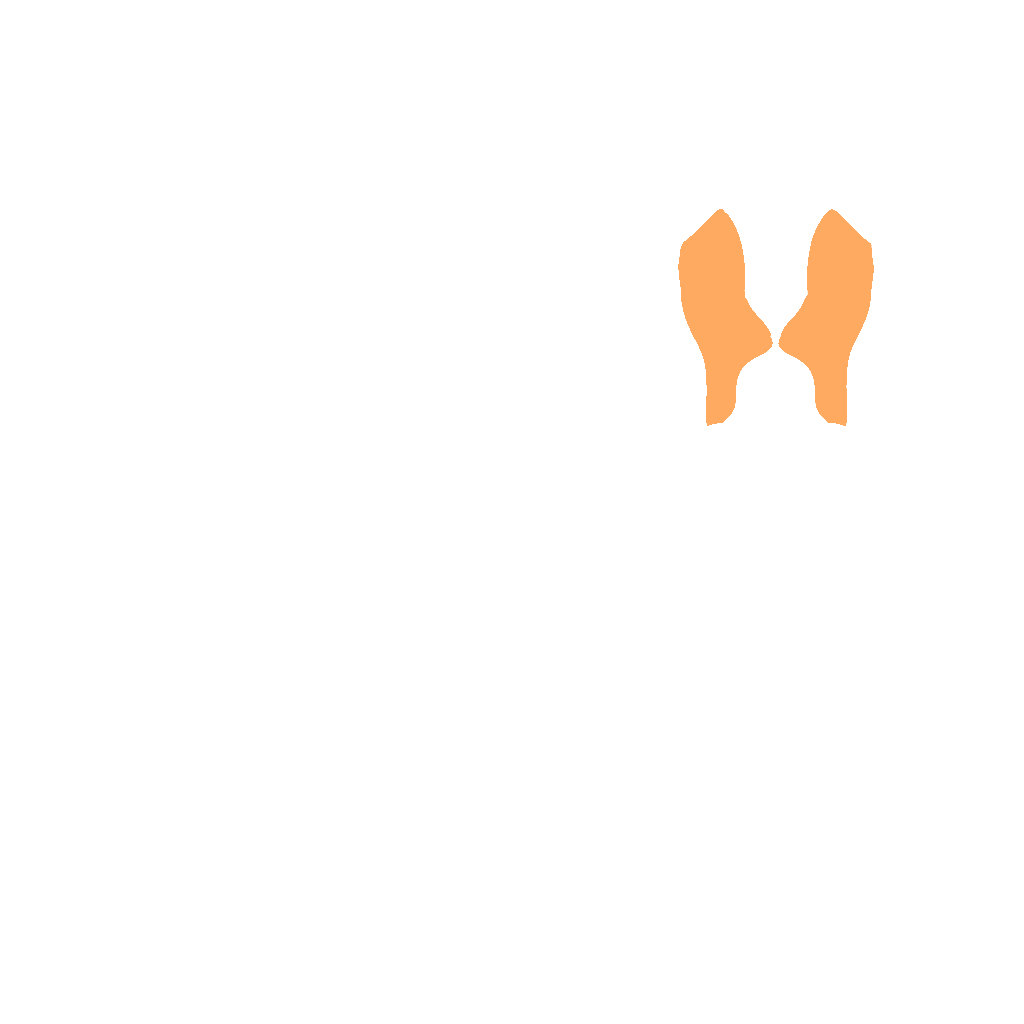
- Rectus Femoris, Vastus Lateralis, Gluteus Maximus










- Target
- Rectus Femoris, Vastus Lateralis, Gluteus Maximus
- Secondary
- Biceps Femoris, Semitendinosus, Gastrocnemius Medial Head, Latissimus Dorsi
- Tertiary
- Deltoid Posterior, Triceps Brachii Long Head
How to do it
- 1
Step onto the pedals, grip the moving handles, and begin a smooth stride.
- 2
Choose an interval scheme, for example one minute hard then one minute easy.
- 3
For the hard bout, raise the resistance or cadence until breathing quickens.
- 4
Drive through the whole foot and push-pull the handles in time with your legs.
- 5
Reduce resistance or slow down for the easy recovery portion.
- 6
Repeat for 15 to 25 minutes and finish with a few easy strides to cool down.
Tips
- Stand tall and avoid hanging your weight on the handles.
- Keep the stride fluid and full rather than short and choppy.
- Engage the arms actively so the session trains more than just the legs.
Variations
Common mistakes
- Resistance goes up for the hard minute while the stride rate drops to match, so the effort never actually rises; raise resistance and hold the cadence, or raise cadence and leave resistance alone.
- Both resistance and incline get changed at the start of the hard bout, which is two variables and no way to know what made it hard; change one and leave the other for next session.
- The machine's preset programs get left in charge, and a hill program will spike the resistance in the middle of your recovery minute; set it to manual so the intervals are yours.
- Hands push and pull the handles during the hard minute only, so the upper body contributes for half the session and coasts through the rest.
- A first session goes straight to minute-long hard bouts, and the opening three minutes teach you nothing except that the number was too high; start at 30 seconds hard against a full minute easy.
Frequently asked
- How long should a beginner do elliptical intervals?
- Twelve to fifteen minutes of work, built as eight rounds of 30 seconds hard against a minute easy, with three easy minutes at either end, two or three times a week. Move to equal work and rest once all eight rounds feel the same, then grow the session toward 20 or 25 minutes and the one-minute pattern in the steps. Raise resistance rather than stride rate as you progress, since a very fast stride tends to shorten and go choppy before it gets harder.
- What can I do instead of elliptical intervals without an elliptical?
- A stationary bike run on the same clock is the nearest low-impact match, with resistance as the dial. A treadmill or outdoor walk that alternates a brisk three minutes with an easy two gives a gentler version with a little impact. A rowing machine brings the arms in the way the moving handles do. Indoors with no machine, alternating 30 seconds of fast step-ups onto a low box with a minute of marching in place keeps the impact low and the structure intact.
- What are elliptical intervals good for?
- They give you a hard cardio session with essentially no impact, which makes them a sensible first interval format for beginners, for heavier trainees, and for anyone easing back from a lower-body injury, and the moving handles let the upper body share the work. They are a poor choice if you want bone-loading impact, since the feet never leave the pedals, and a poor choice as sport preparation for runners, because the fixed stride path teaches the legs nothing about landing.
Related exercises
Other movements among FitRay's 2,000+ exercises that load the same target muscle — same equipment and level first.