Foam Roll Serratus and Ribs
The serratus wraps the ribs and anchors the shoulder blade to the trunk; when it binds up, overhead pressing and reaching feel restricted. This side-lying release addresses that lateral rib wall. Great as a primer before pressing, pull-ups, or any overhead sport.
- Equipment
- Foam Roller
- Type
- Recovery, Stretching
- Browse by muscle
- Trapezius Lower


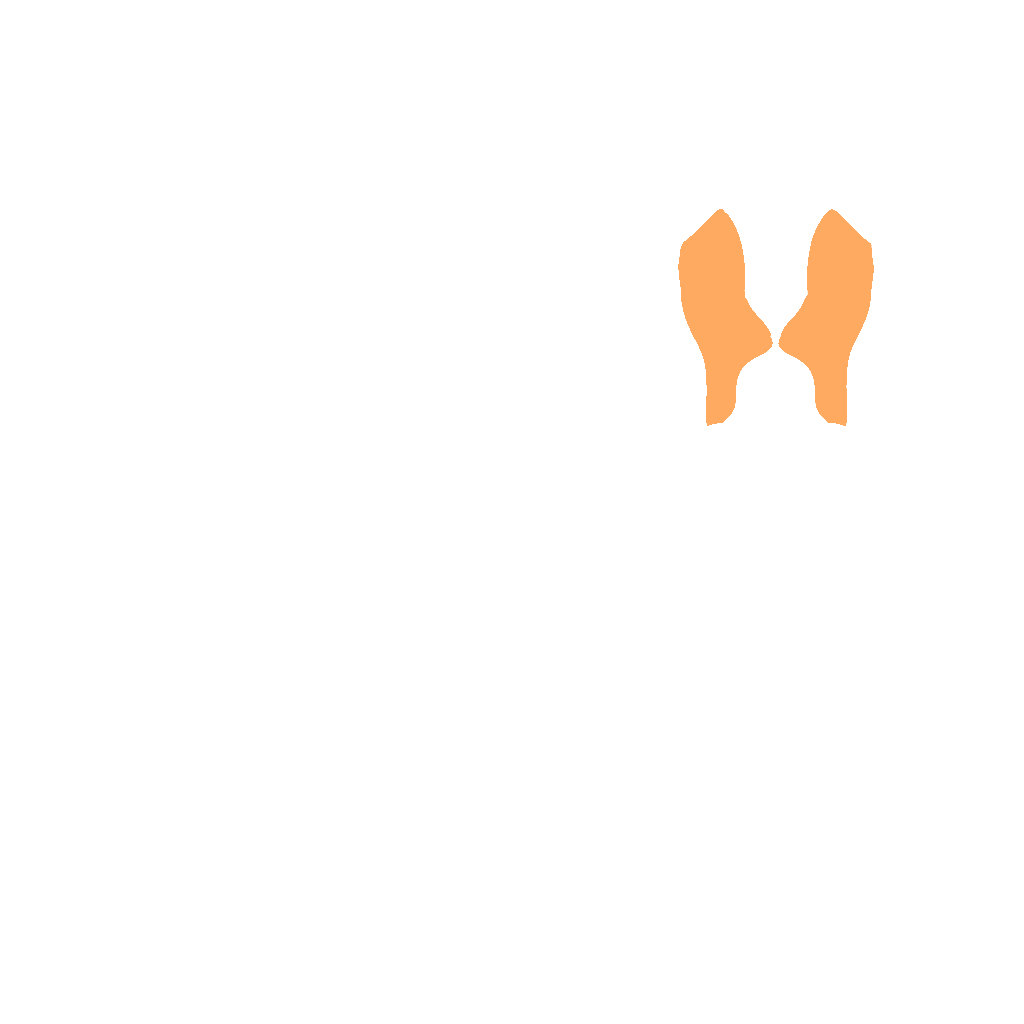

- Target
- Trapezius Lower
- Secondary
- Latissimus Dorsi
How to do it
- 1
Lie on your side with a foam roller under your ribs, just below the armpit.
- 2
Reach the bottom arm overhead to open the space between the ribs.
- 3
Press gently through your feet to roll a small range up and down the lateral rib cage.
- 4
Pause on tender bands along the individual ribs and breathe into them.
- 5
Roll slightly forward and back to reach the front and rear edges of the serratus.
- 6
Work thirty to forty-five seconds per side and keep the pressure moderate.
Tips
- Stay on the fleshy ribs, never grind directly on the floating lower ribs.
- Exhale fully as you pause to let the rib cage settle onto the roller.
- Keep pressure light here; the tissue over the ribs is thin and sensitive.
Variations
Common mistakes
- The bottom arm stays low at your side instead of reaching overhead, so the space between the ribs never opens enough for the roller to get in.
- Rolling too far toward the spine strays off the serratus and onto the paraspinal muscles, tissue that tolerates pressure differently.
- A rigid, braced trunk keeps the ribs from settling onto the roller, which defeats the point of a release meant to relax the tissue.
- Dropping straight onto the roller instead of controlling the descent with the legs can land far more pressure on the ribs than intended.
Frequently asked
- How long should a beginner foam roll the serratus and ribs?
- Spend 30 seconds per side with light, moderate pressure, working it in before overhead pressing, pull-ups, or any reaching-heavy session. Because the tissue over the ribs is thin, there is no benefit to pushing harder or longer than that; more time on a sensitive area just risks bruising instead of releasing anything. Once it feels routine, add a second short pass per side rather than extending the first one.
- What can replace a foam roller for releasing the serratus and ribs?
- A softer massage ball lets you work the space between individual ribs more precisely than a firm roller, which some people find more comfortable over bone-adjacent tissue. Lying against a wall with the ball pinned between your ribs and the wall gives the same access if you are not on the floor. Keep pressure gentle either way, since this area has less soft-tissue padding than the back or thighs.
- What is foam rolling the serratus and ribs good for, and who should be careful with it?
- It is aimed at anyone whose overhead pressing, pulling, or reaching feels restricted, since a bound-up serratus limits how the shoulder blade glides against the rib cage. It is a light primer, not a treatment, so skip it or keep pressure minimal if you have a rib injury, osteoporosis, or any condition that makes rib pressure risky. It will not fix a mobility restriction that is coming from the shoulder joint itself rather than the rib wall.
Related exercises
Other movements among FitRay's 2,000+ exercises that load the same target muscle — same equipment and level first.