Footwork Ladder (Boxing)
Boxing power and defense start from the feet, and the agility ladder trains the fast, light steps that keep a fighter balanced and in range. Staying on the balls of the feet loads the calves and the small stabilizers of the lower leg while the drills build the coordination for cutting angles. Use it as a warm-up or a conditioning finisher to keep your movement crisp.
- Equipment
- Body Weight
- Body part
- Calves
- Type
- Cardio, Functional
- Browse by muscle
- Gastrocnemius Lateral Head, Gastrocnemius Medial Head
- Browse by movement
- Gait Drill




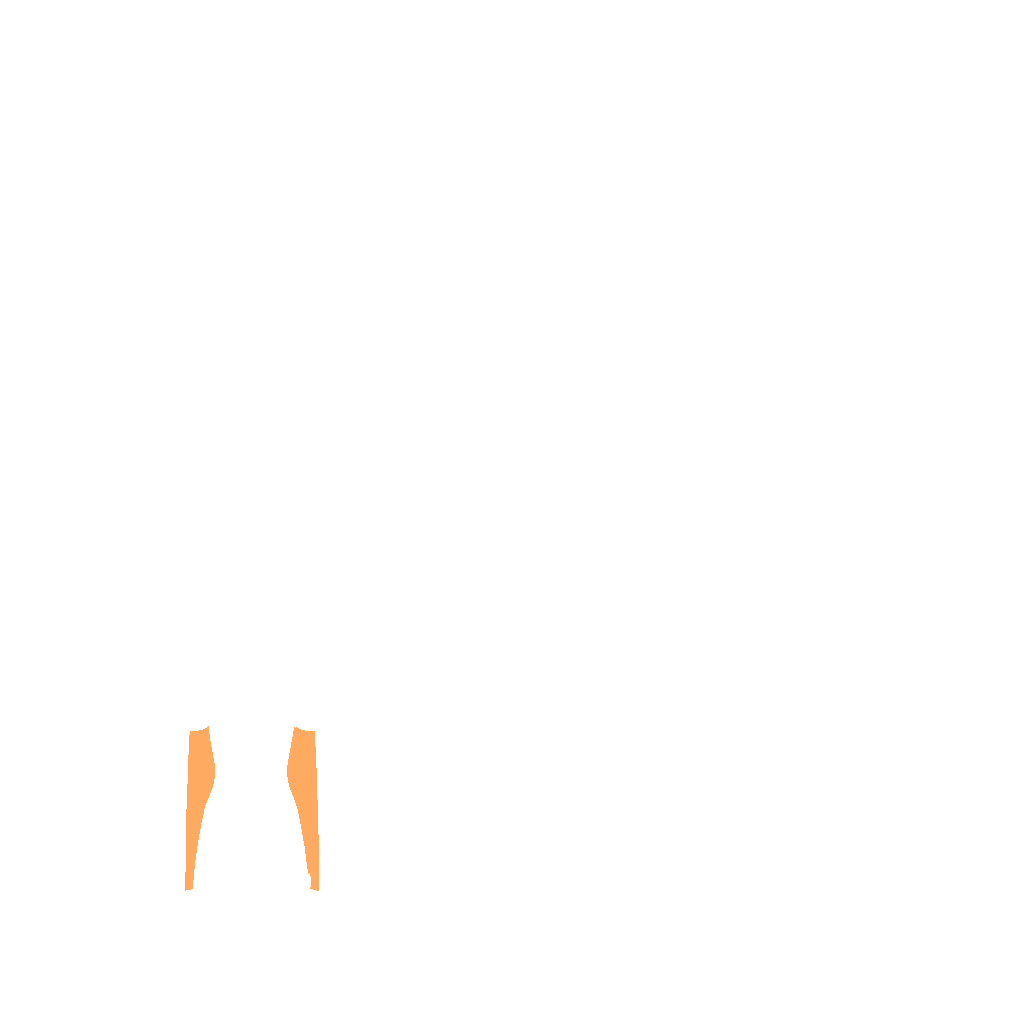




- Target
- Gastrocnemius Lateral Head, Gastrocnemius Medial Head
- Secondary
- Soleus Gastrocnemius, Tibialis Anterior, Fibularis Longus
- Tertiary
- Rectus Femoris, Gluteus Medius
How to do it
- 1
Lay the ladder flat and stand at one end in a light athletic stance.
- 2
Stay on the balls of your feet with knees soft and hands up in a guard.
- 3
Step quickly through the rungs using in-in-out-out or lateral shuffle patterns.
- 4
Keep your steps short and light rather than stamping through the rungs.
- 5
Maintain your boxing posture and guard as you move down the ladder.
- 6
Work timed rounds, alternating patterns and lead sides.
Tips
- Push through the balls of the feet and keep the heels light to protect quickness.
- Keep the steps compact; overstriding slows the feet and breaks balance.
- Hold the guard up the whole time so the footwork transfers to real sparring.
Variations
Common mistakes
- Speed gets chased before the pattern is memorized, so the round becomes a series of catches and restarts; walk each pattern twice before you run it.
- Eyes stay locked on the rungs, and a boxer who has to look at their feet has learned the wrong thing; glance down while you are learning, then bring the head up.
- The ladder gets dragged out of shape by the first few passes until the rungs no longer match the pattern, so straighten it between rounds.
- One lead side gets drilled and the other is skipped because it feels clumsy, which builds a fighter who can only move one way.
- Rounds run on until the feet are heavy, and slow, flat-footed ladder work trains exactly the quality you were trying to avoid; end the round when the steps stop being quiet.
Frequently asked
- How long should a beginner do boxing footwork ladder drills?
- Four to six rounds of 30 to 45 seconds with a full minute of rest is the right dose, because this is a quickness drill and tired feet learn nothing. Use two or three patterns per session and alternate your lead side each round. As a warm-up before bag work, two rounds is plenty. Progress by making the steps faster and quieter within the same pattern rather than by making the rounds longer.
- What can I use instead of an agility ladder for boxing footwork?
- Chalk lines, floor tape, or a jump rope laid flat in a zigzag all mark out the same spacing, since the ladder's only real job is telling your feet where to go. Line drills over a single strip of tape, working in-out, side-to-side and forward-back, cover most of what a ladder covers. Outdoors, the seams in a sidewalk work fine. With nothing to mark the floor, pick two points a stride apart and shuttle between them in your stance with the guard up and the steps short.
- What is ladder footwork good for in boxing, and what does it not do?
- It builds quick, light foot placement and coordination, and it warms the calves and ankles up for rounds of movement, which helps beginners learning to stay on the balls of their feet and works as a low-intensity finisher. It does not teach ring movement: the ladder decides where your feet go, while a fight demands that you choose. Treat it as a supplement to sparring, shadow boxing and mirror footwork, and skip it while an Achilles or calf is irritable, since every second is spent on the forefoot.
Related exercises
Other movements among FitRay's 2,000+ exercises that load the same target muscle — same equipment and level first.