Lateral Pogo Hop
A simple progression from vertical ankle hops that adds side-to-side movement, challenging the ankles and hips to control force in the frontal plane. It is excellent low-intensity conditioning and a great warm-up for lateral sports.
- Equipment
- Body Weight
- Type
- Cardio, Plyometric
- Browse by muscle
- Gastrocnemius Lateral Head, Gastrocnemius Medial Head, Soleus Gastrocnemius
- Browse by movement
- Gait Drill








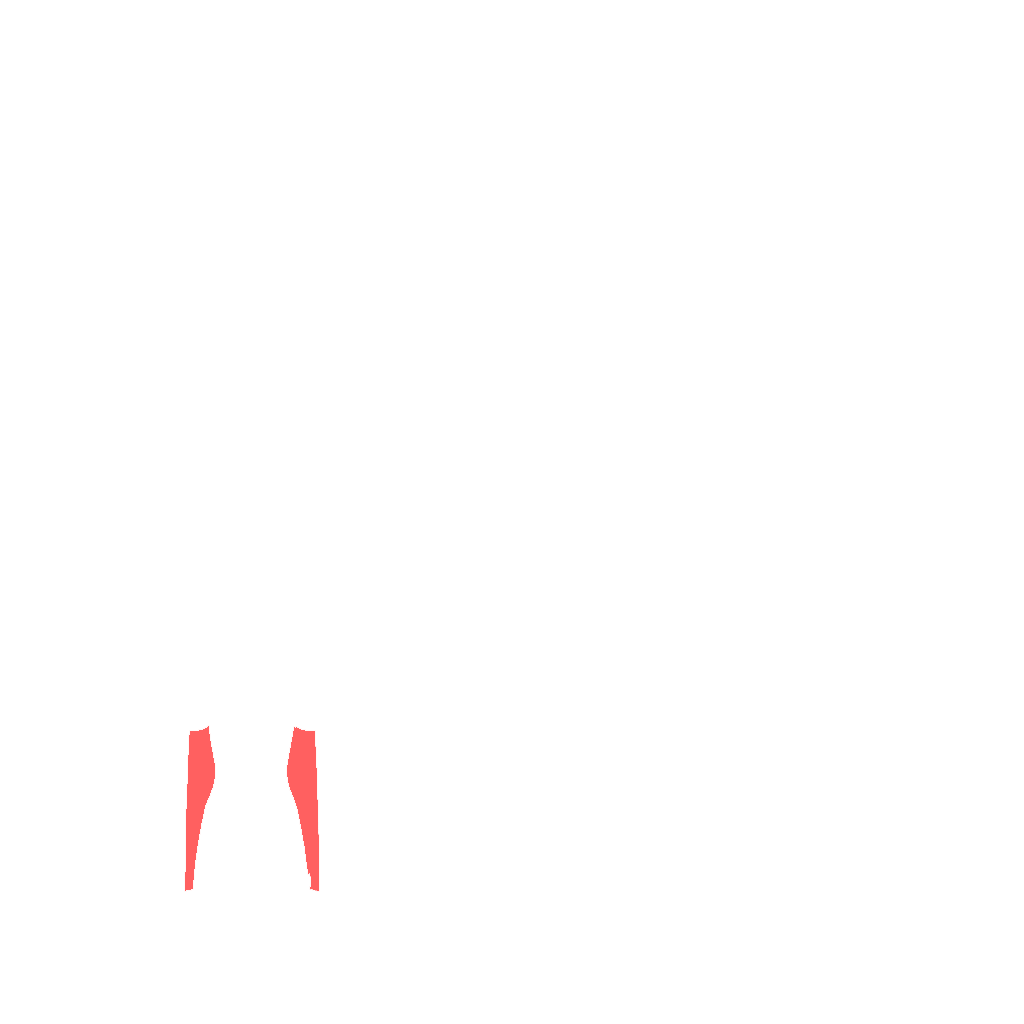
- Target
- Gastrocnemius Lateral Head, Gastrocnemius Medial Head, Soleus Gastrocnemius
- Secondary
- Gluteus Medius, Fibularis Longus
- Tertiary
- Rectus Femoris, Vastus Lateralis
How to do it
- 1
Stand tall on the balls of both feet with knees slightly bent and arms relaxed.
- 2
Bounce a short distance to one side, landing on the balls of both feet.
- 3
Immediately rebound back to the other side, keeping ground contact brief.
- 4
Stay upright and let the ankles and hips absorb and return the force.
- 5
Maintain a steady, springy rhythm rather than jumping for maximum height.
- 6
Continue for the prescribed time or reps, then rest.
Tips
- Keep the hops small and reactive; distance should come from a quick push, not a deep bend.
- Control the landing so the knees track over the toes and do not collapse inward.
- Keep the torso quiet and centered; only the feet travel side to side.
Variations
Common mistakes
- Grip matters more here than in a vertical bounce: a sideways push on a slick floor or in socks slides the foot out from under you. Use shoes with traction on a surface you trust.
- The landing knee locks out in the name of stiffness, which sends the sideways force through the joint rather than the calf and hip. Keep a small bend and let it give a few degrees.
- Weight rolls onto the outside edge of the landing foot as you travel, which is how an ankle gets turned. Land across the whole ball of the foot with the toes pointing straight ahead.
- A pause creeps in on each side to re-balance, and the stored energy in the calf and hip drains away with it; the two directions should feel like one rhythm, not two separate hops.
- The hips slide out past the landing foot instead of staying between the feet, so you catch your weight sideways rather than pushing it back the other way.
Frequently asked
- How many lateral pogo hops should a beginner do?
- Work in time rather than reps: 4 to 6 sets of 15 to 20 seconds of continuous side-to-side bouncing, with 45 to 60 seconds of rest. Keep the travel to roughly a foot each way at first and add speed before you add distance. Two sessions a week sits easily alongside running or lifting, and these belong early in a session while the feet are fresh. Once 20 seconds stays crisp the whole way through, widen the hops a few inches rather than extending the set.
- How do I make the lateral pogo hop easier or harder?
- Easier: shrink the travel to a few inches, or step side to side with a small hop on each step so one foot is always down. Harder: widen the distance, hop over a line of tape or a rolled towel so there is something to clear, or take it to one leg and bounce in and out over the same line. Chasing height is the one change that does not help, since this drill lives in the side-to-side plane and a tall hop only adds landing force.
- What is the lateral pogo hop good for, and who should skip it?
- It builds the springy side-to-side ankle and hip control that cutting, skating and court sports run on, and it is a gentle way to start loading sideways movement after a straight-ahead-only training history. It also sits well early in a session before agility work. Skip it while an ankle is swollen or an Achilles is sore, since every contact loads both sideways. It is not a strength exercise either; you still need lateral lunges and single-leg work for that.
Related exercises
Other movements among FitRay's 2,000+ exercises that load the same target muscle — same equipment and level first.