Handstand Kick-Up
The handstand kick-up is where every handstand journey begins: you plant the hands, kick one leg up, and stack the hips and shoulders over the wrists to find the inverted balance. The shoulders press and stabilize while the trunk and hips fight to stay stacked in a straight line. Learned against a wall first, it builds the overhead strength and body awareness that all handstand work is built on.
- Equipment
- Body Weight
- Type
- Balance, Strength
- Browse by muscle
- Deltoid Anterior, Deltoid Middle
- Browse by movement
- Core Brace


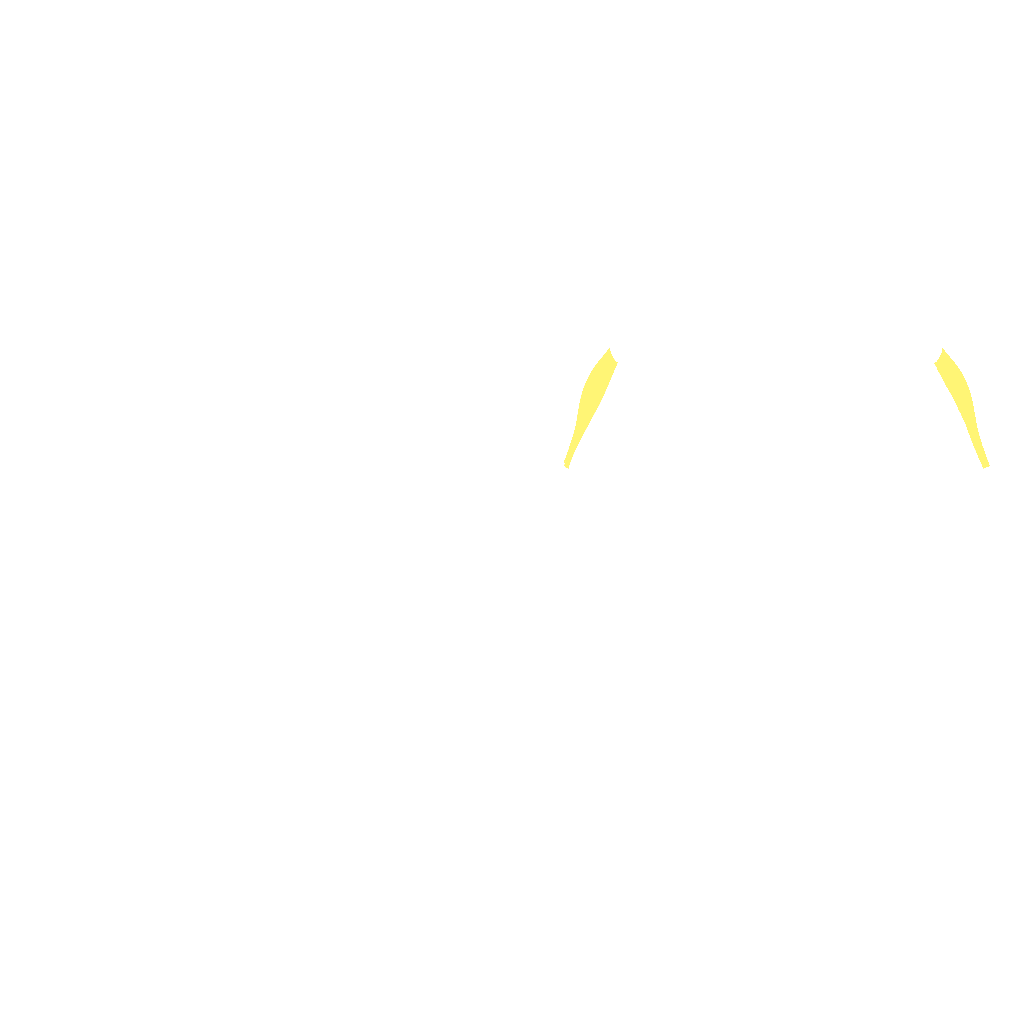

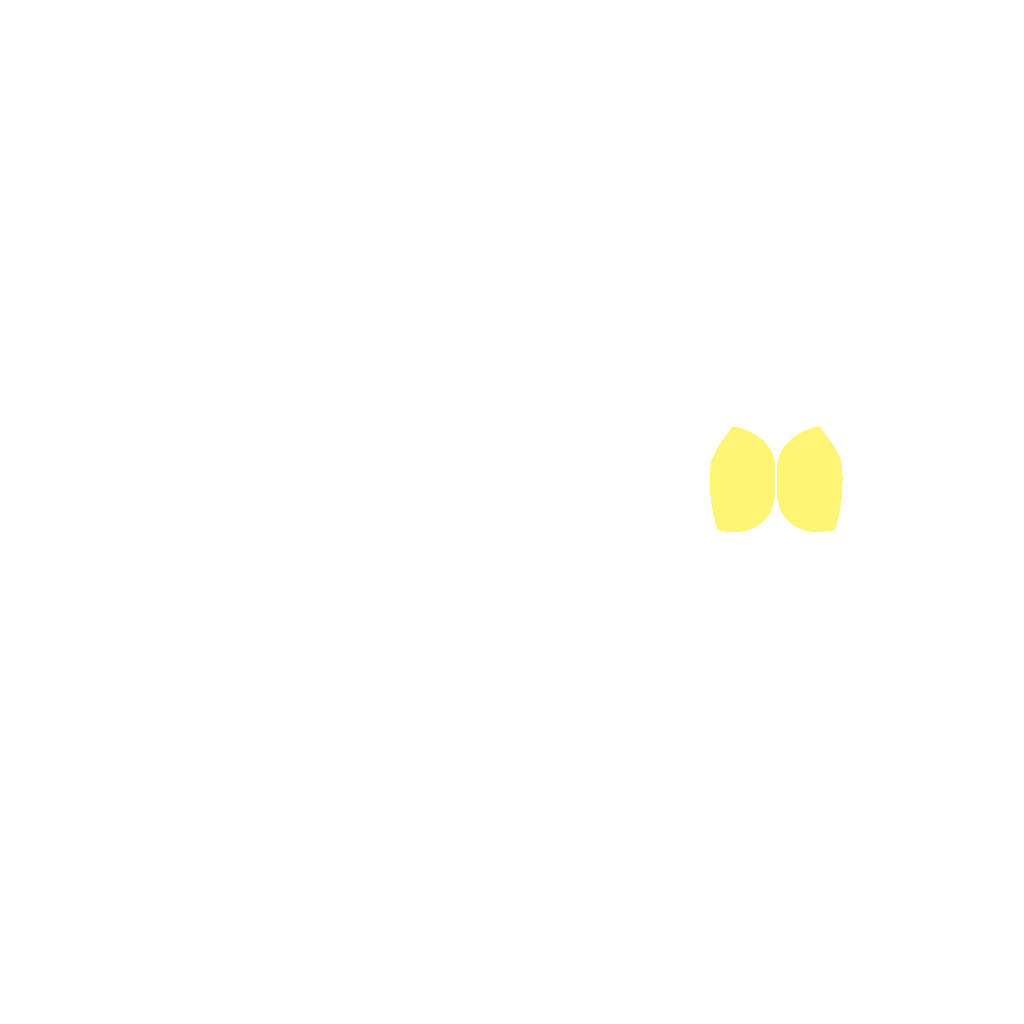








- Target
- Deltoid Anterior, Deltoid Middle
- Secondary
- Triceps Brachii Long Head, Triceps Brachii Lateral Head, Trapezius Upper, Upper Rectus Abdominals
- Tertiary
- Extensors, Erector Spinae, Gluteus Maximus, Abdominal External Oblique
How to do it
- 1
Place your hands flat on the floor shoulder-width, a short distance from a wall.
- 2
Set the shoulders over the hands and straighten the arms fully.
- 3
Kick one leg up and follow with the other to swing the hips over the shoulders.
- 4
Let the heels meet the wall and press the floor away through straight arms.
- 5
Squeeze the glutes and brace the core to hold a tall, stacked line.
- 6
Come down one leg at a time under control and reset.
Tips
- Kick just hard enough to stack over the hands; over-kicking sends you crashing into the wall.
- Push the floor away and reach tall through the shoulders rather than sinking into them.
- Keep the ribs tucked and glutes tight so the body does not banana into an arch.
Variations
Common mistakes
- The kick fires while the shoulders are still behind the wrists, so the legs go up and the body goes back down; shift forward until the shoulders sit over the hands, then kick.
- Both feet leave the floor together in a hop, which gives you one attempt and no way to adjust mid-flight; lead with one leg so you can abort halfway if the kick is wrong.
- Under-kicking out of nerves is far more common than over-kicking, and twenty half attempts leave the wrists sore with the skill no closer; commit to the kick or end the set.
- The elbows soften as the hips arrive overhead, and a bent arm under a stacked body is how people fold onto their head; keep the arms locked from the moment the hands land.
- Every attempt is made off the same leading leg, so one hip learns the pattern and the other never does; alternate the kicking leg through the session.
Frequently asked
- How often should I practise handstand kick-ups, and how many attempts per session?
- Be comfortable holding a plank and a wall handstand walked up chest-first for 30 seconds, have wrists that tolerate the position, and know how you plan to come down. Then practise little and often: 8 to 12 attempts per session, two to four sessions a week, resting properly between. This is a skill, so short and fresh beats long and tired. Stop the set once the kicks get scrappy.
- How do I make handstand kick-ups easier or harder?
- Easier: walk up the wall chest-first so you get used to being inverted, or use donkey kicks where the hips rise and you land straight back down, which trains the weight shift without going all the way over. A spotter helps too. Harder: move the hands further from the wall, kick up and take the heels off it for a second, catch the balance without touching the wall at all, or kick up onto parallettes.
- What is the handstand kick-up good for, and who should skip it?
- It is the entry point for every handstand, and it builds the overhead strength and body awareness the rest of the skill depends on. Skip it if your wrists hurt in extension until you have tried fists or parallettes, or if a shoulder cannot reach fully overhead. Do not practise it on a hard floor with furniture close by. If you only want stronger shoulders, pike push-ups and overhead presses get you there without the risk.
Related exercises
Other movements among FitRay's 2,000+ exercises that load the same target muscle — same equipment and level first.
- AdvancedCrane PoseBody Weight · Abs · Shoulder
- AdvancedAdvanced Tuck Planche HoldBody Weight · Chest · Shoulder
- AdvancedCrow PoseBody Weight · Abs · Shoulder
- AdvancedCrow to Tripod HeadstandBody Weight · Abs · Shoulder
- AdvancedFlying Crow PoseBody Weight · Abs · Shoulder
- AdvancedFlying Pigeon PoseBody Weight · Abs · Shoulder