Hanging Leg Raise to One Side
Instead of raising the legs straight up, you angle them toward one hip so the obliques on that side handle the load along with the lower abs. It is the straight-leg counterpart to the oblique knee raise and a serious step up in difficulty. Working one side per set lets you chase symmetry and expose weak links. Slot it in wherever you want direct, loaded oblique work without a cable.
- Equipment
- Pull-Up Bar
- Type
- Strength
- Browse by muscle
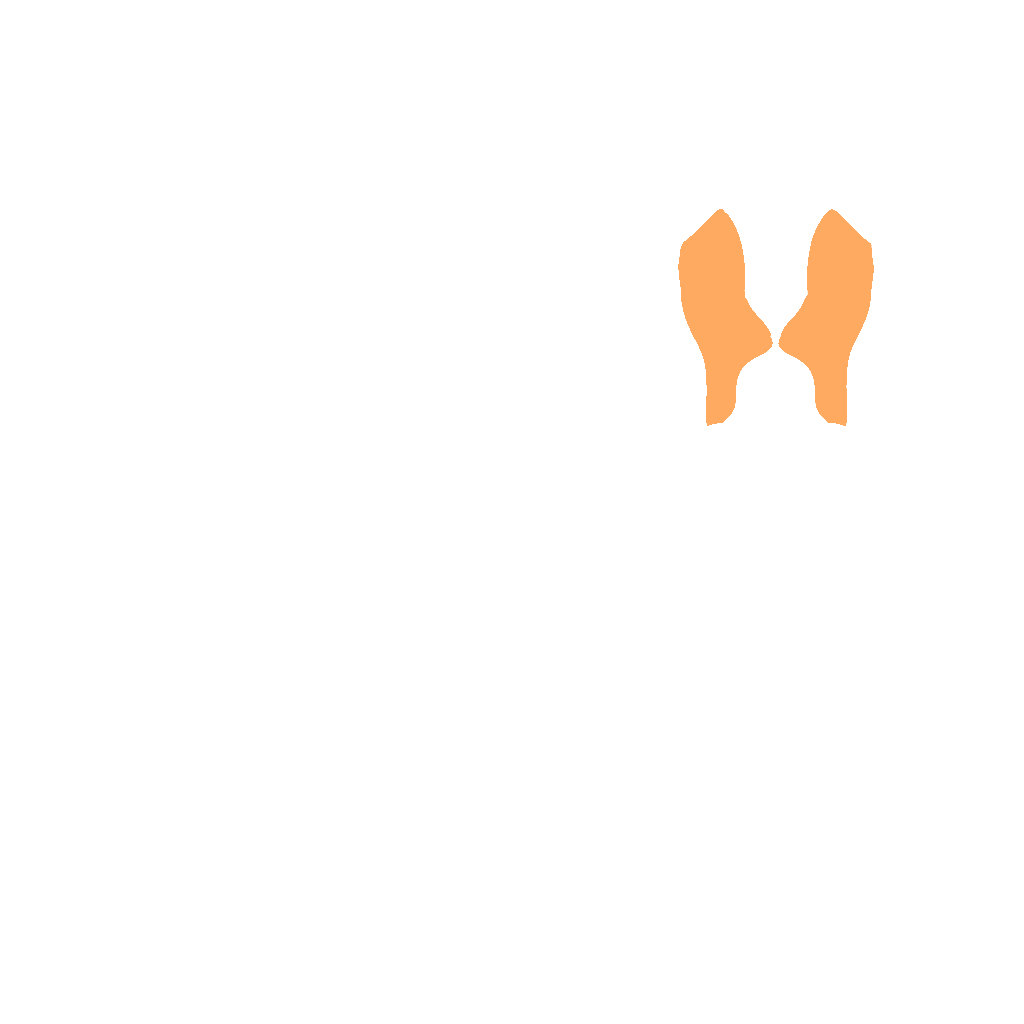
- Abdominal External Oblique, Lower Rectus Abdominals
- Browse by movement
- Spinal Flexion








- Target
- Abdominal External Oblique, Lower Rectus Abdominals
- Secondary
- Upper Rectus Abdominals, Rectus Femoris, Latissimus Dorsi
- Tertiary
- Brachioradialis
How to do it
- 1
Hang from the bar with an overhand grip and engage the lats to steady the shoulders.
- 2
With legs straight and together, raise them upward and angled toward one side of the body.
- 3
Lift until the legs are around hip height on that diagonal, feeling the oblique shorten.
- 4
Lower under control back to the hang without letting the torso twist or swing.
- 5
Exhale on the way up, inhale down, and complete all reps before switching sides.
- 6
Keep the knees locked so the raise stays strict and rotational.
Tips
- Lead with the hip on the working side rather than just swinging the feet across.
- Keep the shoulders square to the bar so the obliques, not the arms, drive the diagonal.
- Match reps and range on both sides to avoid building an imbalance.
Variations
Common mistakes
- Winding up to the opposite side first and letting the legs swing across like a pendulum, which is whole-body rotation rather than an oblique contraction.
- Letting the knees bend once the set gets hard, which quietly turns a straight-leg raise into a knee raise on the diagonal; if they bend, the set is over.
- Letting the legs separate on the diagonal so one foot leads; press the ankles together and the pair travels as one lever.
- Cutting the return short and wiping the legs from side to side above the hips, so the obliques never work at their long end.
- Adding it before you own the straight-up version; if a strict hanging leg raise is still a battle, the diagonal will just be a swing.
Frequently asked
- How many reps of the hanging leg raise to one side should I do?
- Three sets of 5 to 8 per side, finishing all reps on one side before you switch. The entry standard is 8 to 10 strict straight-leg hanging raises, because the diagonal is harder to control, not easier. Once you can pause at the top of every rep, add a light ball between the feet rather than more reps. Once a week alongside straight-leg work is enough; the obliques do not need much direct volume.
- How can I make the hanging leg raise to one side easier or harder?
- Easier: bend the knees and take them toward one shoulder, which cuts the lever without losing the diagonal, or do the same movement on a captain's chair, where your back is supported. Straps take grip out of it if the forearms fail first. Harder: pause two seconds at the top, lower over four or five seconds, squeeze a light ball between the feet, or take the legs higher toward the bar on each side.
- What is the hanging leg raise to one side good for?
- It gives you loaded oblique work with nothing but a bar, and because you work one side per set, a weaker side becomes obvious fast. That fits anyone who throws, swings or changes direction. It is an advanced movement: if you are new to hanging work, if your grip ends the set, or if you cannot stop the trunk twisting under the bar, use knee raises and side planks first and come back once the straight-leg version is strict.
Related exercises
Other movements among FitRay's 2,000+ exercises that load the same target muscle — same equipment and level first.