Isometric Deadlift Lockout Hold
Setting the pins high so the bar sits near lockout lets you pull against an immovable load and grind out maximal tension where the glutes and spinal erectors finish the lift. Because there is no bar travel, you can express and build strength at the top position safely. It sharpens the lockout for conventional and sumo pullers and reinforces a braced, neutral spine.
- Equipment
- Barbell
- Type
- Strength
- Browse by muscle
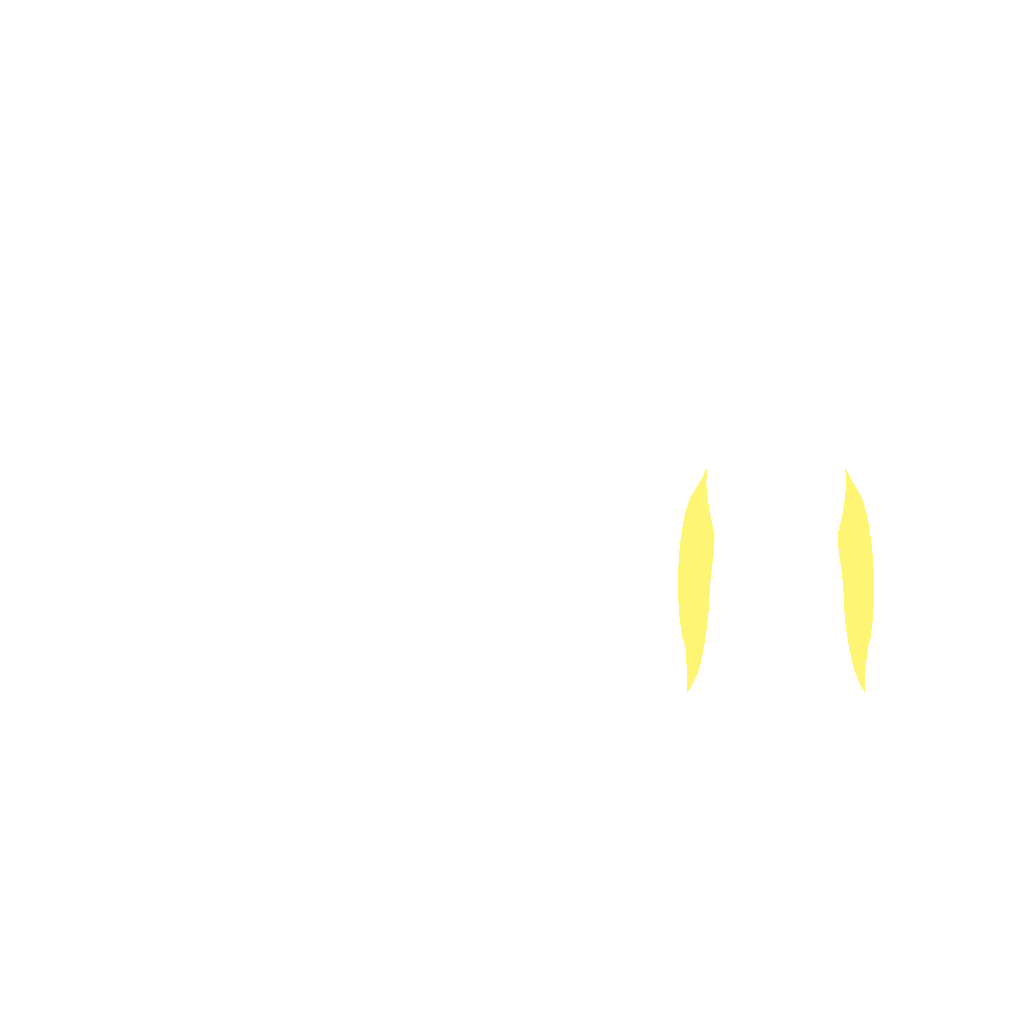
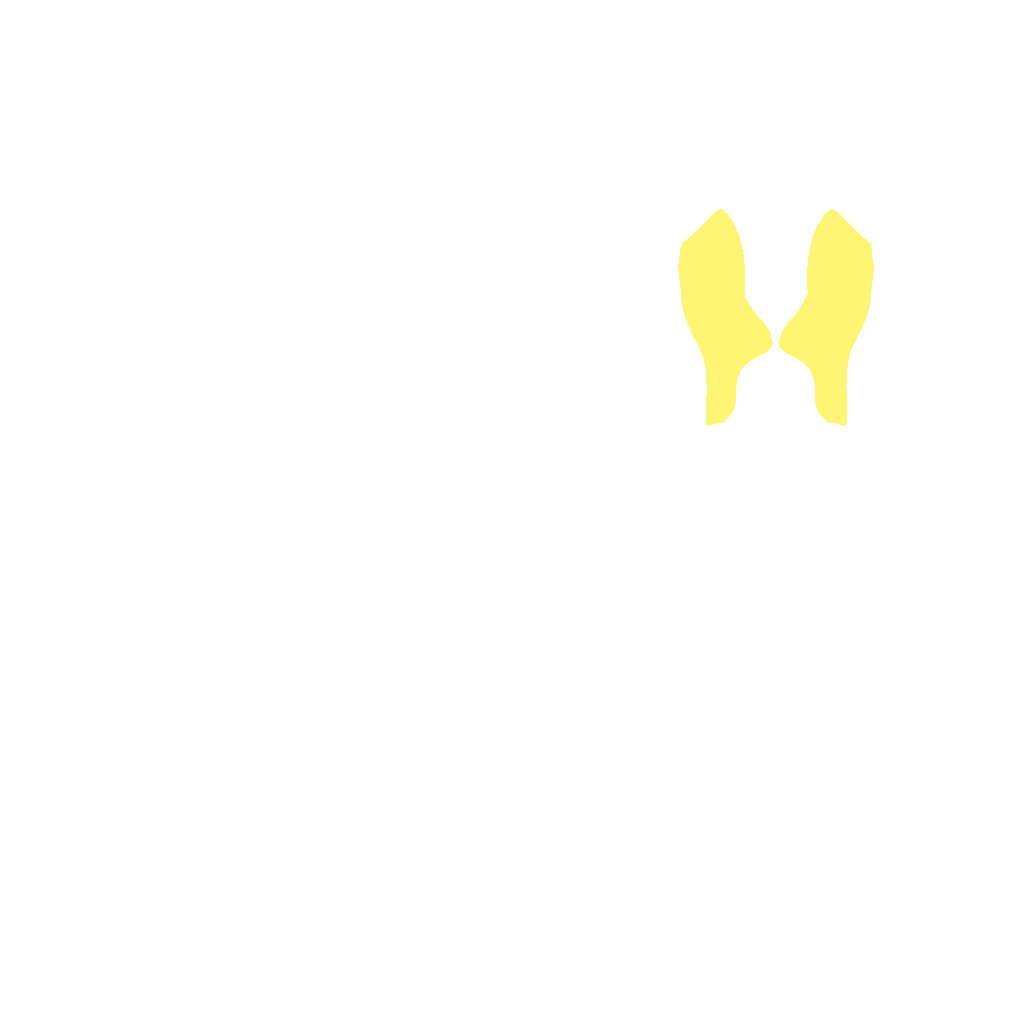
- Erector Spinae, Gluteus Maximus
- Browse by movement
- Hinge







- Target
- Erector Spinae, Gluteus Maximus
- Secondary
- Trapezius Upper, Trapezius Middle
- Tertiary
- Biceps Femoris, Latissimus Dorsi
How to do it
- 1
Set the safety pins just below your standing lockout height and start with the loaded bar underneath them, on a lower set of pins or blocks, so it jams into the pins as you pull.
- 2
Take a deadlift stance and grip, then set your back flat and brace hard.
- 3
Pull the bar up into the pins and drive your hips through to a tall lockout position.
- 4
Hold the maximal pull with glutes squeezed and shoulders stacked over the bar.
- 5
Sustain the effort for the target time, then relax the pull under control.
Tips
- Brace as if for a max lift before you pull; the intent should be to move the bar even though it will not.
- Keep the bar against your legs and drive the hips, not the low back, to lockout.
- Limit each hold to a few seconds of hard effort and rest fully between attempts.
Variations
Common mistakes
- The pins sit low enough that you are pulling from mid-shin, so the hold happens bent over and the low back takes what the hips were supposed to.
- You lean back past vertical to make the lockout feel finished, loading the spine in extension while the bar sits pinned and going nowhere.
- The upper back rounds once the pull turns maximal, and what gets rehearsed is the position you are trying to train out; ease off to a pull you can hold flat.
- Your grip gives out before the hips do, so a maximal effort becomes a grip test; use straps here, since nothing is being lifted and the hands are not the point.
- A dozen hard pulls in one session leaves the hips and erectors as beaten up as a heavy deadlift day with nothing lifted to show for it; three to five efforts is a session.
Frequently asked
- How many sets of the isometric deadlift lockout hold should you do when you are new to the exercise?
- Three to five pulls of three to six seconds at full intent, with two to three minutes between so every effort is a fresh one. Once a week is enough, and not on the same day as heavy deadlifts. Progress by raising the intent and the pin height you can hold with a flat back, not by holding longer: past about six seconds the force drops away and you are only leaning on a bar.
- What can I do instead of the isometric deadlift lockout hold without a rack and pins?
- Load a barbell well beyond what you can rack-pull from that height and pull against it from blocks or stacked plates at lockout height; it should not move, which is the point. A Smith machine with the stops set works the same way. With a heavy band, anchor it under your feet and pull to lockout against rising tension, which trains the position even though it is not a true isometric. Otherwise heavy rack pulls for two or three reps are the practical substitute.
- What is the isometric deadlift lockout hold for, and when is it a poor choice?
- It trains the finish of the deadlift, the moment the hips drive through and the glutes and erectors hold you tall, and it does that at full effort with no bar travel, which is why peaking lifters use it when they want tension without the recovery cost of heavy pulls. It is the wrong tool if your deadlift fails off the floor rather than at the top, and the wrong tool while the hinge itself is still being learned. Keep it away from a back that is flaring up, since it asks for maximal bracing with no way to bail out.
Related exercises
Other movements among FitRay's 2,000+ exercises that load the same target muscle — same equipment and level first.
- IntermediateBarbell Hip ThrustBarbell · Bench · Glutes
- IntermediateBarbell Romanian DeadliftBarbell · Glutes · Hamstring
- IntermediateBanded Barbell Good MorningBand · Barbell · Glutes
- IntermediateBarbell Frog PumpBarbell · Glutes
- IntermediateBarbell Kneeling SquatBarbell · Glutes
- IntermediateBarbell Suitcase DeadliftBarbell · Abs · Glutes