Rack Pull
By starting the bar on the pins around the knees, you shorten the range and let yourself handle loads heavier than a full deadlift, hammering the traps, upper back, and spinal erectors through the top half of the pull. It builds lockout strength and back thickness while sparing the hamstrings the deep stretch off the floor. Use it to strengthen a weak deadlift lockout or as a dedicated back-and-trap overload.
- Equipment
- Barbell
- Body part
- Back
- Type
- Strength
- Browse by muscle
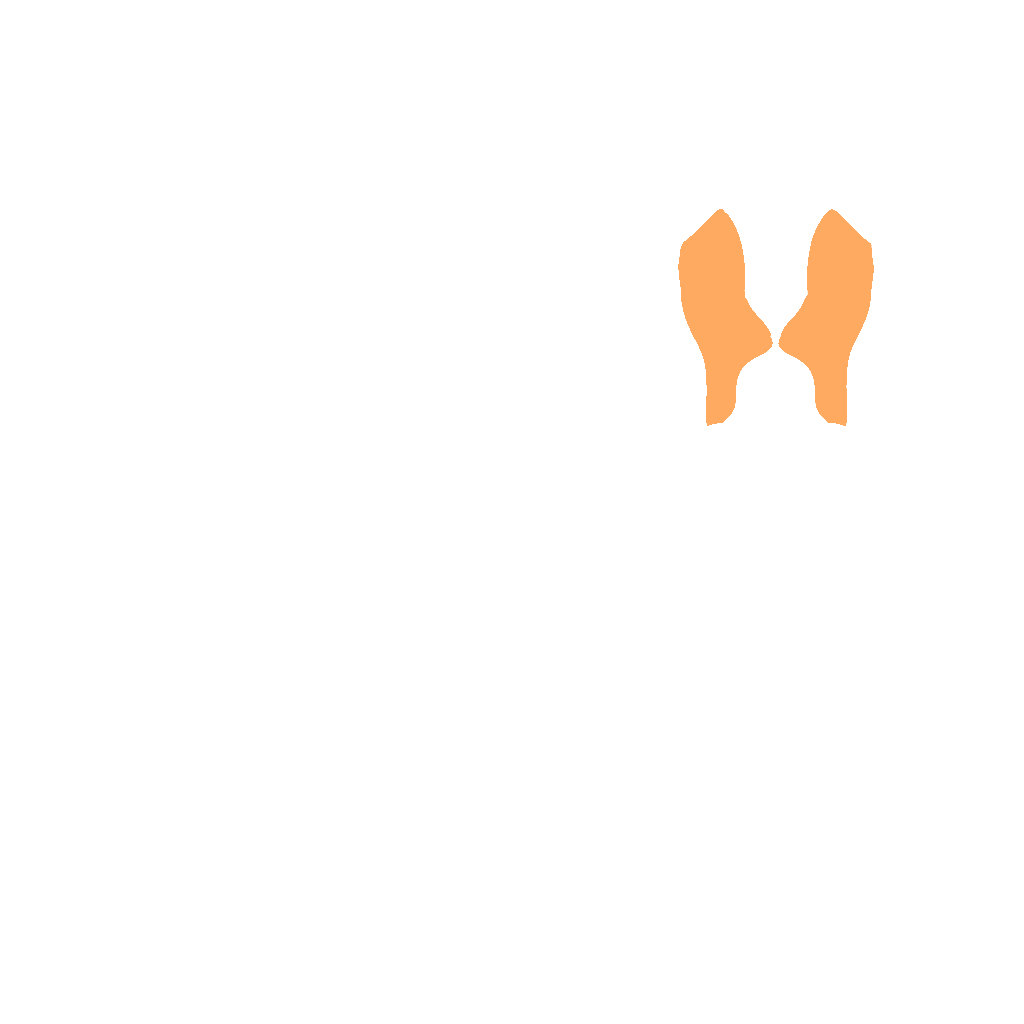
- Erector Spinae, Trapezius Upper
- Browse by movement
- Hinge












- Target
- Erector Spinae, Trapezius Upper
- Secondary
- Latissimus Dorsi, Gluteus Maximus, Trapezius Middle, Biceps Femoris, Semitendinosus
- Tertiary
- Brachioradialis, Trapezius Lower
How to do it
- 1
Set the safety pins in a rack so the bar rests at or just below knee height.
- 2
Load the bar, stand with it over your mid-foot, and take a shoulder-width overhand or mixed grip.
- 3
Set your back flat, brace your core, and pull your shoulder blades down.
- 4
Drive through the floor and stand tall, dragging the bar up your thighs to full lockout.
- 5
Squeeze your glutes and traps at the top without leaning back.
- 6
Lower the bar back to the pins under control and reset before the next rep.
Tips
- Keep the bar close and dragging up your legs so the load stays over your base.
- Don't hyperextend or lean back at lockout; finish tall with the hips under the bar.
- Set the pins higher for a heavier trap-focused pull or lower to train more of the deadlift.
Variations
Common mistakes
- The bar drifts away from the thighs on the way up, turning a short, heavy pull into extra work for the lower back that the shortened range was supposed to avoid.
- Loading plates far heavier than a full deadlift just because the range is shorter skips past the fact that the spine still has to brace against that weight at lockout.
- The knees dip forward to help start the pull off the pins, turning what should be a mostly hip-driven lockout into a partial squat.
- Leaning back past vertical to finish the lockout turns a strong finish into lumbar extension the exercise never needed.
- The pins get set at knee height for every lifter regardless of height or goal, when raising them trains more trap and upper back and lowering them trains more of the full deadlift.
Frequently asked
- How many sets and reps of the rack pull should you do when you are new to the exercise?
- Do 3 sets of 5 to 6 reps with a weight that lets you lock out tall without leaning back, since the shortened range tempts people to load up faster than their back is ready for. Add weight gradually rather than jumping straight to loads well past your deadlift, and treat clean lockouts as the sign you're ready to add more.
- What can I use instead of a rack for the rack pull?
- Blocks or sturdy plates stacked under the bar work the same way if a squat rack with adjustable pins isn't available. Without any way to elevate the bar, a regular deadlift or a deficit deadlift trains the same posterior chain, just through the full range instead of the shortened lockout portion.
- What is the rack pull good for, and when should I do a regular deadlift instead?
- Starting the pull already off the floor lets you overload the traps, upper back, and lockout strength beyond what a full deadlift allows, which makes it useful for a weak lockout or dedicated back and trap work. If your deadlift itself is what needs work, spend most of your pulling volume on the full lift instead, since the rack pull trains only its top portion.
Related exercises
Other movements among FitRay's 2,000+ exercises that load the same target muscle — same equipment and level first.
- IntermediateBanded Barbell Good MorningBand · Barbell · Glutes
- IntermediateBarbell Suitcase DeadliftBarbell · Abs · Glutes
- IntermediateBlock PullBarbell · Glutes · Hamstring
- IntermediateClean PullBarbell · Glutes · Hamstring
- IntermediateIsometric Deadlift Lockout HoldBarbell · Back · Glutes
- IntermediateRack Pull Above KneeBarbell · Back · Glutes