Isometric Mid-Thigh Pull Hold
Borrowed from the lab-based mid-thigh pull that coaches use to measure whole-body pulling force, this version anchors a stout band low, heavy and short enough that it barely stretches at your hardest pull, and asks you to pull hard into a fixed position rather than move a load (for a truly fixed position, pull a bar up into safety pins instead). Holding the bar at mid-thigh with a tall chest teaches the posterior chain, traps, and grip to produce force at the exact angle where a deadlift stalls. It builds rate of force development and joint-friendly strength without the eccentric fatigue of heavy pulls, so it fits neatly into a prehab or peaking block.
- Equipment
- Band
- Type
- Functional, Strength
- Browse by muscle
- Erector Spinae, Trapezius Upper
- Browse by movement
- Hinge



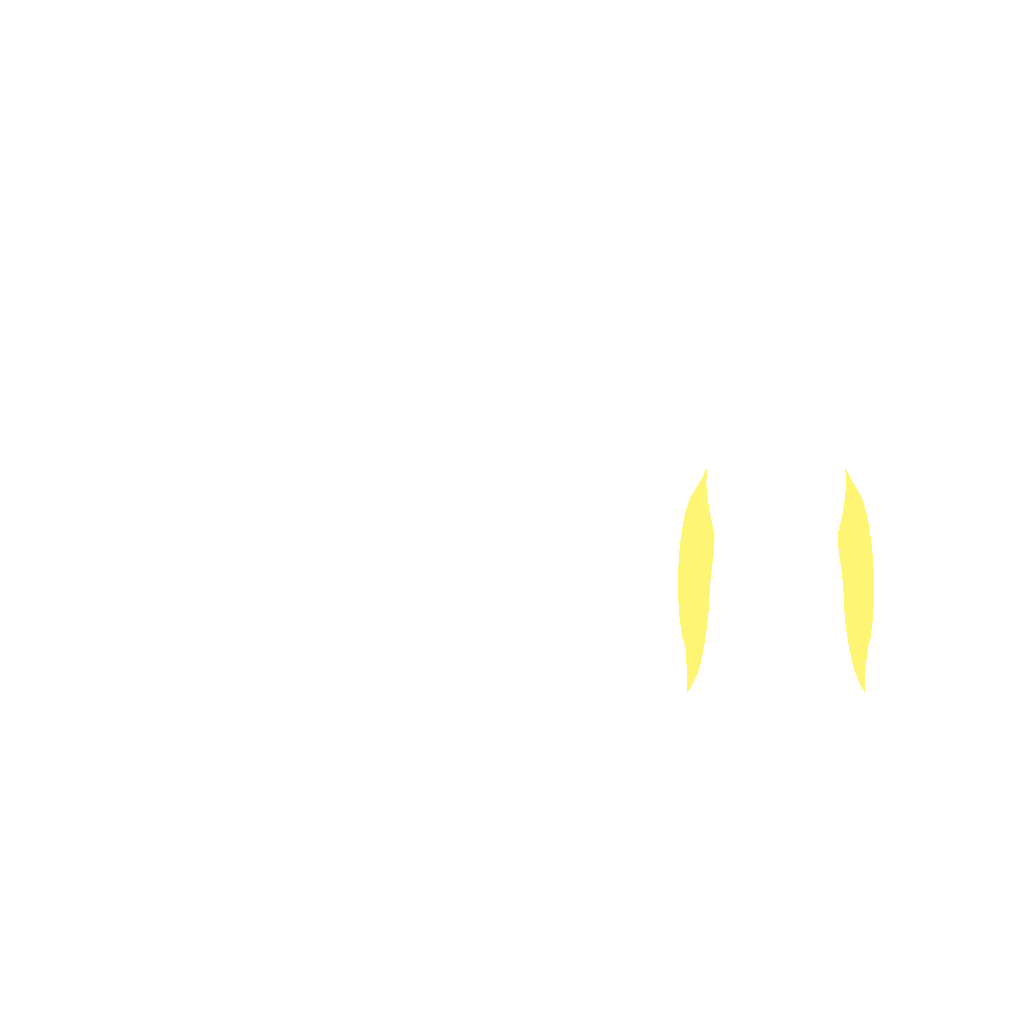
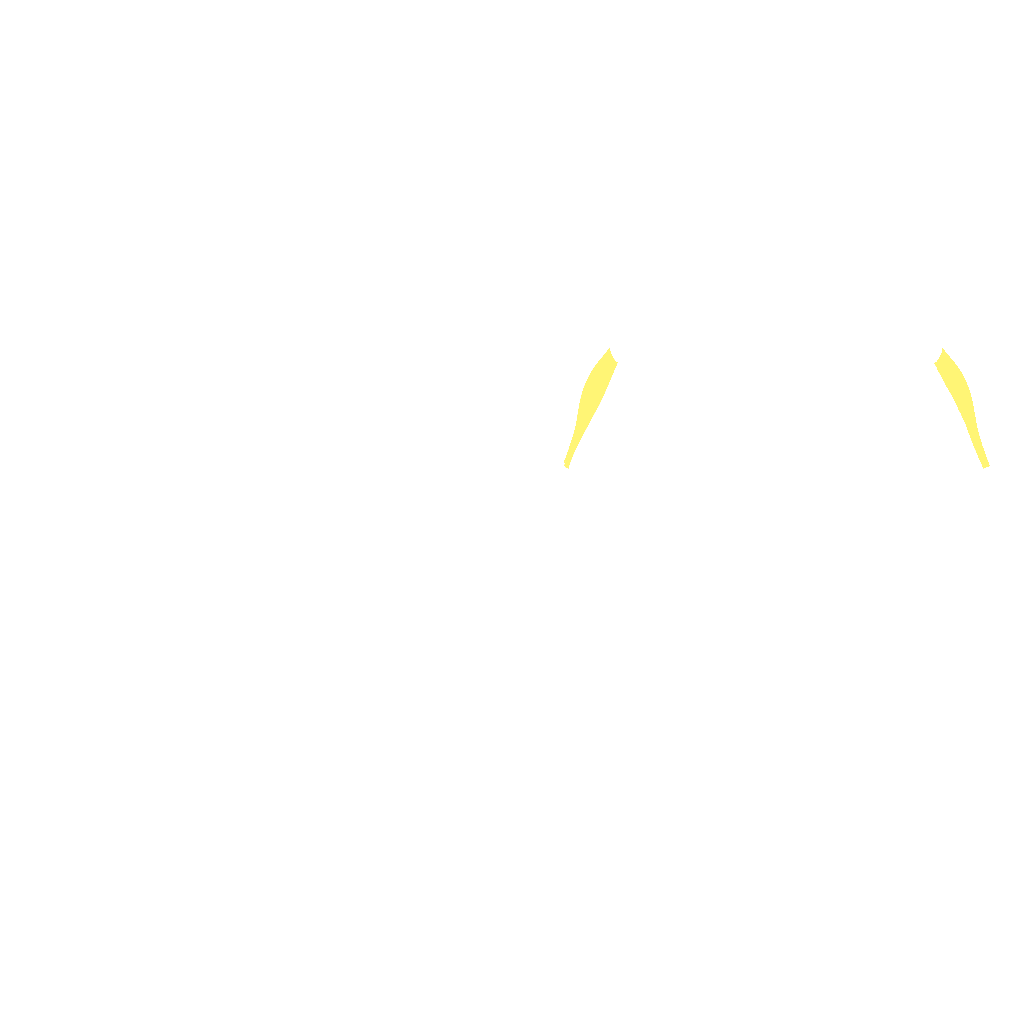

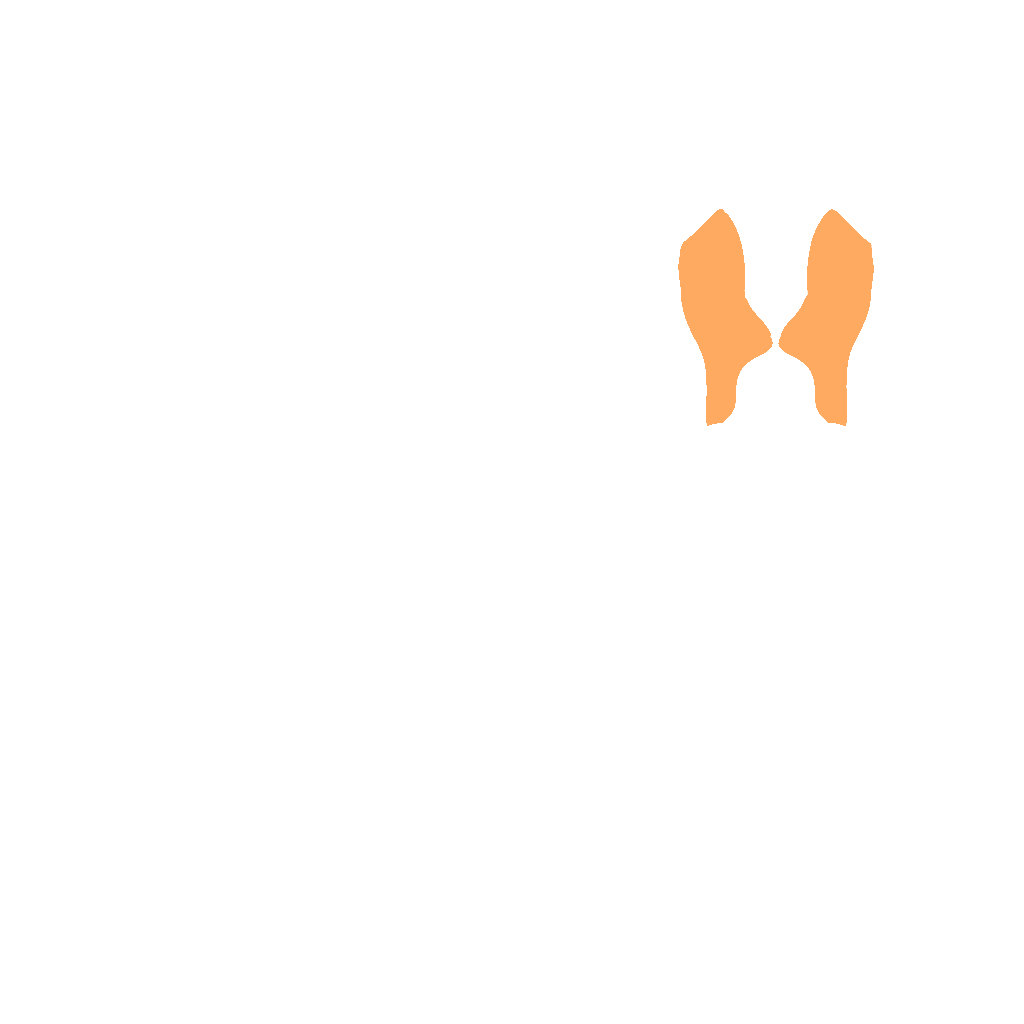




- Target
- Erector Spinae, Trapezius Upper
- Secondary
- Gluteus Maximus, Latissimus Dorsi, Vastus Lateralis
- Tertiary
- Rectus Femoris, Biceps Femoris, Extensors
How to do it
- 1
Anchor a heavy band under a rack base or a loaded platform and grip the handle or bar at mid-thigh height.
- 2
Set your feet hip-width, brace the trunk, and pull the slack out until the band is taut.
- 3
Wedge into position with knees slightly bent, hips back, chest tall, and shoulders over the bar.
- 4
Drive the floor away and pull hard as if trying to stand fully, without letting the position change.
- 5
Hold the maximal effort for three to five seconds while breathing shallowly against a braced core.
- 6
Relax gradually, reset the setup, and rest fully before the next effort.
Tips
- Keep the spine neutral; the goal is a rigid, unmoving pull, not a rounded grind.
- Pull with the legs and hips first so the lower back does not take over.
- Ramp intensity across sets rather than going all-out on the first rep cold.
- Treat each hold as a short, near-maximal effort with long rest, not a fatiguing time under tension.
Variations
Common mistakes
- The band goes slack for a moment before the pull starts, turning what should be an instant, taut effort into a small jerk.
- The knees or hips creep upward during the hold, so the isometric position quietly turns into a very slow deadlift.
- Breathing stops completely and the face strains, when a brace with shallow breathing holds pressure without cutting off air entirely.
- Sets get stacked back to back with barely a rest, so fatigue from the last effort blunts the force of the next one.
- The bar or handle sits too high, closer to the hip crease than mid-thigh, changing the joint angle the drill is meant to train.
Frequently asked
- How many sets of the isometric mid-thigh pull hold should you do when you are new to the exercise?
- Start with 3 to 5 holds of 3 to 5 seconds each, resting at least a minute between efforts so every pull stays close to maximal. Build up by adding a hold or two per session rather than making any single hold longer.
- What can you use instead of a band for the isometric mid-thigh pull hold?
- A rack pull set against safety pins at mid-thigh height, pulling up on a fixed bar, gives the same fixed-position effort without a band. With no equipment at all, pulling against a sturdy door frame or a partner holding a broomstick at mid-thigh height recreates the same idea.
- What is the isometric mid-thigh pull hold for, and when is it a poor choice?
- It builds pulling force and posterior-chain strength at the exact hip angle where a deadlift often stalls, without the fatigue of full reps, which suits strength athletes in a peaking or prehab phase. It is a poor choice for someone still learning to hinge, since a maximal effort in a fixed position teaches nothing about moving the bar safely through a full pull.
Related exercises
Other movements among FitRay's 2,000+ exercises that load the same target muscle — same equipment and level first.
- IntermediateBand Good MorningBand · Back · Hamstring
- IntermediateBanded Barbell Good MorningBand · Barbell · Glutes
- AdvancedDeadlift Against BandsBand · Barbell · Back
- AdvancedReverse-Band DeadliftBand · Barbell · Back
- IntermediateDumbbell Deadlift to High PullDumbbell · Glutes · Traps
- IntermediateKettlebell Clean and PressKettlebells · Glutes · Shoulder