Kettlebell Bent-Over Row
Rowing two kettlebells from a hinge works the lats and mid-back much like a dumbbell row, but the bell's offset center of mass and thick handle add a grip and stabilization challenge as it hangs below the hand. The neutral grip is shoulder-friendly and lets the elbows tuck for a strong lat pull. It's an accessible, equipment-flexible back builder that fits home gyms and conditioning circuits alike.
- Equipment
- Kettlebells
- Type
- Strength
- Browse by muscle
- Latissimus Dorsi, Trapezius Middle
- Browse by movement
- Horizontal Pull










- Target
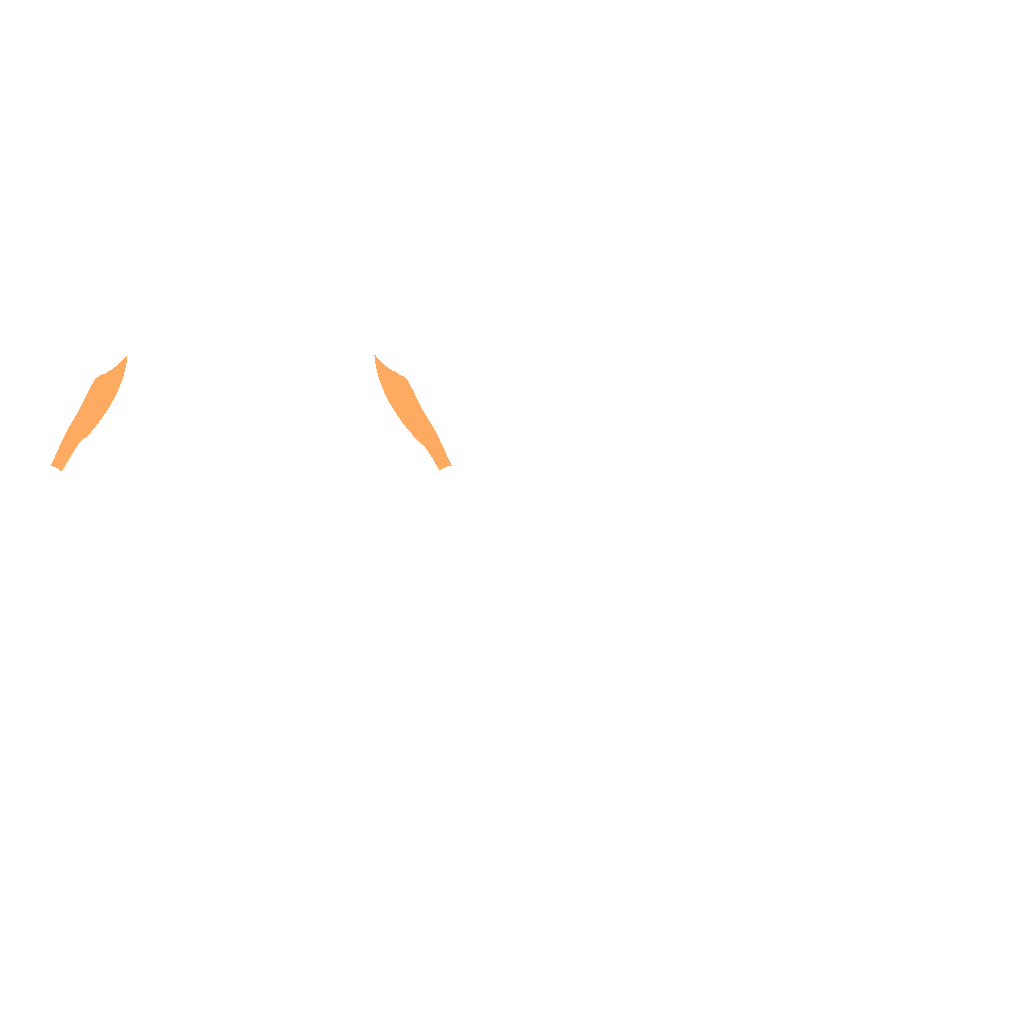
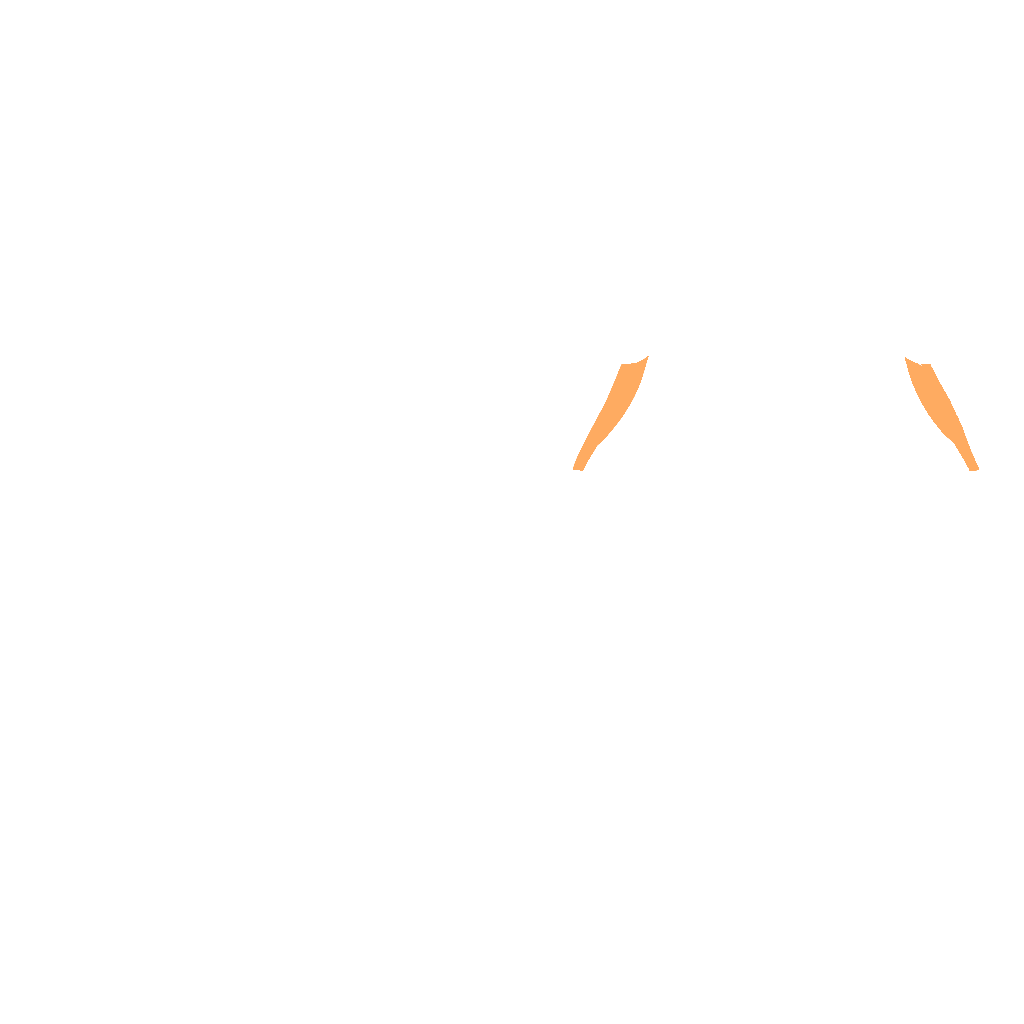
- Latissimus Dorsi, Trapezius Middle
- Secondary
- Trapezius Lower, Deltoid Posterior, Infraspinatus, Biceps Brachii Long Head, Biceps Brachii Short Head, Brachioradialis
- Tertiary
- Erector Spinae
How to do it
- 1
Set two kettlebells just outside your feet and hinge to a flat-back torso near parallel.
- 2
Grip a bell in each hand with a neutral grip and brace your core.
- 3
Let the bells hang at arm's length with the shoulder blades spread.
- 4
Row both bells toward your hips by driving the elbows back and up.
- 5
Squeeze the mid-back at the top, then lower under control to a full stretch.
- 6
Keep the torso angle fixed and the spine neutral throughout.
Tips
- Let the bells hang straight below the handles so the wrists stay neutral at the top.
- Keep the hips still; the back rows the weight, not a torso swing.
- Grip the handles firmly since the offset load wants to rotate.
- Pull to the hips rather than the chest to keep the lats engaged.
Variations
Common mistakes
- Reaching for the bells from a rounded back at the start of the set. Hinge down to them with the chest set, or place them where your hands already hang so there is nothing to reach for.
- Putting the bells down at the end of a set by bending at the waist. The last rep is not the end of the set; hinge them to the floor the same way you picked them up.
- Letting the bells swing forward at the bottom and catching the backswing to start the next rep. The arc adds momentum and drags the torso out of position.
- Letting the bells drift out wide so they clip your knees on the way up. Keep them traveling in a line under the shoulders and back toward the hips.
Frequently asked
- How many sets and reps of the kettlebell bent-over row should a beginner do?
- Three sets of 10 to 15. Kettlebells jump in big steps, often 4 kg at a time, so adding a little weight each week is not an option: stay at one bell size and build from 10 reps to 15 over a few weeks, then move up and expect to drop straight back to 8 or 10. Holding the top for a second on every rep is a useful way to make the same pair harder while you wait for that jump.
- What can I do instead of the kettlebell bent-over row if I only have dumbbells?
- A two-dumbbell bent-over row is the same movement with an easier grip and a slightly shorter range, since the load sits in your hand rather than hanging below it. A barbell bent-over row is the heavier gym version. With no weights, a banded bent-over row or an inverted row under a table trains the same pull. If you own only one kettlebell, do the single-arm version with your free hand on a bench.
- What is the kettlebell bent-over row good for, and when is it a poor fit?
- It builds the lats and mid-back at home or inside a circuit, and the thick handle and offset load make the grip work harder than a dumbbell would. The neutral grip is easy on the shoulders and lets the elbows stay tucked. It is a poor fit when your lower back is the thing that fails first, since you hold a hinge for the whole set; a chest-supported row solves that. It is also limited for strength once your back outgrows the heaviest pair of bells you own.
Related exercises
Other movements among FitRay's 2,000+ exercises that load the same target muscle — same equipment and level first.
- IntermediateKettlebell Gorilla RowKettlebells · Back · Lats
- AdvancedKettlebell Renegade RowKettlebells · Abs · Back
- IntermediateSingle-Arm Kettlebell RowBench · Kettlebells · Back
- BeginnerSeated Cable RowCables · Machine · Back
- BeginnerFace PullCables · Back · Shoulder
- BeginnerIncline Bench Dumbbell RowBench · Dumbbell · Back