Kettlebell Dead Clean
The dead clean teaches you to build the rack from a standstill rather than riding a backswing, which cleans up timing and reinforces a quiet, bruise-free catch. It is an excellent teaching drill for the clean and a strong low-rep power builder in its own right. Keep the elbow tight and let the bell roll around the wrist rather than crashing onto it.
- Equipment
- Kettlebells
- Type
- Functional, Strength
- Browse by muscle
- Gluteus Maximus, Biceps Femoris, Semitendinosus, Erector Spinae
- Browse by movement
- Hinge












- Target
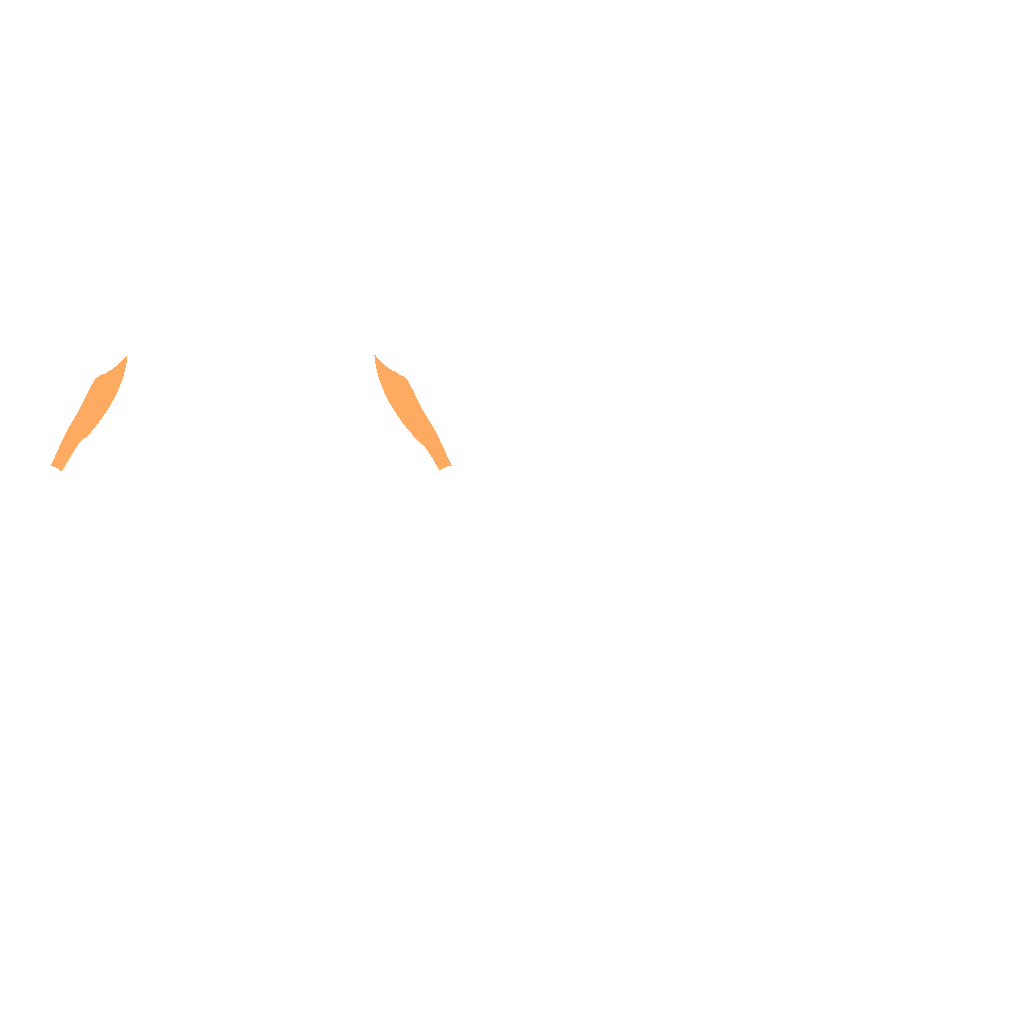
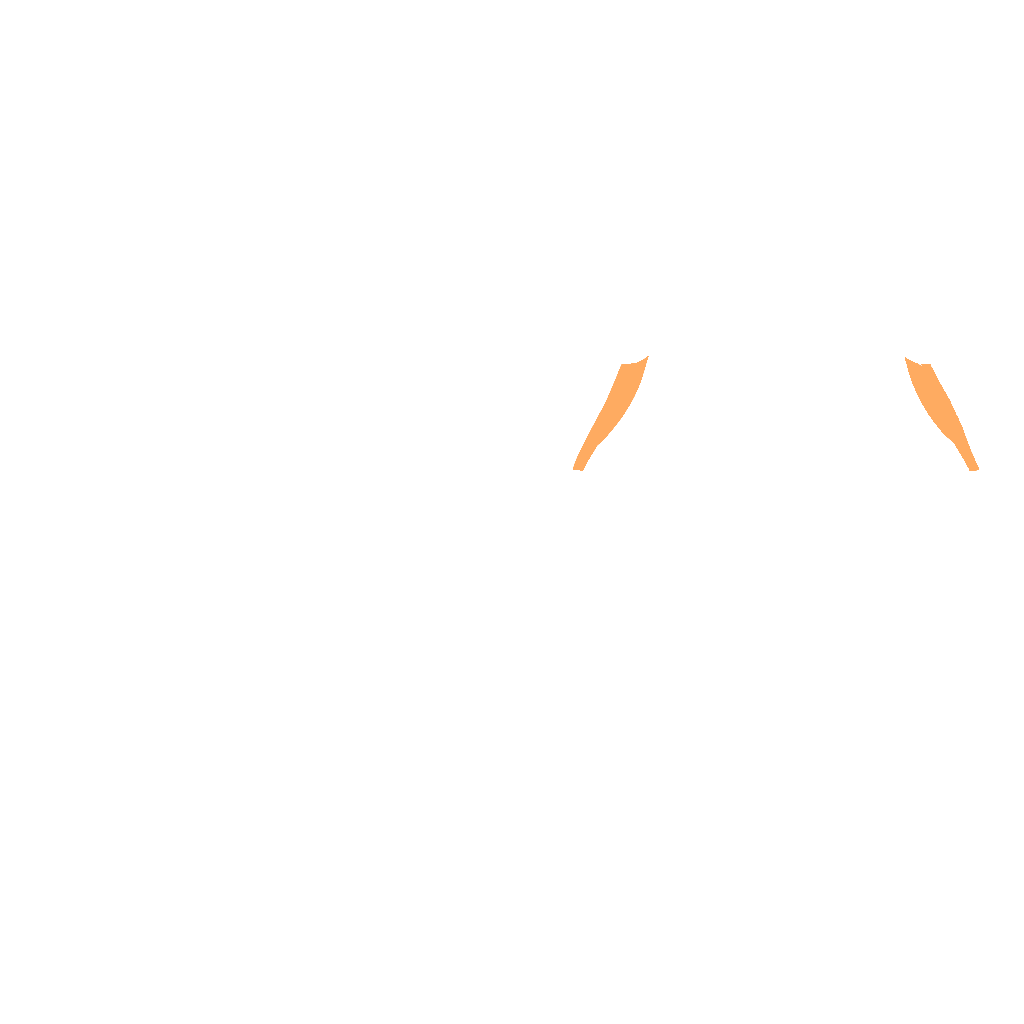
- Gluteus Maximus, Biceps Femoris, Semitendinosus, Erector Spinae
- Secondary
- Deltoid Anterior, Trapezius Upper, Vastus Lateralis, Brachioradialis
- Tertiary
- Abdominal External Oblique, Biceps Brachii Short Head
How to do it
- 1
Place the kettlebell between your feet, hinge down, and take a single-hand grip on the handle.
- 2
Brace your trunk, then drive the hips forward hard to accelerate the bell upward.
- 3
Pull your elbow in and let the bell rotate around your wrist as it rises.
- 4
Receive it softly in the rack with the wrist straight and forearm against your ribs.
- 5
Lower the bell back to the floor with control and let it settle.
- 6
Re-grip and repeat from the dead stop for the desired reps, then switch hands.
Tips
- Keep a loose grip so the handle sits deep in the palm and the bell wraps rather than slams.
- Keep the working elbow close to the body throughout the pull and catch.
- Drive with the hips, not the arm; the bicep should stay relaxed.
Variations
Common mistakes
- The wrist bends backward to catch the bell instead of staying straight, so the impact lands on the wrist joint rather than the padded forearm.
- Once the hips extend, the arm often keeps pulling upward on its own, muscling the bell the last few inches into the rack instead of letting the rotation finish it.
- Gripping the handle tightly from the floor stops the bell from wrapping smoothly around the wrist and turns the catch into a bang instead of a roll.
- The elbow flares out away from the ribs during the pull, which sends the bell around the outside of the wrist instead of rolling cleanly over the top.
- Letting the bell drop to the floor without settling between reps skips the dead stop and turns the drill into a continuous swing-clean instead.
Frequently asked
- How many reps of the kettlebell dead clean should you do per side when you are new to the exercise?
- Do 3 to 5 sets of 3 to 5 reps per side, resetting fully to the floor between reps, and rest 60 to 90 seconds between sets. Add reps only once every catch lands soft and quiet in the rack, then progress weight before rep count.
- What can you use instead of a kettlebell for the dead clean pattern?
- A single dumbbell cleaned from the floor trains a similar hip-drive-to-shoulder pattern, though it will not roll around the wrist the way a kettlebell does. Without weight, practice the hip extension and elbow-in pull using just your bodyweight to build the timing first.
- What is the dead clean good for, and when should you choose the swing-based clean instead?
- Starting from a dead stop cleans up timing and teaches a quiet, bruise-free catch, a strong teaching drill for the full clean and a low-rep power builder on its own. Choose the swing-based clean instead when your goal is continuous conditioning work, since resetting to the floor every rep limits how much volume you can do.
Related exercises
Other movements among FitRay's 2,000+ exercises that load the same target muscle — same equipment and level first.
- IntermediateKettlebell Clean and PressKettlebells · Glutes · Shoulder
- IntermediateKettlebell Clean-Squat-Press FlowKettlebells · Quads · Shoulder
- IntermediateKettlebell SwingKettlebells · Glutes · Hamstring
- IntermediateAmerican Kettlebell SwingKettlebells · Glutes · Hamstring
- IntermediateDead-Stop Kettlebell SwingKettlebells · Glutes · Hamstring
- IntermediateHand-to-Hand Kettlebell SwingKettlebells · Glutes · Hamstring