Kettlebell Halo-to-Reverse-Lunge Flow
This flow strings a shoulder-mobilizing halo to a single-leg reverse lunge so the upper body works the load overhead while the trailing leg trains balance and the glutes drive the return. Keeping the bell close and the torso upright makes the obliques and hips work to stay stable through the step. It is a well-rounded full-body warm-up or low-load conditioning circuit.
- Equipment
- Kettlebells
- Type
- Balance, Functional
- Browse by muscle
- Deltoid Middle, Deltoid Posterior, Gluteus Maximus
- Browse by movement
- Lunge, Mobility Drill




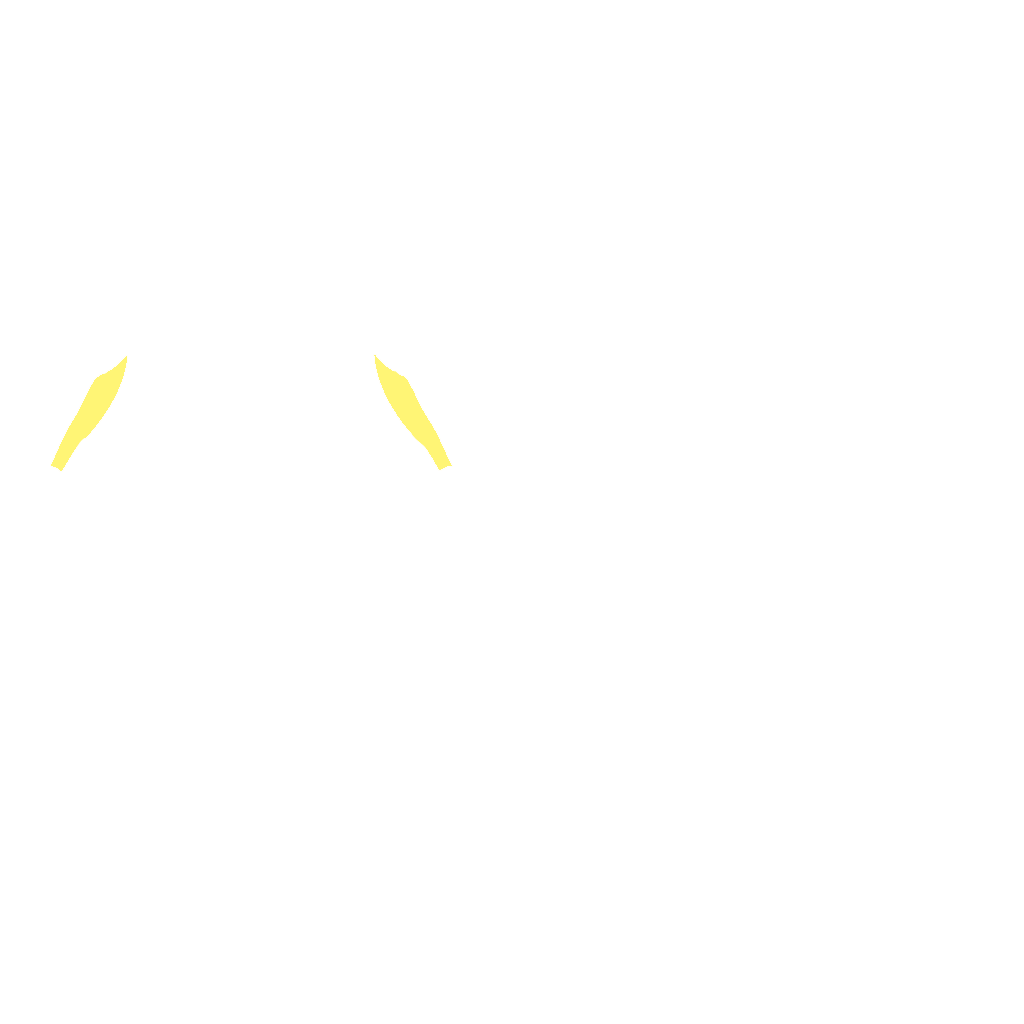
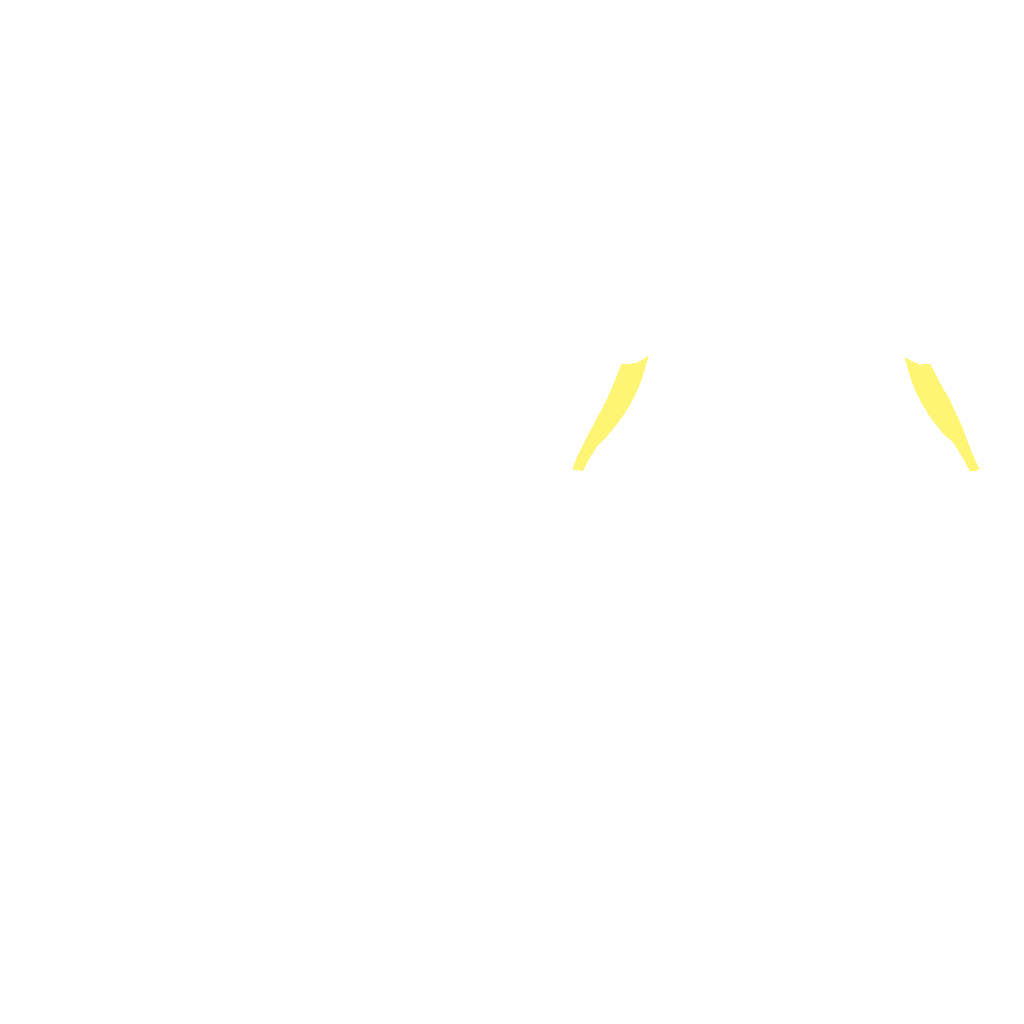
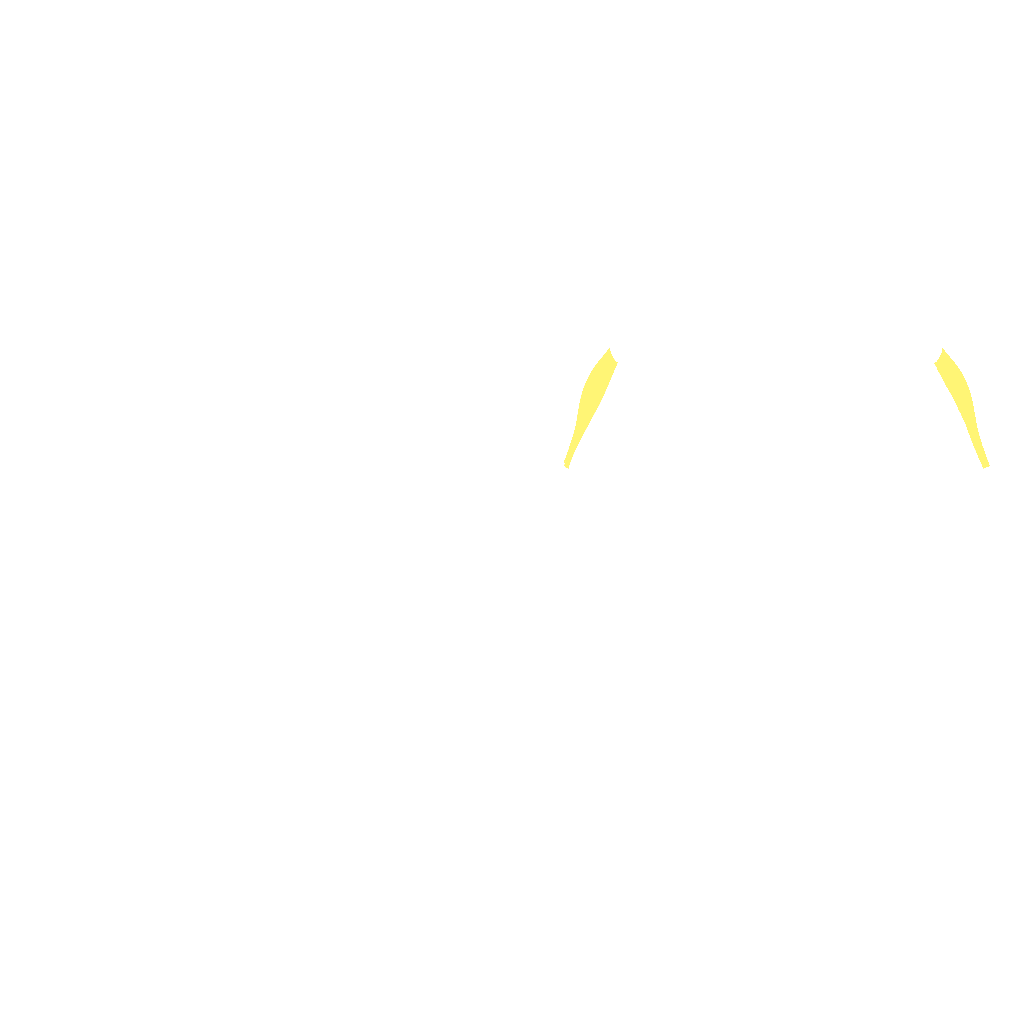

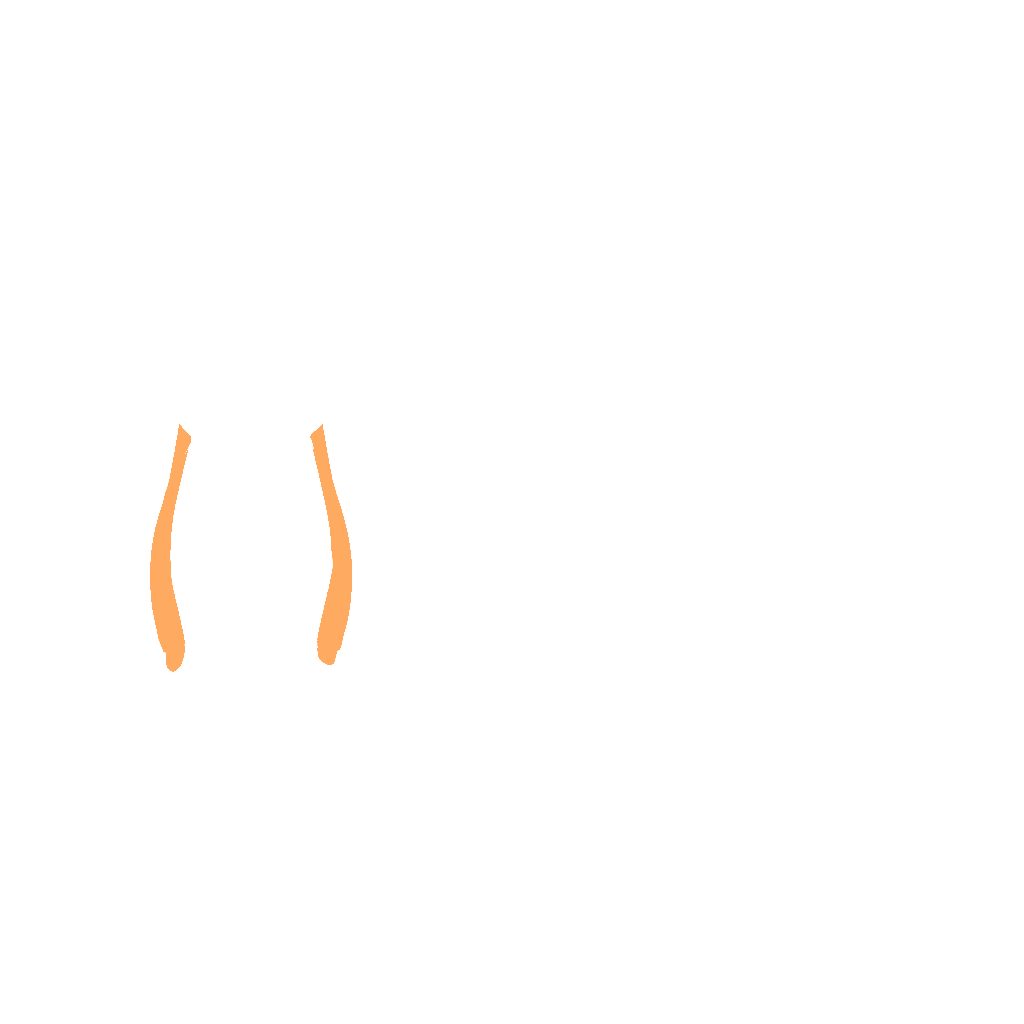




- Target
- Deltoid Middle, Deltoid Posterior, Gluteus Maximus
- Secondary
- Rectus Femoris, Vastus Lateralis, Abdominal External Oblique, Gluteus Medius
- Tertiary
- Deltoid Anterior, Erector Spinae, Brachioradialis, Extensors
How to do it
- 1
Hold the kettlebell by the horns at chest height and stand tall.
- 2
Circle the bell around your head close to the skull for one controlled halo.
- 3
Bring the bell back to your chest and brace your trunk.
- 4
Step one leg back into a reverse lunge until the back knee lightly taps the floor.
- 5
Drive through the front heel to return to standing and perform the next halo.
- 6
Alternate the lunging leg and the halo direction on each rep.
Tips
- Keep your torso upright as you lunge; do not let the bell pull you forward.
- Track the front knee over the mid-foot and control the descent of the back knee.
- Keep the halo tight to your head so the load stays centered over your base.
- Alternate legs evenly so both sides get the same volume.
Variations
Common mistakes
- The bell swings wide of the head during the halo, pulling the shoulders out of square right as you're about to load a single leg.
- Slamming the back knee into the floor at the bottom of the lunge instead of lightly tapping it turns a controlled step into a jarring one.
- The front knee caves inward as you drive back up, especially on the side that just finished a halo in that direction.
- Rushing straight from the halo into the lunge step skips the moment of re-bracing the trunk needs before loading one leg.
- Halo direction and lunge leg get paired the same way every round instead of alternated, quietly loading one rotational pattern more than the other.
Frequently asked
- How many rounds of the kettlebell halo-to-reverse-lunge flow should you do when you are new to the exercise?
- Start with 2 to 3 rounds of 4 to 6 reps per side, using a light bell since the halo portion is a mobility movement, not a strength one. Once your torso stays upright through every lunge and the halo stays tight to your head, add rounds or reps before reaching for a heavier bell.
- What can replace the kettlebell in the halo-to-reverse-lunge flow?
- A light dumbbell or a weight plate held by the edges works for the halo portion; hold it at chest height and circle it the same way. If you have no weight at all, do the flow bodyweight to groove the pattern, then add load once something is available.
- What does the halo-to-reverse-lunge flow train, and when should you use something else instead?
- It's a light, full-body warm-up or low-load conditioning circuit mixing shoulder mobility with single-leg balance and glute drive, good before heavier lower-body training. It's a poor choice as a main strength movement, since the light load a safe halo needs won't meaningfully overload the legs.
Related exercises
Other movements among FitRay's 2,000+ exercises that load the same target muscle — same equipment and level first.
- IntermediateKettlebell Halo-to-Squat FlowKettlebells · Quads · Shoulder
- AdvancedTurkish Get-UpKettlebells · Abs · Shoulder
- BeginnerKettlebell HaloKettlebells · Shoulder · Traps
- AdvancedKettlebell Overhead Reverse LungeKettlebells · Glutes · Quads
- AdvancedKettlebell Split JerkKettlebells · Quads · Shoulder
- IntermediateLunge MatrixBody Weight · Glutes · Quads