Kroc Row
The Kroc Row is a bench-supported single-arm dumbbell row taken far heavier and for higher reps than a strict row, using a controlled hip drive to move loads that build the lats, mid-traps, and a bulletproof grip. It is a mass and strength builder for advanced lifters who already own strict rowing technique. Program it as a finisher after your main pulls, chasing rep records on the same load.
- Type
- Strength
- Browse by muscle
- Latissimus Dorsi, Trapezius Middle
- Browse by movement
- Horizontal Pull




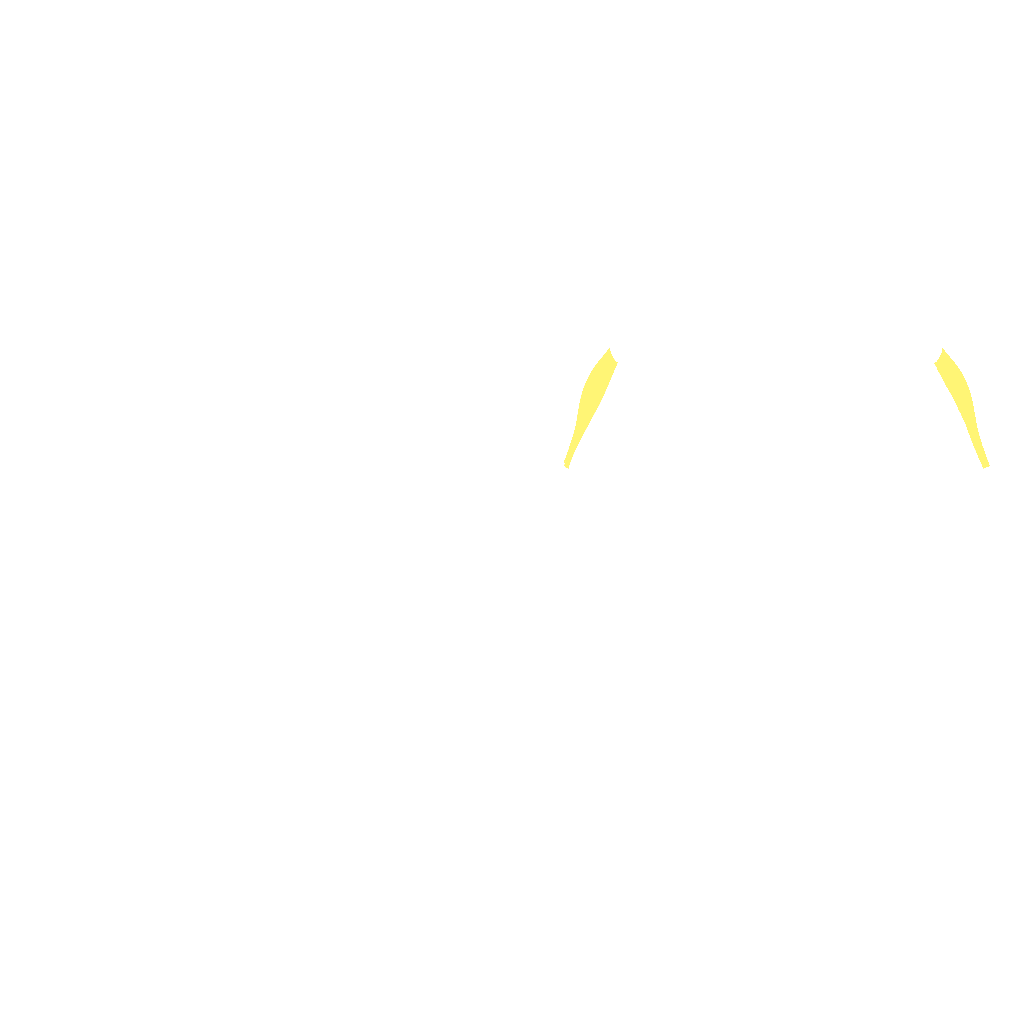




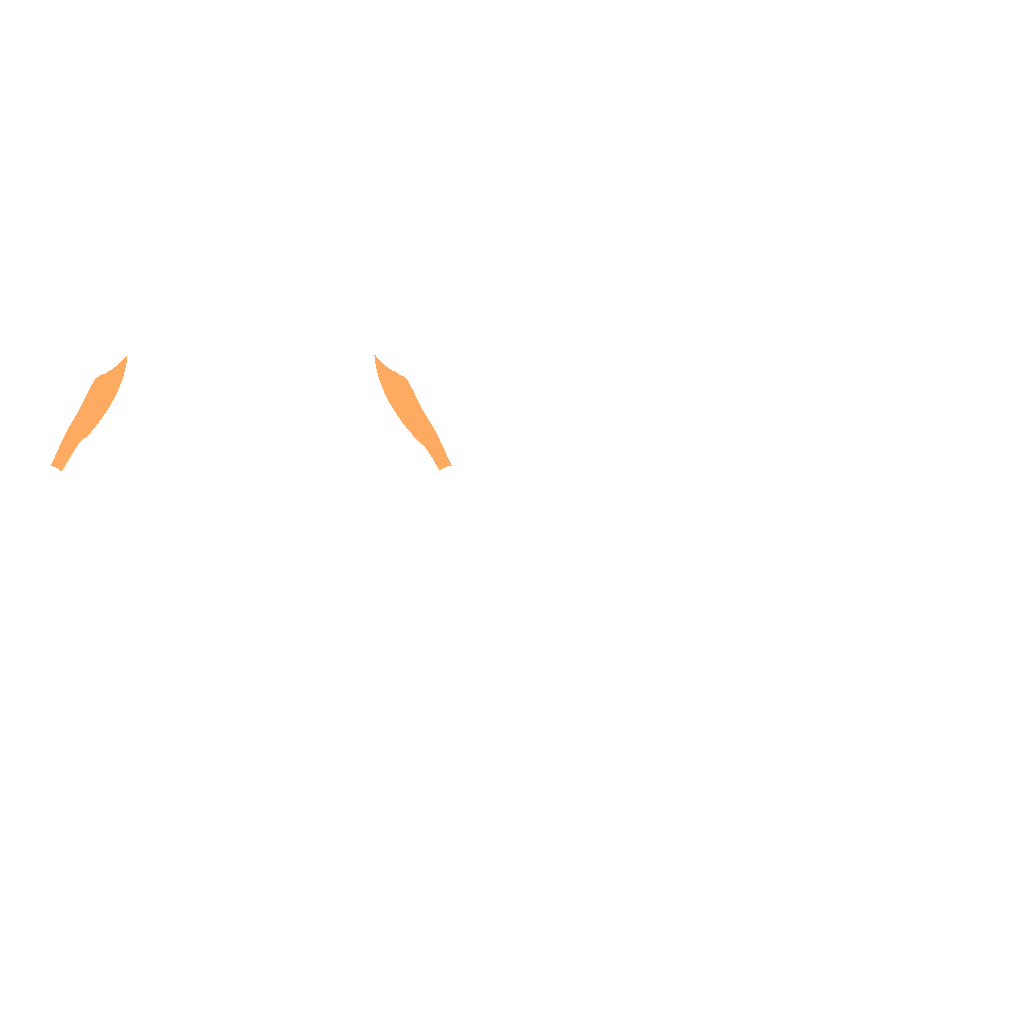
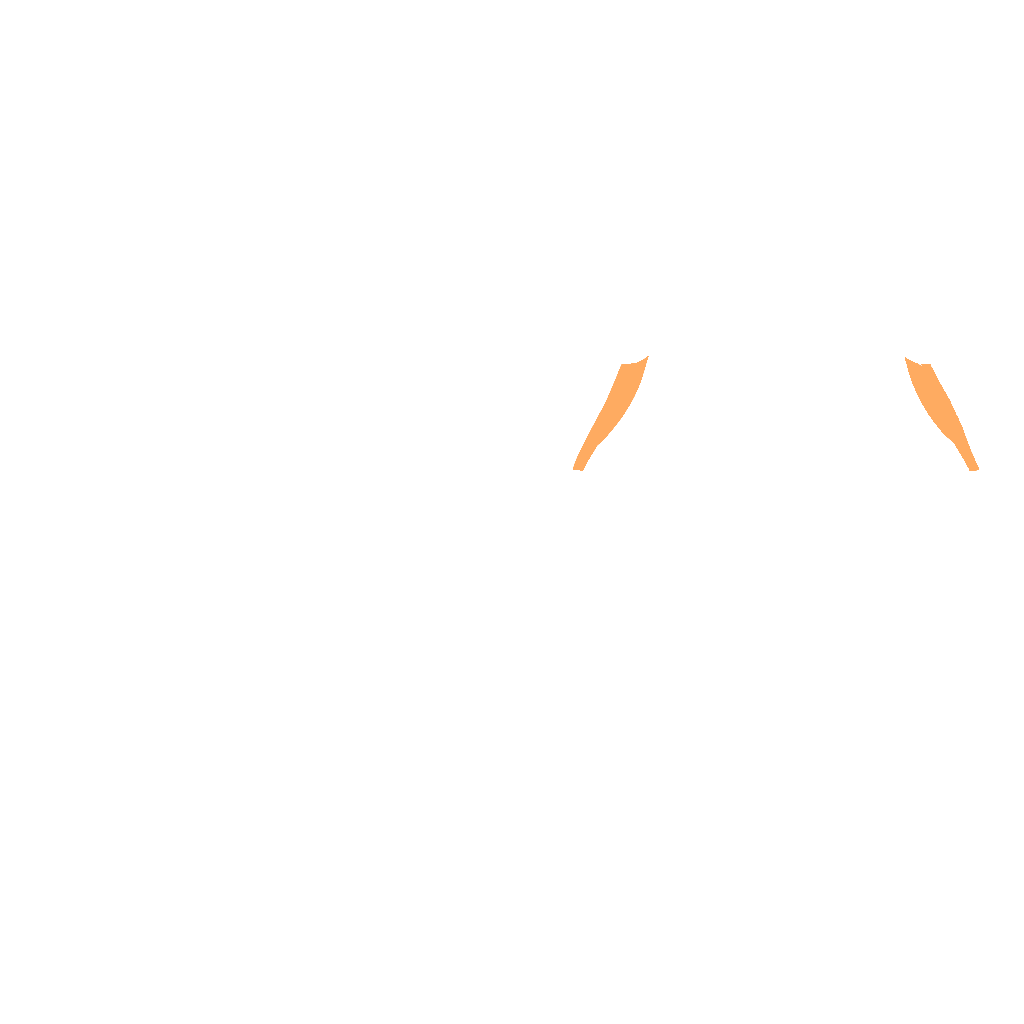


- Target
- Latissimus Dorsi, Trapezius Middle
- Secondary
- Trapezius Lower, Deltoid Posterior, Biceps Brachii Long Head, Biceps Brachii Short Head, Brachioradialis
- Tertiary
- Erector Spinae, Infraspinatus, Extensors
How to do it
- 1
Set a heavy dumbbell beside a flat bench and brace your non-working hand on the bench with both feet on the floor in a staggered stance.
- 2
Hinge so your torso is a little above parallel to the floor and let the dumbbell hang at full stretch.
- 3
Drive your elbow up and back toward your hip, allowing a slight controlled body english to keep the dumbbell moving.
- 4
Squeeze the lat and mid-back hard at the top with the dumbbell near your waist.
- 5
Lower under control to a full stretch and repeat for high reps before switching sides.
Tips
- Use straps so grip failure never cuts a set short before the back is worked.
- Let the hips help, but keep the spine neutral and never round the lower back.
- Chase reps at a fixed weight rather than sloppy heaves at a heavier one.
Variations
Common mistakes
- The switch to the other arm happens right after finishing the first side, without enough recovery, so the second side never gets the same quality of work as the first.
- The dumbbell drifts out and away from the body on the way up instead of staying close, turning some of the pull into a shoulder-dominant movement instead of a back one.
- The head cranks up to watch the dumbbell instead of staying in line with the spine, adding neck strain during a set that already asks a lot of the whole back.
- Once the supporting hand loses its brace on the bench or the feet shift, the whole set turns unstable right as the loads involved are at their heaviest.
- The stretch at the bottom of each rep shortens as the set drags on into higher reps, quietly trading real range for a faster rep count.
Frequently asked
- What is a sensible starting dose for the Kroc row, and what should you already be strong at?
- Work up to 2 to 3 sets of 15 to 20 controlled reps per side with straps, treating it as a high-rep finisher rather than a low-rep strength lift. You should already own a strict single-arm dumbbell row with a neutral spine before adding the hip drive and heavier weight that define this variation.
- What can replace a bench for the Kroc row if you do not have one?
- A sturdy box, step, or the edge of a stable chair works fine as the support point for the free hand. Without any elevated surface, a standing single-arm dumbbell row with a hip hinge and the free hand braced on the thigh trains a similar pattern, though with less back support.
- What is the Kroc row good for, and who should not attempt it yet?
- It is a mass and strength builder for the lats, mid traps, and grip, using heavier loads and higher reps than a strict row to pile on back volume fast for lifters who already move well. It is the wrong choice for anyone still learning to hinge and row with a neutral spine, since the loose, momentum-assisted style this exercise uses can mask or worsen sloppy technique.
Related exercises
Other movements among FitRay's 2,000+ exercises that load the same target muscle — same equipment and level first.
- AdvancedDumbbell Renegade Row to PressDumbbell · Back · Shoulder
- AdvancedMan MakerDumbbell · Back · Shoulder
- AdvancedManmaker-to-SquatDumbbell · Quads · Shoulder
- AdvancedRenegade RowDumbbell · Abs · Back
- AdvancedRenegade Row BurpeeDumbbell · Chest · Lats
- BeginnerIncline Bench Dumbbell RowBench · Dumbbell · Back