Ladder Hopscotch
Working up an agility ladder, you jump both feet out to straddle a rung, then hop into the next box on one foot, mimicking the classic hopscotch rhythm. It builds reactive foot speed, ankle stiffness, and single-leg landing control, all with a light plyometric demand on the calves and quads. Keep it crisp and quiet as a warm-up or footwork primer.
- Equipment
- Agility Gear
- Type
- Cardio, Plyometric
- Browse by muscle
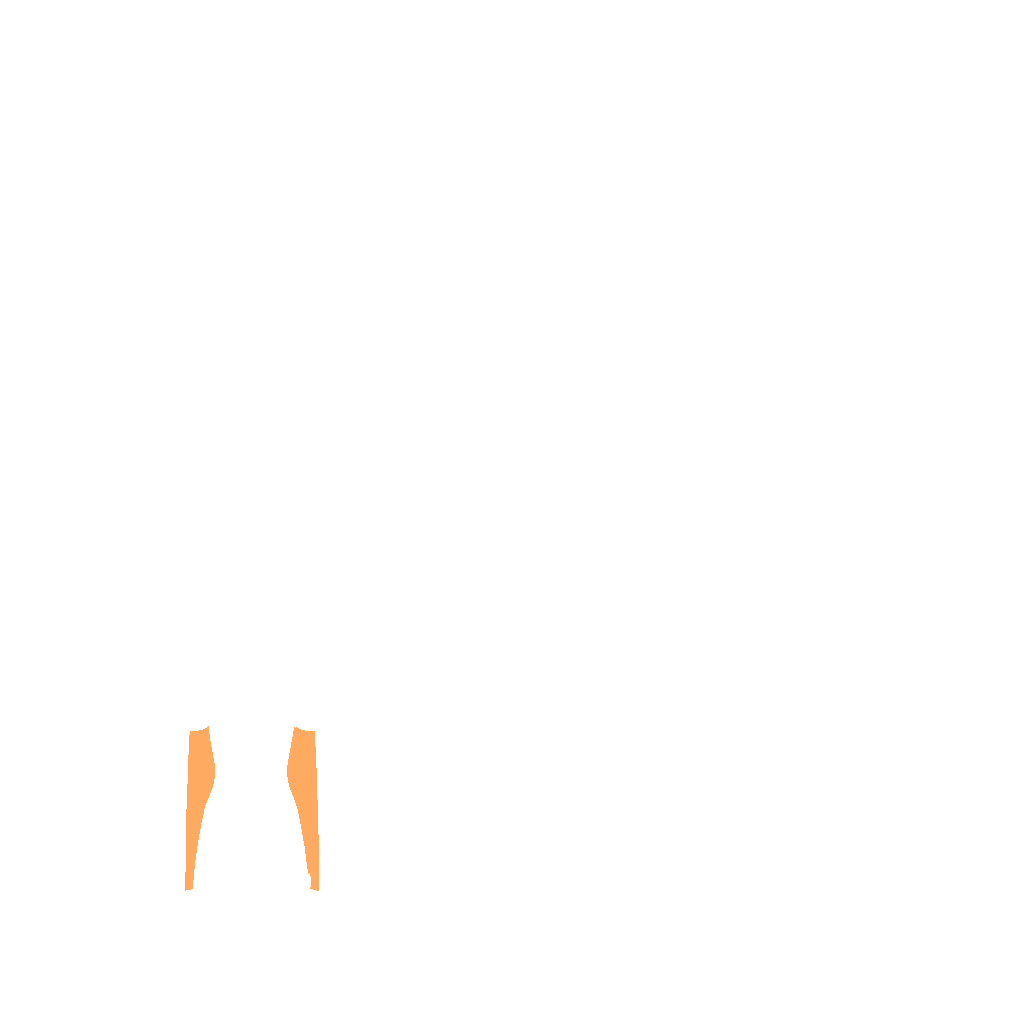
- Gastrocnemius Lateral Head, Gastrocnemius Medial Head, Rectus Femoris
- Browse by movement
- Gait Drill








- Target
- Gastrocnemius Lateral Head, Gastrocnemius Medial Head, Rectus Femoris
- Secondary
- Soleus Gastrocnemius, Vastus Lateralis, Gluteus Medius
- Tertiary
- Abdominal External Oblique, Fibularis Longus
How to do it
- 1
Stand at the base of the agility ladder with feet together.
- 2
Jump forward and land with both feet straddling outside the first box.
- 3
Hop forward into the next box landing on one foot.
- 4
Jump again to straddle the following rung with both feet outside.
- 5
Continue alternating straddle and single-foot landings up the whole ladder.
- 6
Stay on the balls of your feet and keep contacts light and rhythmic.
Tips
- Absorb each landing with a soft knee and a stiff, springy ankle.
- Keep your eyes up and feel the rungs rather than staring down at your feet.
- Land quietly; noise means you are crashing down instead of springing.
- Alternate which foot takes the single-leg landing on successive passes.
Variations
Common mistakes
- The single-leg landing arrives flat with the knee swinging inward, which is the landing the drill exists to train and the one a knee likes least; land on the ball of the foot with the knee over the toes.
- The straddle jump lands with one foot ahead of the other, so the hips turn slightly and the next hop starts off balance; both feet should touch down together outside the rung.
- Forward travel takes over and each jump becomes a long leap up the ladder, which turns a quick rhythm drill into a series of broad jumps with nothing quick about it.
- The supporting ankle rolls out when the single-leg landing catches a rung instead of the box, which is the one way this friendly drill turns an ankle; aim the foot for the middle of the space.
- Passes keep coming until the calves are burning, and a tired hop is a flat hop; six to eight trips with a walk back between them is plenty for a drill built on spring.
Frequently asked
- How many passes of ladder hopscotch should a beginner do?
- A pass is only about ten contacts, so four to six of them makes a session, and you change which foot takes the single-leg landings before each one. Rest for as long as the walk back takes, because this drill is about landing quality rather than breathlessness. It fits two or three times a week in a warm-up or a footwork block. Progress by moving faster and more quietly through the same passes, then by going up and straight back down, and stop when the landings start to thud.
- What can I use instead of an agility ladder for hopscotch?
- Chalk a real hopscotch court on a driveway, since the playground game is the drill. Paving slabs, the square tiles of a gym floor, or a row of chalk boxes all give the same spacing, and two ropes laid parallel with tape crossbars make a serviceable ladder. With nothing to mark, work the rhythm over a single line: straddle jump over it, hop forward on one foot, repeat, counting the contacts so the steps stay the same length.
- What is ladder hopscotch good for, and when should I skip it?
- It builds quick feet, ankle stiffness and single-leg landing control in a light, low-risk package, which makes it a good opener before court sports and a gentle introduction to landing on one leg. It is not a power drill, so if you want jump height, single-leg bounds and squat strength do that job. Skip it while shins, calves or an Achilles are sore, since a pass is a string of fast forefoot contacts, and leave it out if a single-leg landing pinches a knee.
Related exercises
Other movements among FitRay's 2,000+ exercises that load the same target muscle — same equipment and level first.
- BeginnerLadder SlalomAgility Gear · Calves · Quads
- BeginnerZigzag Cone RunAgility Gear · Glutes · Quads
- IntermediateBox DrillAgility Gear · Glutes · Quads
- AdvancedContinuous Hurdle BoundAgility Gear · Glutes · Quads
- AdvancedHurdle Hop to SprintAgility Gear · Glutes · Quads
- IntermediateIckey ShuffleAgility Gear · Calves · Glutes