Ladder In-In-Out-Out
The in-in-out-out drill trains rapid foot turnover and precise placement as you plant both feet inside a ladder box and then step both feet out to straddle the ladder beside the next box. It develops the quick, light contacts that translate to faster acceleration and reactive footwork. No physical ladder is required to train the pattern; marks on the ground work just as well. It suits anyone building foot speed and rhythm.
- Equipment
- Agility Gear
- Type
- Cardio, Functional
- Browse by muscle
- Rectus Femoris, Vastus Lateralis, Gastrocnemius Medial Head, Gastrocnemius Lateral Head
- Browse by movement
- Gait Drill





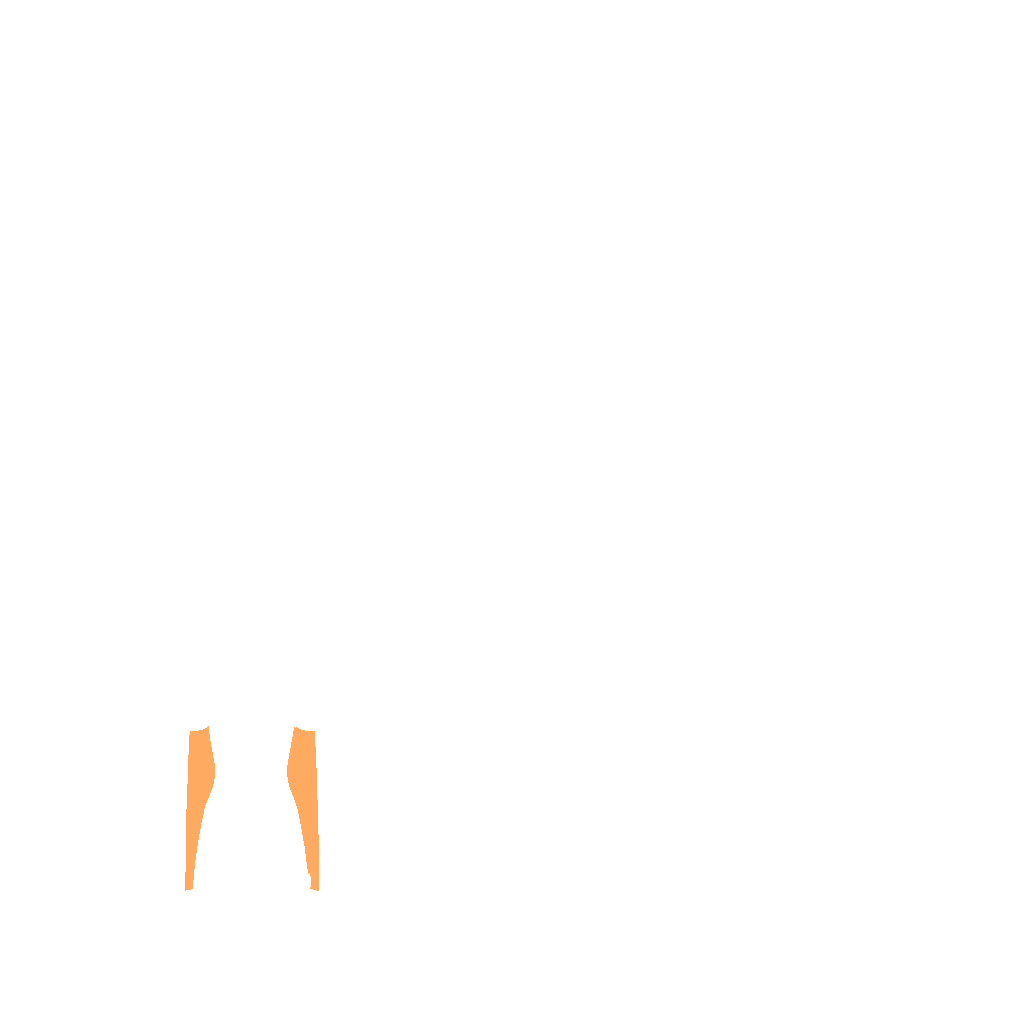








- Target
- Rectus Femoris, Vastus Lateralis, Gastrocnemius Medial Head, Gastrocnemius Lateral Head
- Secondary
- Soleus Gastrocnemius, Tibialis Anterior, Gluteus Medius, Gluteus Maximus, Fibularis Longus
- Tertiary
- Biceps Femoris, Semitendinosus, Abdominal External Oblique
How to do it
- 1
Stand facing the length of the ladder in an athletic stance on the balls of your feet.
- 2
Step the lead foot into the first box, then bring the trailing foot in beside it.
- 3
Step the lead foot out and forward to the outside of the next box, then bring the trailing foot out.
- 4
Immediately step back in with both feet into the following box.
- 5
Keep the contacts quick and light, pumping the arms to hold your rhythm.
- 6
Work down the full ladder, then reset and repeat for the prescribed rounds.
Tips
- Stay on the balls of your feet and keep the ground contacts short to maximize turnover speed.
- Look up and forward rather than staring at your feet once you know the pattern.
- Keep the steps compact; overstriding slows you down and snags the ladder.
Variations
Common mistakes
- The same foot leads every single pass, so one side gets fluent and the other never learns the sequence. Alternate the lead foot each trip down the ladder.
- The out-steps get narrower until both feet land almost on the side rails instead of straddling the ladder, which removes the lateral half of the pattern.
- Both feet land in the box at the same time, turning four separate contacts into two hops and halving the turnover the drill is supposed to build.
- The hips travel forward faster than the feet, so you end up leaning out over the ladder and dragging the rungs along with your toes.
- The arms are held still while the feet fly, and the top half of the body ends up fighting the bottom half for balance.
Frequently asked
- How many times should you run the in-in-out-out drill when you are new to the exercise?
- Four to six passes down the ladder, alternating which foot leads, with the walk back to the start as your rest. Each pass is only 20 to 30 seconds of work, which is the right length for a drill that lives or dies on foot speed. Walk the pattern once or twice first so the sequence is automatic. Progress by running the same number of passes faster rather than by adding passes, and treat it as preparation two or three times a week rather than a workout in its own right.
- What can I use instead of an agility ladder for this drill?
- Chalk marks, strips of tape, or the lines of floor tiles all give you the same reference, and the pattern works with no markings at all if you count the steps and keep them the same size. Court lines and the joints in a concrete sidewalk are ready-made ladders. The one thing a real ladder gives you that improvised marks do not is a penalty for a sloppy step, so if you are working off tape, film a pass now and then to check your feet are landing where you think they are.
- What is the in-in-out-out ladder drill good for, and what will it not do?
- It builds quick, precise foot placement and gives the calves and ankles a light dose of fast contacts, which makes it a good opener before sprinting or a court session. What it will not do is make you faster over 40 yards, because straight-line speed comes from force into the ground and a ladder never asks for that. Treat it as coordination, not training. Skip it while your calves or Achilles are sore, since it is a lot of quick forefoot contacts, and keep it short on days with hard sprints or jumps so it does not eat into the real work.
Related exercises
Other movements among FitRay's 2,000+ exercises that load the same target muscle — same equipment and level first.
- IntermediateBox DrillAgility Gear · Glutes · Quads
- IntermediateIckey ShuffleAgility Gear · Calves · Glutes
- IntermediateLadder Ali ShuffleAgility Gear · Calves · Quads
- IntermediateLadder Crossover ShuffleAgility Gear · Glutes · Quads
- IntermediateLadder Lateral ShuffleAgility Gear · Calves · Glutes
- IntermediateLateral Hurdle HopAgility Gear · Glutes · Quads