Meadows Row
Created by the late John Meadows, this row has you stand perpendicular to a landmine bar and pull one end with an overhand grip. The staggered stance and pronated grip create a huge stretch and a unique loaded-carry feel on the lats and upper back, with the obliques bracing hard against rotation. It's an advanced accessory for lifters who already own the basic rows.
- Type
- Strength
- Browse by muscle
- Latissimus Dorsi, Trapezius Middle
- Browse by movement
- Horizontal Pull









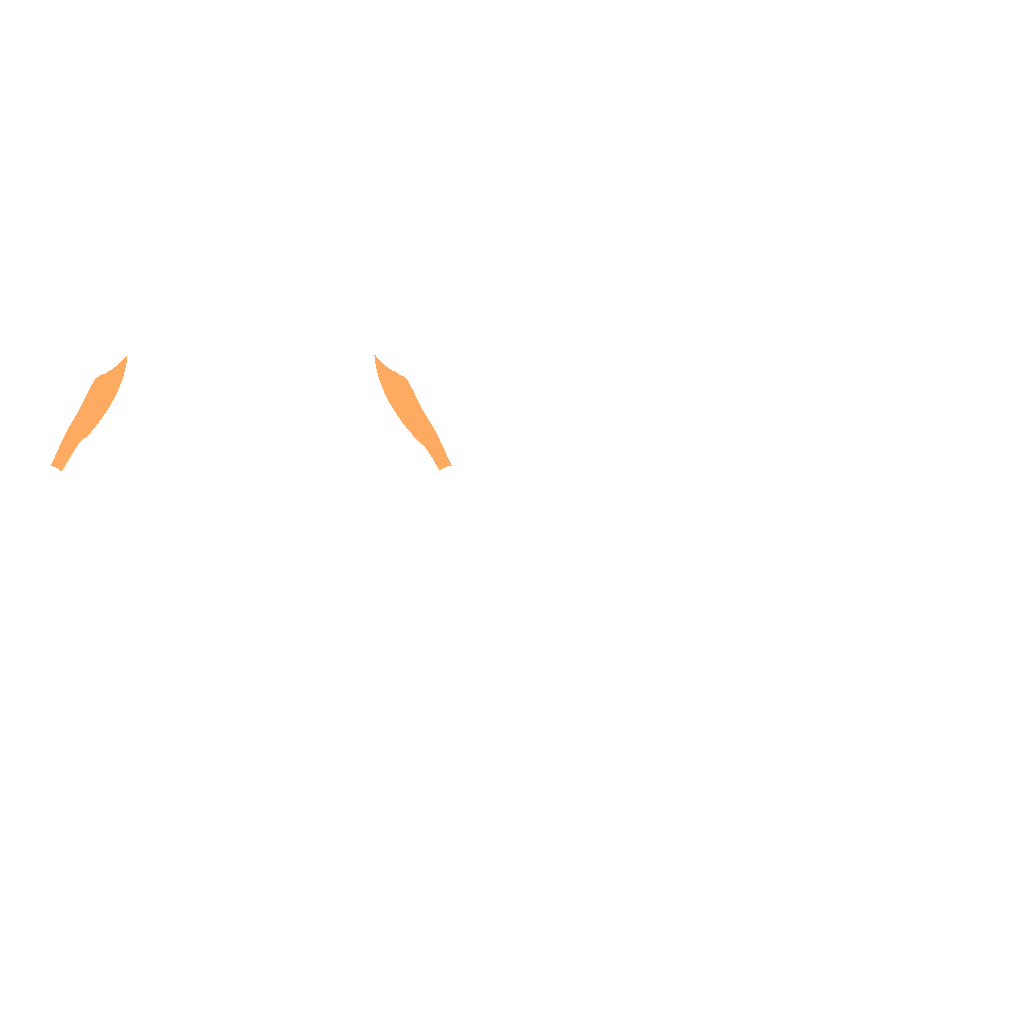
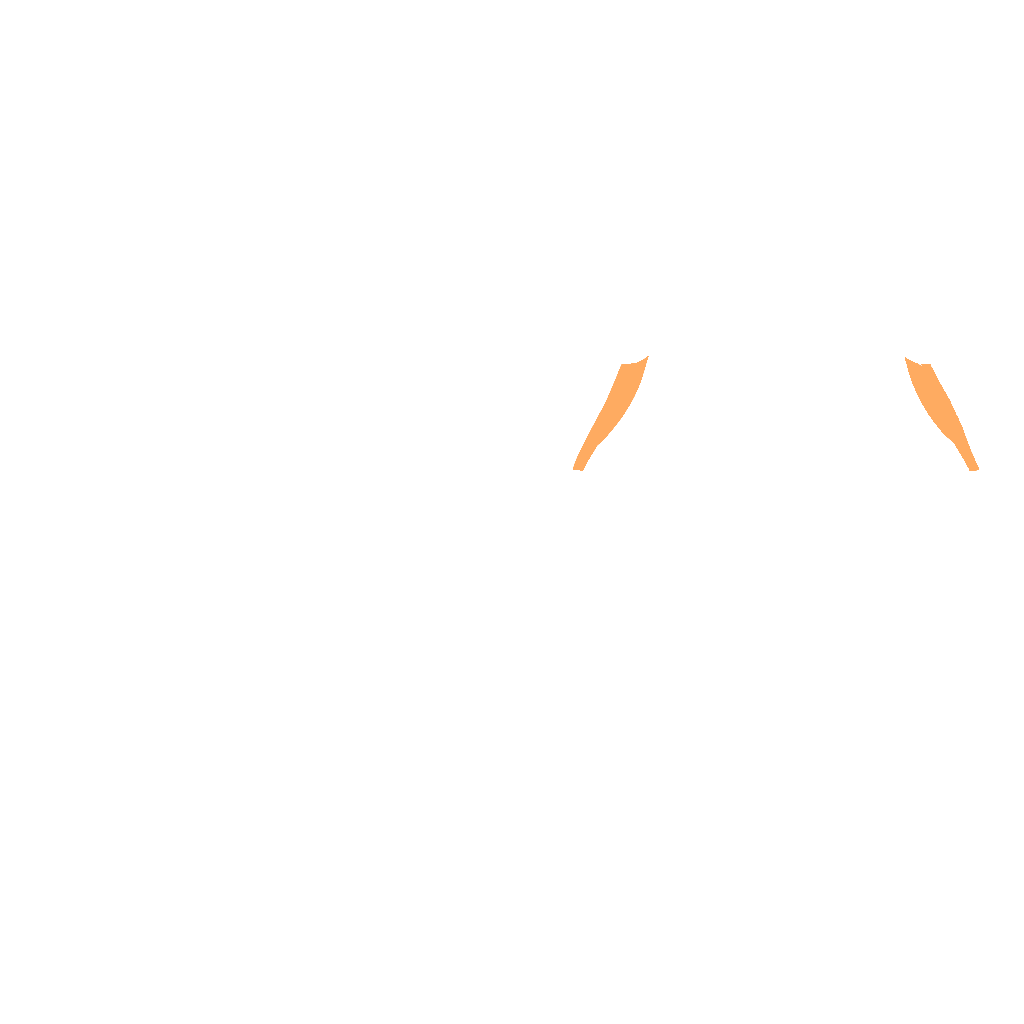


- Target
- Latissimus Dorsi, Trapezius Middle
- Secondary
- Trapezius Lower, Deltoid Posterior, Infraspinatus, Biceps Brachii Long Head, Biceps Brachii Short Head, Brachioradialis
- Tertiary
- Erector Spinae, Abdominal External Oblique
How to do it
- 1
Load one end of a barbell in a landmine and stand perpendicular to it in a staggered stance.
- 2
Hinge over and grip the very end of the bar with a pronated (overhand) grip.
- 3
Support your free hand on your thigh and set a flat, braced back.
- 4
Row the bar end up and back toward your hip, letting the shoulder stretch forward at the bottom.
- 5
Squeeze the lat and mid-back at the top, then lower under control to a full stretch.
- 6
Finish all reps on one side before switching.
Tips
- Let the shoulder blade travel forward at the bottom for a deep lat stretch.
- Use straps if grip fails before the back does; grip is not the target here.
- Keep the hips square and resist twisting toward the working arm.
- Start light; the long lever and big stretch are humbling with heavy plates.
Variations
Common mistakes
- The hand slides down off the end onto the shaft to make the lever kinder, which quietly turns it into a different exercise; grip the very end, where the arc is longest.
- The free hand on the thigh turns into a spring, pushing the torso up a few inches on every rep, so part of the row is a one-arm press against your own leg.
- The elbow travels straight up into a shrug rather than back toward the hip, which is what happens when the plates are heavier than the position can hold.
- The plates end up directly over your foot at the bottom of each rep, so a hand that gives out drops the sleeve onto your toes; stand so the arc passes outside your foot.
- The torso sinks lower as the set goes on, and the extra range comes from the low back rounding rather than from the hips hinging further.
Frequently asked
- How many sets and reps of the Meadows row should I do?
- Three sets of 8 to 12 per side, as an accessory late in a pull session rather than as your main row. Start lighter than you expect, because the long lever and the stretch at the bottom make a modest load feel heavy in a hurry. Progress by adding reps at the same weight until you reach the top of the range on both sides, then add the smallest plate you have. Lead with the weaker side and give the stronger one the same reps, not more.
- What can I do instead of the Meadows row with no landmine attachment?
- Wedge one end of a barbell into a corner, with a towel around the end so it does not mark the wall, and the movement is unchanged. A one-arm dumbbell row done standing in a staggered stance, with the free hand on a bench and the palm facing back, gets close to the same pronated pull, though the dumbbell has no arc. A single-arm cable row from a low pulley keeps the constant tension and the anti-twist demand while giving up the stretch.
- What is the Meadows row good for, and who should skip it?
- The pronated grip on the end of a long lever creates a big stretch at the bottom and an unusual load on the lat and upper back, while the staggered stance makes the obliques work to stop you twisting, so it is an advanced accessory for lifters who already own the basic rows and want something different late in a session. Skip it if you are still learning to hinge, if a one-sided load makes your lower back complain, or if you have nowhere safe to anchor the bar. It is not a heavy strength lift, and the lever punishes chasing plates.
Related exercises
Other movements among FitRay's 2,000+ exercises that load the same target muscle — same equipment and level first.
- AdvancedPendlay RowBarbell · Back · Lats
- AdvancedSnatch-Grip Barbell RowBarbell · Back · Traps
- IntermediateBarbell Bent-Over RowBarbell · Back · Lats
- IntermediateChest-Supported T-Bar RowMachine · Plate · Back
- IntermediateFeet-Elevated Inverted RowBarbell · Bench · Back
- BeginnerInverted RowBarbell · Back · Lats