Medicine Ball Woodchop Throw
The woodchop throw trains the obliques to decelerate and then reverse a diagonal pattern at speed, the same chopping action used in swinging and striking sports. Starting the ball high on one side and firing it low across the body links the shoulders, trunk, and hips into one coordinated release. It builds rotational and anti-rotational power with almost no spinal loading, so it fits well as a power primer or core finisher.
- Equipment
- Medicine Ball
- Body part
- Abs
- Type
- Functional, Plyometric
- Browse by muscle
- Abdominal External Oblique
- Browse by movement
- Rotation




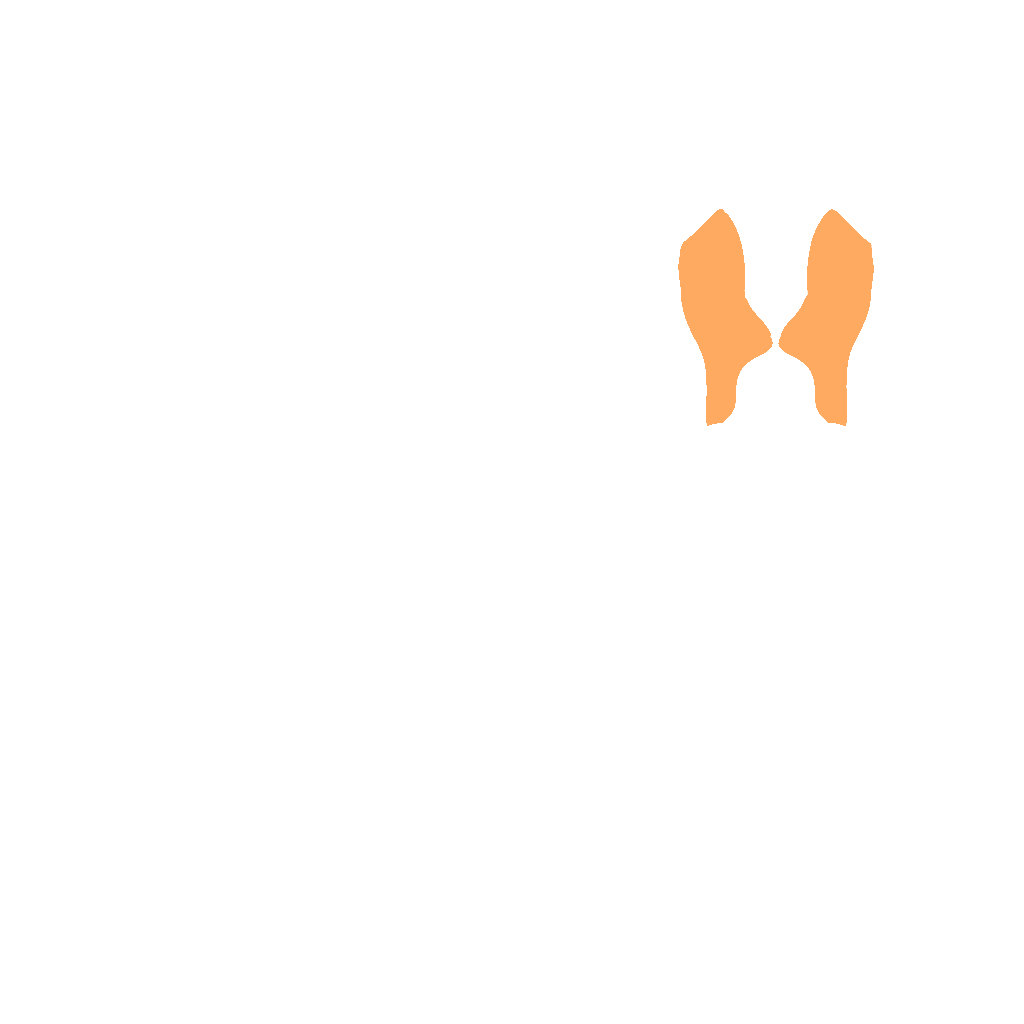



- Target
- Abdominal External Oblique
- Secondary
- Latissimus Dorsi, Gluteus Maximus, Upper Rectus Abdominals
- Tertiary
- Erector Spinae, Deltoid Anterior
How to do it
- 1
Stand side-on to a low wall target with feet shoulder-width and the ball held high above one shoulder.
- 2
Set a slight bend in the knees and brace the trunk.
- 3
Drive the ball down and across the body toward the opposite hip.
- 4
Rotate through the hips and let the rear heel pivot as you chop.
- 5
Release the ball into the low target as the trunk finishes facing down and across.
- 6
Catch or retrieve the ball, reset high, and repeat before switching sides.
Tips
- Start the chop from the hips and trunk, letting the arms follow the rotation.
- Keep the ribs down and the spine long rather than crunching over at the finish.
- Work both diagonals evenly to keep rotational power balanced side to side.
Variations
Common mistakes
- The rear foot stays flat and planted through the chop instead of letting the heel pivot, sending the rotational torque into the knee instead of the hip.
- The catch on a rebounding ball comes in with locked, straight elbows, which jars the wrists and shoulders instead of absorbing the impact through soft arms.
- Standing too close to the wall target turns a controlled throw into a fast, unpredictable rebound that's hard to catch safely.
- The target creeps higher up the wall over a session instead of staying low, drifting the whole chop's angle away from its intended downward path.
Frequently asked
- How many reps of the medicine ball woodchop throw should you do per side when you are new to the exercise?
- Work in sets of 5 to 6 throws per side, alternating diagonals evenly and resting enough between throws to keep each one close to full effort. Add sets before adding reps per set, since fatigue quickly slows the rotation this drill needs.
- What can you do instead of the medicine ball woodchop throw if you don't have a medicine ball?
- A cable or band woodchop trains the identical high-to-low diagonal pattern if you don't have a ball or a wall to throw against. With just bodyweight, a fast rotational chop motion still grooves the hip-and-trunk sequencing, just without the power output to measure.
- What is the medicine ball woodchop throw good for, and when should you skip it?
- It builds rotational and anti-rotational power with almost no spinal loading, making it a good power primer or core finisher. Skip it if you don't have a solid wall or open space to throw safely, or as a substitute for controlled rotational strength work under load.
Related exercises
Other movements among FitRay's 2,000+ exercises that load the same target muscle — same equipment and level first.
- IntermediateRussian TwistBody Weight · Medicine Ball · Abs
- IntermediateMedicine Ball Partner Rotational PassMedicine Ball · Abs
- IntermediateMedicine Ball Feet-Up Russian TwistMedicine Ball · Abs
- IntermediateMedicine Ball Punch ThrowMedicine Ball · Abs · Chest
- IntermediateMedicine Ball Rotational SlamMedicine Ball · Abs · Lats
- IntermediateMedicine Ball Rotational ThrowMedicine Ball · Abs