Medicine Ball Punch Throw
The punch throw teaches you to sequence a strike the way a boxer does: hips rotate, trunk turns, and the arm extends last to deliver the ball into a wall. It develops rotational and pressing power together and reinforces a connected, whole-body punch. Keep the ball light so the movement stays fast and the arm stays healthy.
- Equipment
- Medicine Ball
- Type
- Functional, Plyometric
- Browse by muscle
- Abdominal External Oblique, Pectoralis Major Sternocostal
- Browse by movement
- Horizontal Press, Rotation



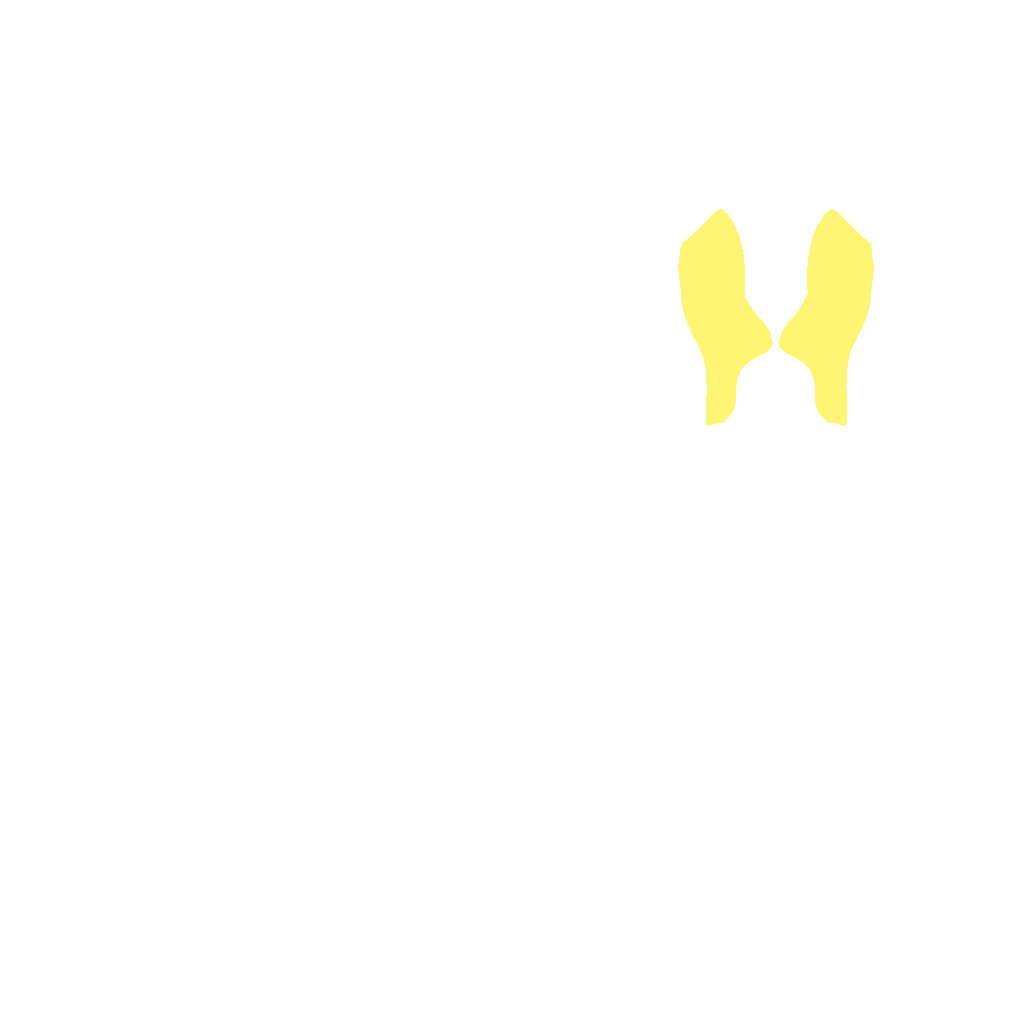






- Target
- Abdominal External Oblique, Pectoralis Major Sternocostal
- Secondary
- Deltoid Anterior, Triceps Brachii Long Head, Triceps Brachii Lateral Head, Gluteus Maximus
- Tertiary
- Erector Spinae, Latissimus Dorsi
How to do it
- 1
Stand side-on to a wall a few feet away, ball cupped in the rear hand near your shoulder.
- 2
Load into the back hip and keep your guard hand up.
- 3
Rotate the back hip and trunk toward the wall to start the throw.
- 4
Extend the arm last and punch the ball straight into the wall at chest height.
- 5
Catch or retrieve the rebound, reload, and complete the set before switching sides.
Tips
- Sequence hips first, then trunk, then arm for a connected punch.
- Keep the wrist and elbow firm so the throw is one clean drive.
- Pivot the back foot as you rotate to free the hip.
- Use a light ball and stay explosive; this is a power drill, not a grind.
Variations
Common mistakes
- The arm fires first while the hips are still square to the wall, reversing the hip-trunk-arm sequence the punch is built on.
- The guard hand drops to the side during the throw instead of staying up, a habit that carries over badly if this drill is meant to translate to real striking.
- The back foot stays flat and planted instead of pivoting with the hip, which locks the hip in place and caps how far it can rotate.
- The wrist bends loosely at contact instead of staying firm, turning one clean drive into a floppy push that bleeds power at the last instant.
- Loading a ball heavy enough to slow the throw into a grind trades the speed this power drill depends on for a load it was never meant to move.
- Catching the rebound with a stiff, locked elbow sends the impact straight into the elbow joint instead of absorbing it with a soft bend.
Frequently asked
- How many reps of the medicine ball punch throw should you do per side when you are new to the exercise?
- Do 3 sets of 6 to 8 throws per side, resting 45 to 60 seconds between sides so the sequencing stays sharp instead of sloppy. Add a set before adding reps, and keep the ball light enough that every throw still snaps.
- What can I use instead of a medicine ball for the punch throw?
- A resistance band anchored behind you at shoulder height, punched forward with the same hip-trunk-arm sequence, trains the identical pattern without a ball to catch. A light dumbbell pressed forward with a deliberate hip turn is another option if a wall or a ball isn't available.
- What is the medicine ball punch throw good for, and when should I skip it?
- It reinforces a connected, whole-body punching sequence while building rotational and pressing power together, which suits combat-sport athletes and anyone training rotational power for throwing. Skip it, or lighten the ball, if you have a shoulder or wrist issue that flares with impact, since both joints absorb some of the catch on every rep.
Related exercises
Other movements among FitRay's 2,000+ exercises that load the same target muscle — same equipment and level first.
- IntermediateRussian TwistBody Weight · Medicine Ball · Abs
- IntermediateMedicine Ball Partner Rotational PassMedicine Ball · Abs
- IntermediateMedicine Ball Bench Press ThrowBench · Medicine Ball · Chest
- IntermediateMedicine Ball Chest PassMedicine Ball · Chest
- IntermediateMedicine Ball Feet-Up Russian TwistMedicine Ball · Abs
- IntermediateMedicine Ball Rotational SlamMedicine Ball · Abs · Lats