Intermediate
Negative Dragon Flag
Lowering is far stronger than lifting, so eccentric reps let you handle the full straight-leg lever before you can raise it. This is the most effective bridge from the tuck flag to the full dragon flag. Fight for a slow four to six second descent on every rep.
- Equipment
- Bench
- Body part
- Abs
- Type
- Strength
- Browse by muscle
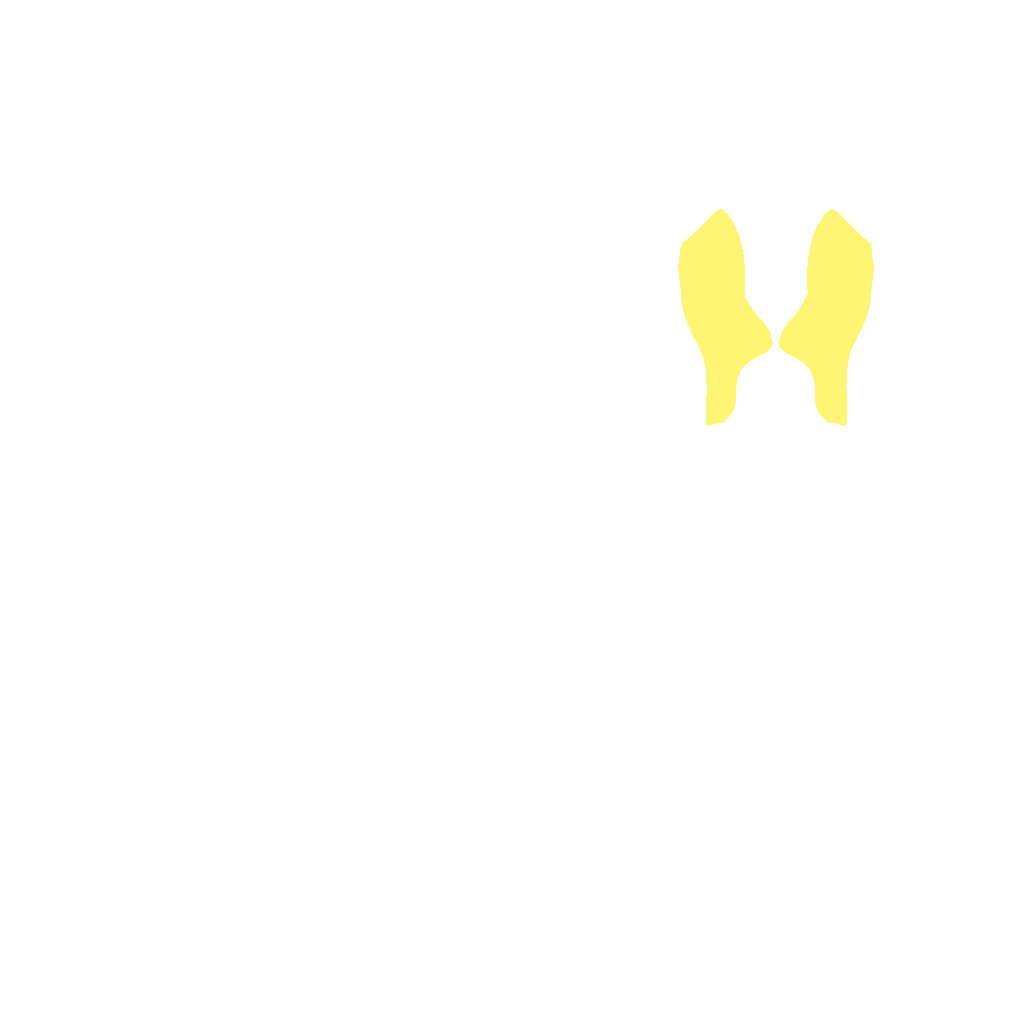
- Lower Rectus Abdominals, Upper Rectus Abdominals
- Browse by movement
- Core Brace








- Target
- Lower Rectus Abdominals, Upper Rectus Abdominals
- Secondary
- Rectus Femoris, Abdominal External Oblique
- Tertiary
- Latissimus Dorsi, Erector Spinae, Gluteus Maximus
How to do it
- 1
Grip a bench behind your head and kick up into a vertical straight-body position on your shoulders.
- 2
Set the body rigid from heels to shoulders with glutes and abs braced.
- 3
Lower the straight body toward the bench as slowly as you can control.
- 4
Resist all the way until you are just above the bench.
- 5
Bend the knees, reset to vertical, and repeat.
Tips
- Keep the legs straight during the lowering; only tuck to reset back to the top.
- The moment your hips sag or your back arches, you have lost tension, so shorten the negative.
- Point your toes and drive the heels away to feel the whole front line stay tight.
Variations
Common mistakes
- The descent starts fast and slows near the bottom, which is backwards: the top third is where you still have leverage, so that is where the control should look effortless.
- A hard kick into the start position carries the hips past vertical, and the first part of every descent is then spent recovering the line rather than resisting it.
- Coming back up with straight legs is an extra rep of work nobody planned for, so bend the knees to reset and keep the lowering as the only hard part of the set.
- A five-second descent is usually two seconds of control and three seconds of falling; film one set and you will see where the resistance stopped.
- Eccentric work leaves more soreness than most core training, and stacking it on back-to-back days is how people end up with a strained abdominal wall. Leave two days between sessions.
Frequently asked
- How many negative dragon flags should I do in a session?
- Four to six sets of 3 reps, with a four to six second descent on each, beats long sets, because eccentric-only work piles up fatigue quickly. Rest 90 seconds or more so every descent is genuinely controlled. Add a second to the lowering before you add reps, and once you can hold four seconds on all three reps of every set, try pulling one rep back up into a full flag.
- How do I make the negative dragon flag easier or harder?
- Easier: keep one knee tucked while the other leg stays straight, or stop the descent halfway and reset from there, which removes the weakest part of the range. Harder: stretch the descent to eight or ten seconds, pause two seconds a foot above the bench, or point the toes and reach the heels further away to lengthen the lever. Light ankle weights are the last step.
- What are negative dragon flags for?
- They exist to bridge the gap to the full dragon flag: you can resist far more than you can lift, so the eccentric lets you train the straight-leg lever months before you can raise it, and it builds blunt anti-extension strength along the way. They are a poor choice as everyday core work, because the soreness is real, and they should be skipped by anyone whose low back arches in the first second of the descent, since only a shorter lever fixes that.
Related exercises
Other movements among FitRay's 2,000+ exercises that load the same target muscle — same equipment and level first.