Partner-Assisted Figure-Four Piriformis Stretch
Crossing one ankle over the opposite knee and drawing the frame toward the chest is the classic way to stretch the glutes and deep hip rotators. A partner adds a steady, two-directional press that many people cannot generate on their own, opening the crossed knee while easing the legs closer. It helps relieve the deep-hip tightness that comes from lots of sitting.
- Equipment
- Body Weight
- Body part
- Glutes
- Type
- Stretching
- Browse by muscle
- Gluteus Maximus, Gluteus Medius


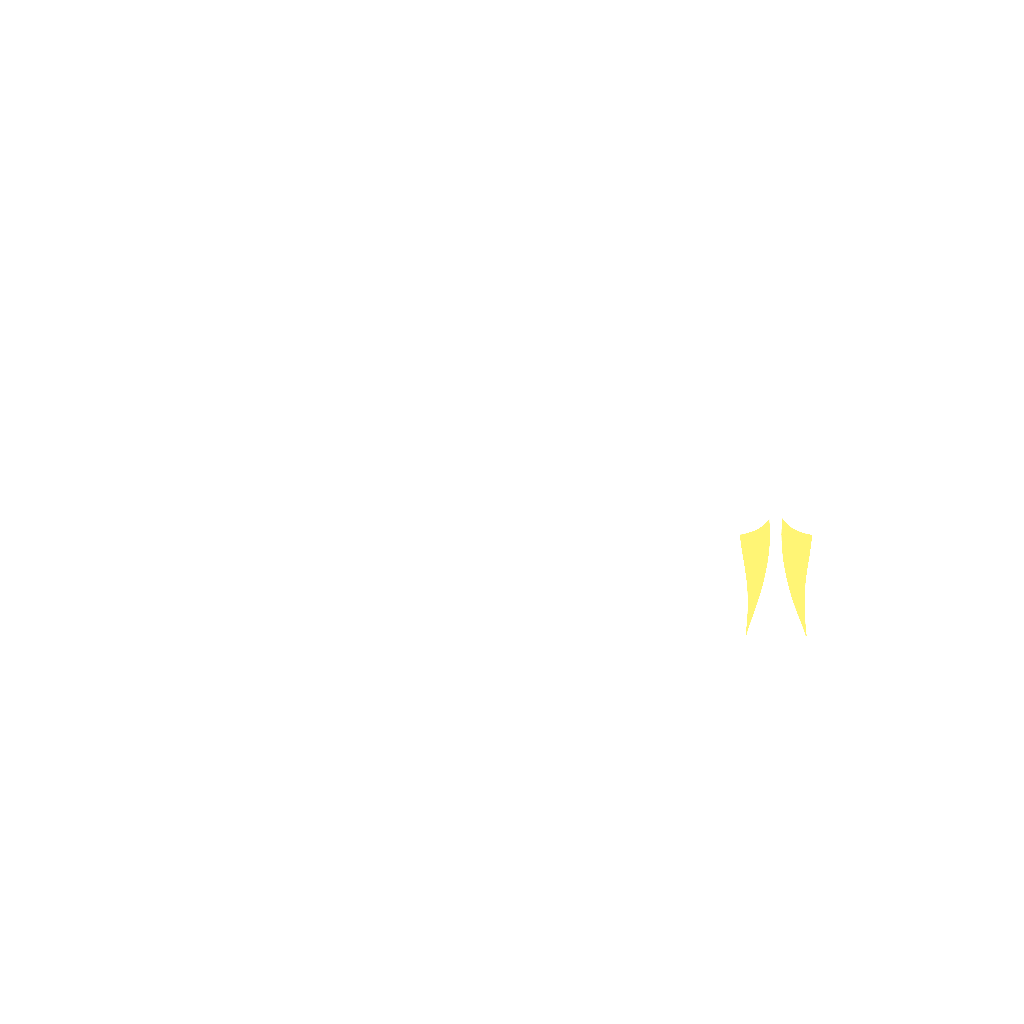

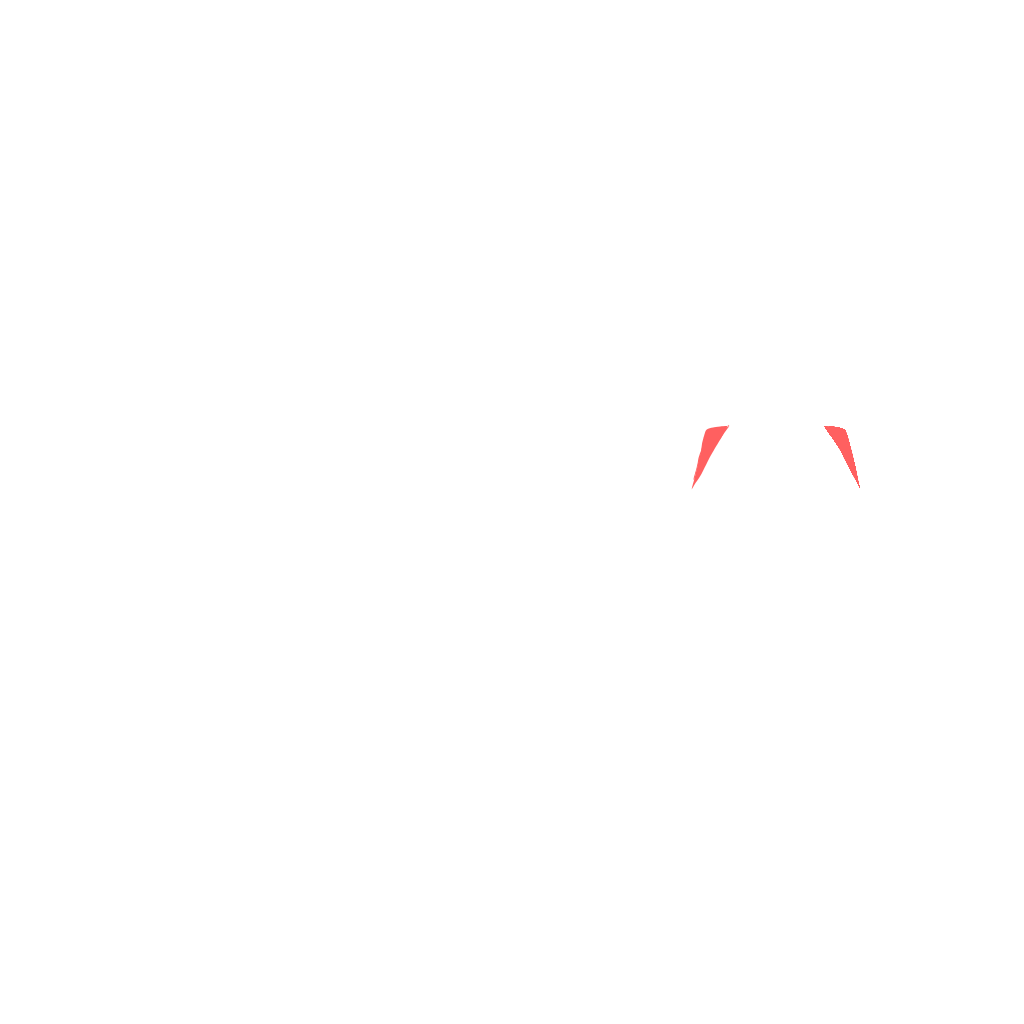
- Target
- Gluteus Maximus, Gluteus Medius
- Tertiary
- Adductor Magnus
How to do it
- 1
Have the trainee lie on their back and cross one ankle over the opposite thigh just above the knee, making a figure-four.
- 2
Kneel at the trainee's feet and take hold of the shin or back of the thigh of the supporting leg.
- 3
Place your other hand on the inside of the crossed knee.
- 4
Ask the trainee to exhale, then draw the supporting leg toward the chest while gently pressing the crossed knee open.
- 5
Hold for 20 to 30 seconds at a firm but comfortable stretch deep in the glute, then release slowly and switch sides.
- 6
Communicate throughout and stop if the trainee feels pain in the crossed knee rather than the glute.
Tips
- Press the crossed knee away while bringing the frame closer to reach the deep rotators.
- Keep the trainee's head and shoulders relaxed on the floor throughout.
- Advance the range slowly on the exhale; do not pulse or bounce.
- If the crossed-side knee complains, lighten the outward pressure and shorten the range.
Variations
Common mistakes
- Taking hold of the supporting leg at the ankle rather than the shin straightens that knee as you draw it in, and the trainee's hamstring complains long before the glute has felt anything.
- The crossed foot slides down toward the kneecap as the frame comes closer, and your outward press then lands on the side of that knee; reset it above the joint before adding pressure.
- Kneeling off to one side sends the push diagonally, so the trainee's pelvis peels off the mat instead of staying square; set up square to their feet.
- Lean in far enough and the tailbone lifts, at which point the low back is rounding and taking the stretch instead of the hip; keep their sacrum down and shorten the range.
- The trainee is asked how it feels once, at the start, and the hold then runs in silence; keep them talking, because the signal that matters, a change in sensation down the leg, only reaches you in words.
Frequently asked
- How long should the partner-assisted figure-four piriformis stretch be held?
- Twenty to thirty seconds per side, two passes each, with the partner spending the first five seconds arriving at the stretch rather than landing on it. Two passes is usually the limit: if the hip has given nothing by then, it will not today. Once or twice a week after lower-body training is sensible. Build range by letting the crossed knee open a little further across sessions, never by pressing harder inside one hold.
- What can I do instead of the partner-assisted figure-four piriformis stretch with no partner?
- The supine figure-four covers most of it: cross the ankle over the opposite thigh, lace your hands behind that thigh, and draw it toward you while your own elbow presses the crossed knee open. You lose the two-directional pressure, which is the main thing a partner adds, so make up for it with a longer hold. Sitting in a chair with the ankle crossed over the knee and hinging forward reaches the same muscle, and resting the supporting foot on a wall lets the wall replace the partner's pull.
- Why use a partner for the figure-four piriformis stretch instead of doing it alone?
- A partner can open the crossed knee and bring the frame closer at the same time, a combination most people cannot produce on themselves, and the trainee gets to go completely limp while it happens, which is why it turns up in coached sessions and for hips that have stopped responding to solo holds. It is the wrong choice with a partner who will not move slowly or ask questions, since the trainee is face-up and cannot see what is coming, and it is not the drill for anyone with symptoms running down the leg.
Related exercises
Other movements among FitRay's 2,000+ exercises that load the same target muscle — same equipment and level first.
- BeginnerGlute BridgeBody Weight · Glutes · Hamstring
- BeginnerLateral ShuffleBody Weight · Glutes · Quads
- Beginner90/90 Hip SwitchBody Weight · Glutes · Thighs
- BeginnerAcceleration Wall DriveBody Weight · Glutes · Quads
- BeginnerB-Stance Glute BridgeBody Weight · Glutes · Hamstring
- BeginnerBackpedalBody Weight · Glutes · Quads