Paused Front Squat
Pausing at the bottom of a front-loaded squat kills the stretch reflex and forces you to hold a tall, braced trunk under a load that is constantly trying to fold you forward. That builds ferocious upper-back and core position along with strength out of the deepest part of the range. It is a favorite for lifters chasing a stronger clean or a more upright, quad-dominant squat.
- Equipment
- Barbell
- Body part
- Quads
- Type
- Strength
- Browse by muscle
- Rectus Femoris, Vastus Lateralis
- Browse by movement
- Squat




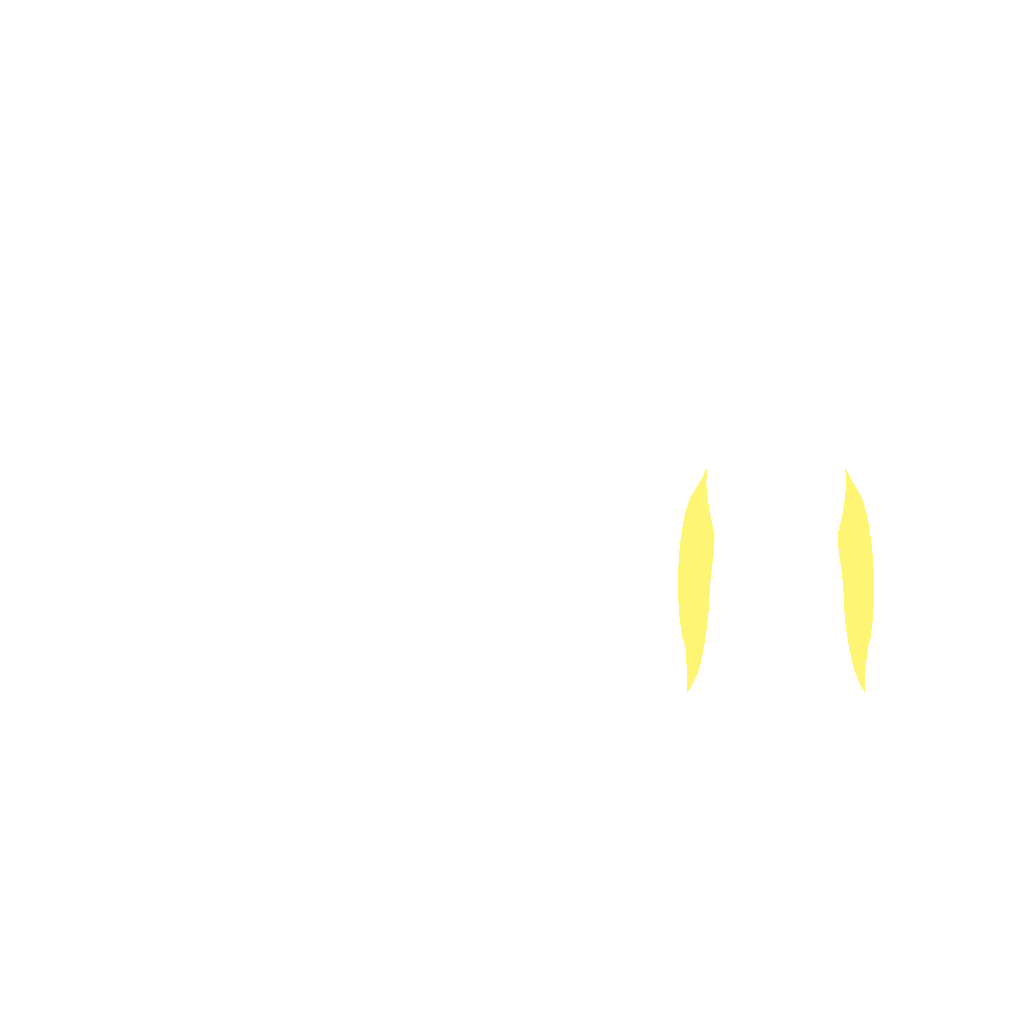

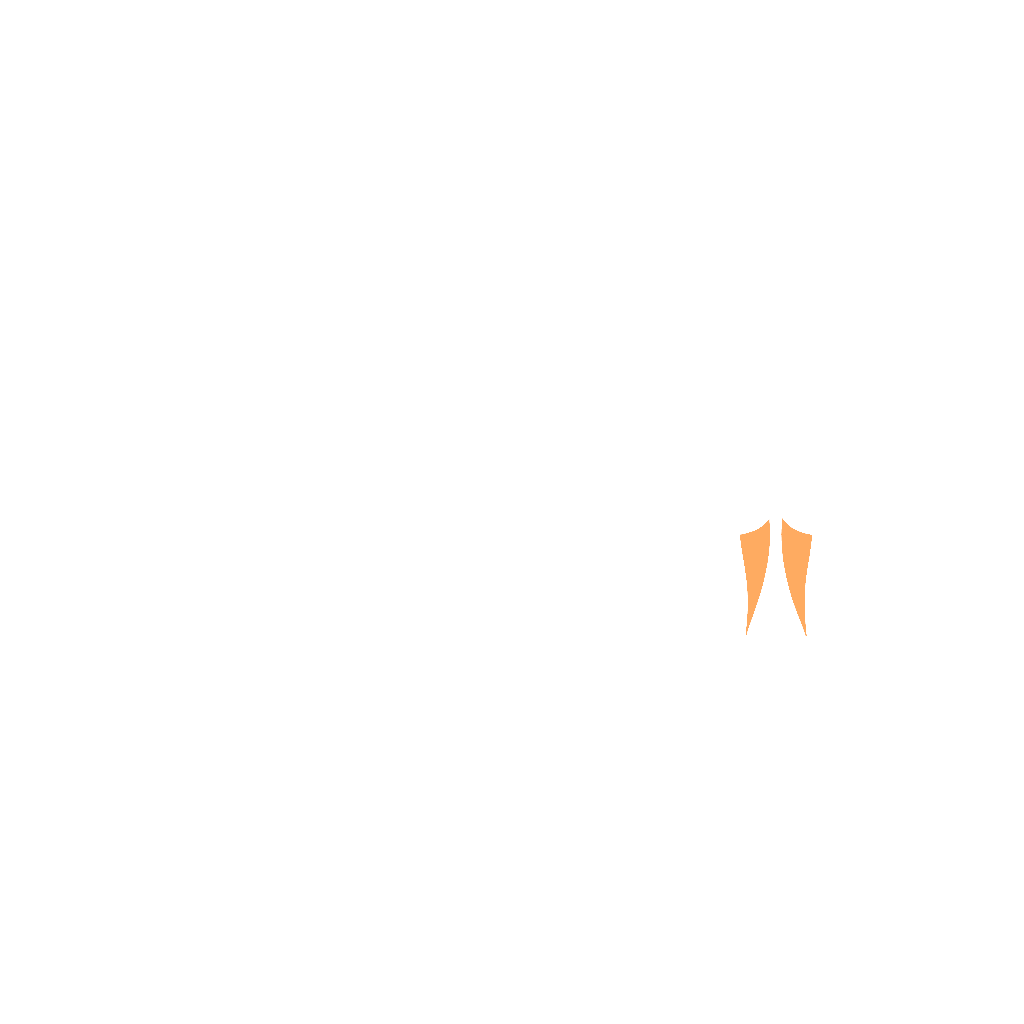



- Target
- Rectus Femoris, Vastus Lateralis
- Secondary
- Gluteus Maximus, Adductor Magnus, Erector Spinae
- Tertiary
- Upper Rectus Abdominals, Trapezius Middle, Biceps Femoris
How to do it
- 1
Rack the bar across the front delts in a clean grip or crossed-arm hold and unrack it.
- 2
Step back into a shoulder-width stance with the elbows driven high.
- 3
Take a big breath, brace, and squat straight down keeping the torso vertical.
- 4
Descend until the thighs pass parallel with the elbows still pointing forward.
- 5
Hold the bottom dead still for a two to three second count without letting the chest drop.
- 6
Drive through the mid-foot to stand tall, then reset your breath before the next rep.
Tips
- Fight to keep the elbows up during the pause; the instant they drop, the bar rolls and you fold.
- Stay braced and tall in the hole rather than relaxing onto your joints.
- Use a load you can hold in a perfect rack position for the full pause, not your top front squat.
Variations
Common mistakes
- Letting the bar creep forward across the hold. Nothing else appears to move over the two-count, but you start the ascent from a position you never braced for.
- Dropping one elbow lower than the other in a crossed-arm hold. The bar tips, one shoulder takes the load, and the rack usually fails on the next rep rather than this one.
- Fighting for a fourth second at the bottom while holding your breath and then grinding the stand. Keep the pause at the short end of the count once the set gets hard.
- Reaching for depth by tipping the pelvis under, then holding that rounded bottom dead still for three seconds. The pause makes a poor bottom position far more punishing than a fast rep would.
- Resetting the grip or bouncing the elbows during the hold. Any shuffle under the bar breaks the brace, and the front rack needs it more than the back rack does.
Frequently asked
- How many sets and reps of the paused front squat should you do when you are new to the exercise?
- Keep the reps low: three to four sets of two to four with a two-second pause. The front rack fatigues before the legs do, so long sets end with a rounded upper back rather than tired quads. Start well below your best front squat, closer to what you would use for a set of eight. Add a second to the pause before adding weight, and treat it as one of two front squat sessions a week at most.
- What can I do instead of the paused front squat if I have no barbell?
- A paused goblet squat with the heaviest kettlebell you have reproduces the front-loaded hold, and the elbows-to-thighs position gives you a clear depth marker. A paused landmine squat is the closest match if you have a bar but no rack, since the sleeve sits at the chest and you can drop it safely. Neither loads the upper back the way a barbell front rack does, which is part of what you are training here.
- What is the paused front squat good for and who is it for?
- It builds strength out of the deepest part of the squat while forcing the upper back and trunk to hold a tall position under a load that is constantly trying to fold you. Weightlifters chasing a stronger clean recovery get the most from it. It is a poor choice if your wrists, elbows or shoulders cannot hold a comfortable rack, because the pause turns a marginal rack position into a failed one, and it is not a first squat variation for a beginner.
Related exercises
Other movements among FitRay's 2,000+ exercises that load the same target muscle — same equipment and level first.