Power Snatch
The power snatch is the fastest bar-speed lift in the gym, sending the bar from floor to overhead in a single violent extension. The wide grip and long bar path make it the ultimate test of triple extension and overhead stability. It is unforgiving of technique, so build it patiently and treat it as skilled speed work, not a grind.
- Equipment
- Barbell
- Type
- Plyometric, Strength
- Browse by muscle
- Gluteus Maximus, Biceps Femoris, Erector Spinae, Trapezius Upper
- Browse by movement
- Hinge


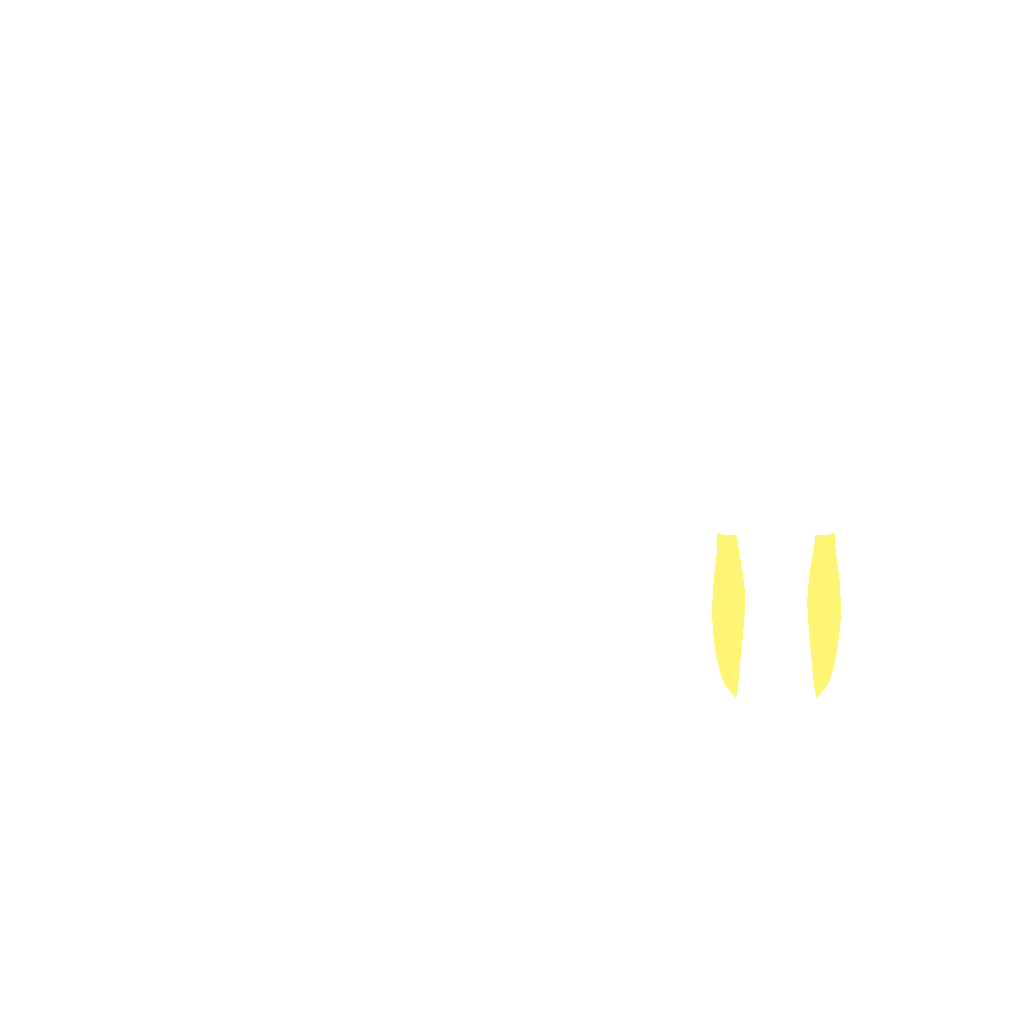
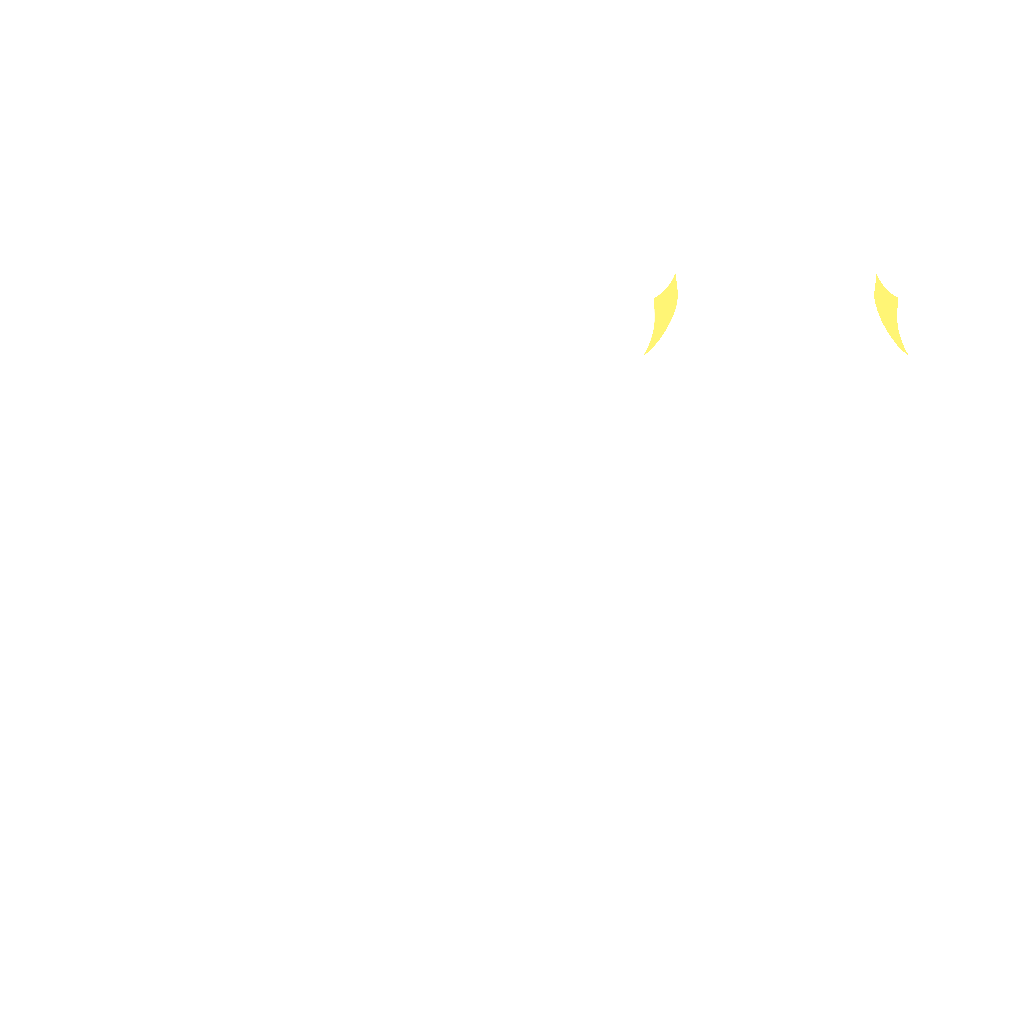









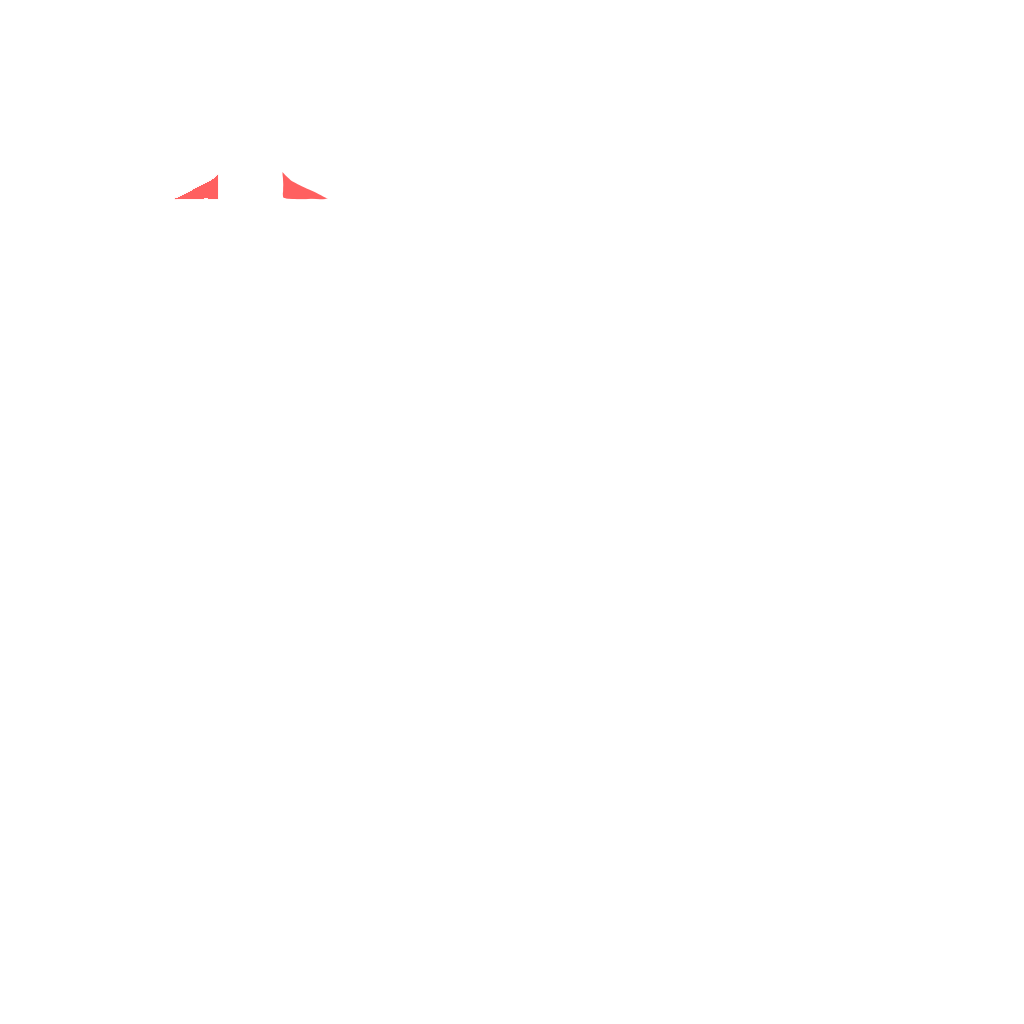

- Target
- Gluteus Maximus, Biceps Femoris, Erector Spinae, Trapezius Upper
- Secondary
- Vastus Lateralis, Rectus Femoris, Deltoid Anterior, Deltoid Middle, Trapezius Middle
- Tertiary
- Semitendinosus, Triceps Brachii Long Head, Abdominal External Oblique
How to do it
- 1
Set a wide snatch grip with the bar over mid-foot, hips low and chest up.
- 2
Take slack out of the bar and push the floor away, keeping the bar close to the legs.
- 3
As the bar reaches the hip crease, extend hips, knees, and ankles explosively and shrug.
- 4
Keep the bar traveling close to the body as you begin the pull under.
- 5
Punch the arms straight and catch the bar locked overhead in a partial overhead squat.
- 6
Stand tall with the bar balanced overhead, then return it under control.
Tips
- Contact the bar high on the hips, not the thighs, to keep the long pull vertical.
- Turn the elbows out and up on the pull under so you can punch into a fast lockout.
- Keep the head and chest tall in the catch; looking down collapses the overhead position.
Variations
Common mistakes
- The bar swings forward away from the body during the first pull off the floor, curving the whole bar path instead of keeping it close and vertical.
- Bar contact happens down at the thighs instead of higher on the hip crease, shortening the powerful part of the pull before it can finish.
- The head drops to look down at the bar during the catch, which collapses the chest and the overhead position at the exact moment it needs to be tallest.
- Some lifters muscle the bar up with a slow arm pull instead of trusting the hip extension to do the speed work, turning a snatch into a slow upright row.
- The overhead squat catch lands too deep, well past the shallow partial squat this lift is meant to use, because the bar wasn't pulled high enough first.
Frequently asked
- How many sets and reps of the power snatch should you do when you are new to the exercise?
- Work in sets of 2 to 3 reps for 5 sets with an empty bar or light plates, resting a full 2 to 3 minutes so every rep stays fast and technically clean. This is a skill lift before it's a strength lift, so build reps only after a coach or trusted video review confirms the bar path and catch look right.
- What can I do instead of the power snatch if I can't do a full snatch from the floor?
- The hang power snatch or the hang snatch removes the floor pull and lets you build the same overhead catch from a shorter, more manageable position. If a barbell snatch isn't available at all, a dumbbell hang snatch trains a similar explosive overhead pattern with far less technical demand.
- What is the power snatch good for and who should not attempt it?
- It is the fastest bar-speed lift available, building explosive triple extension and overhead stability that transfers to jumping, sprinting, and general athletic power. It is not a lift to self-teach; anyone without direct coaching or a strong Olympic-lifting background should build the hang variations first and get technique checked before loading a full snatch from the floor.
Related exercises
Other movements among FitRay's 2,000+ exercises that load the same target muscle — same equipment and level first.