Reclined Bound Angle Pose
Supta Baddha Konasana is one of the most forgiving restorative shapes, ideal for down-regulating after training or before sleep. Supported on a bolster it gently lengthens the adductors and opens the chest without any active effort. Use it as a recovery or breath-work position for any level.
- Equipment
- Body Weight
- Type
- Recovery, Stretching, Yoga
- Browse by muscle
- Adductor Longus, Adductor Magnus


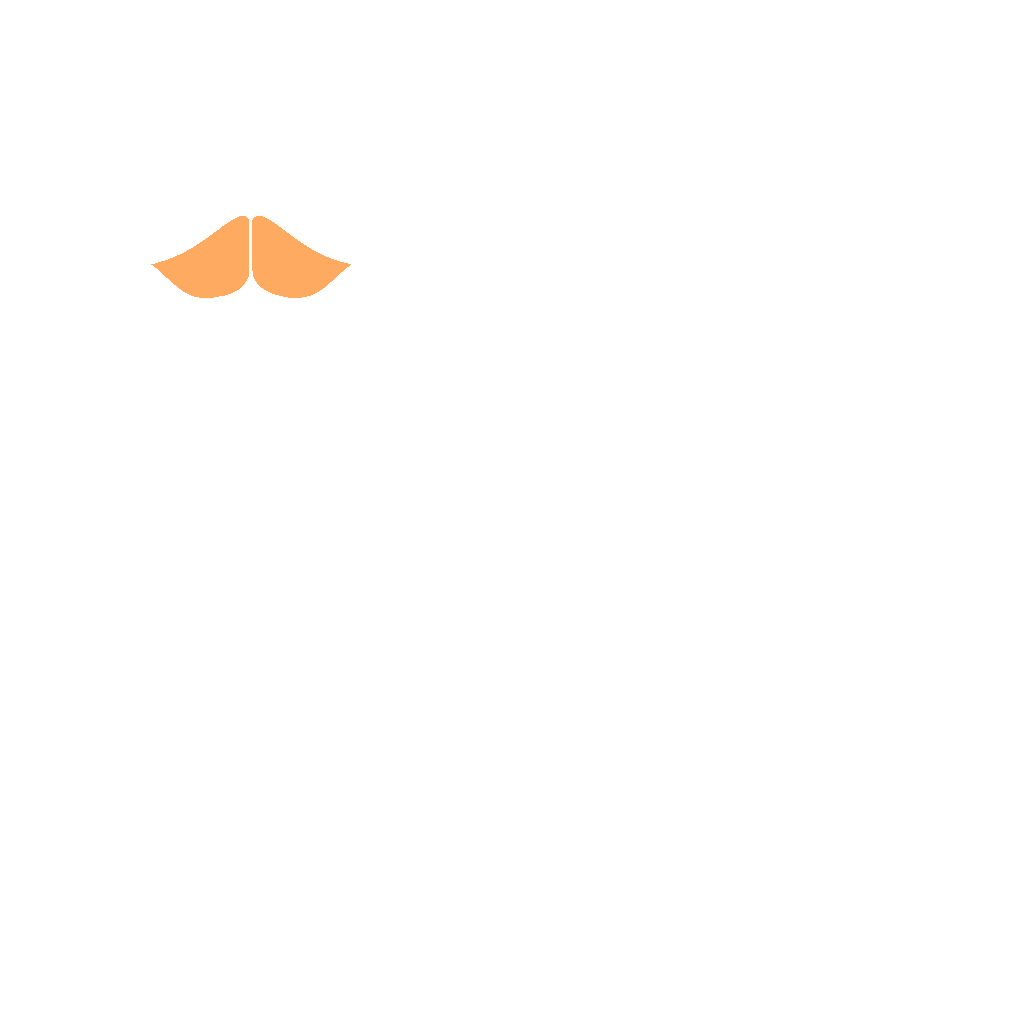
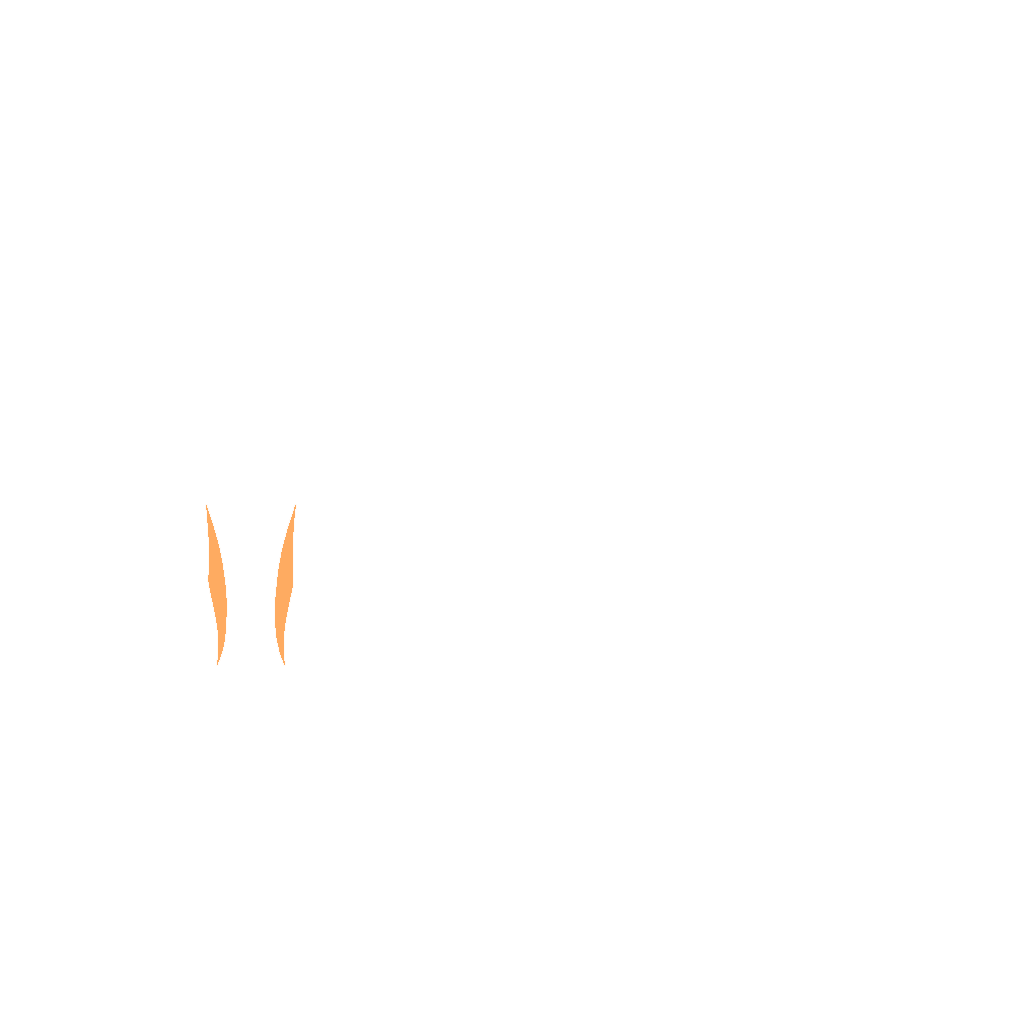
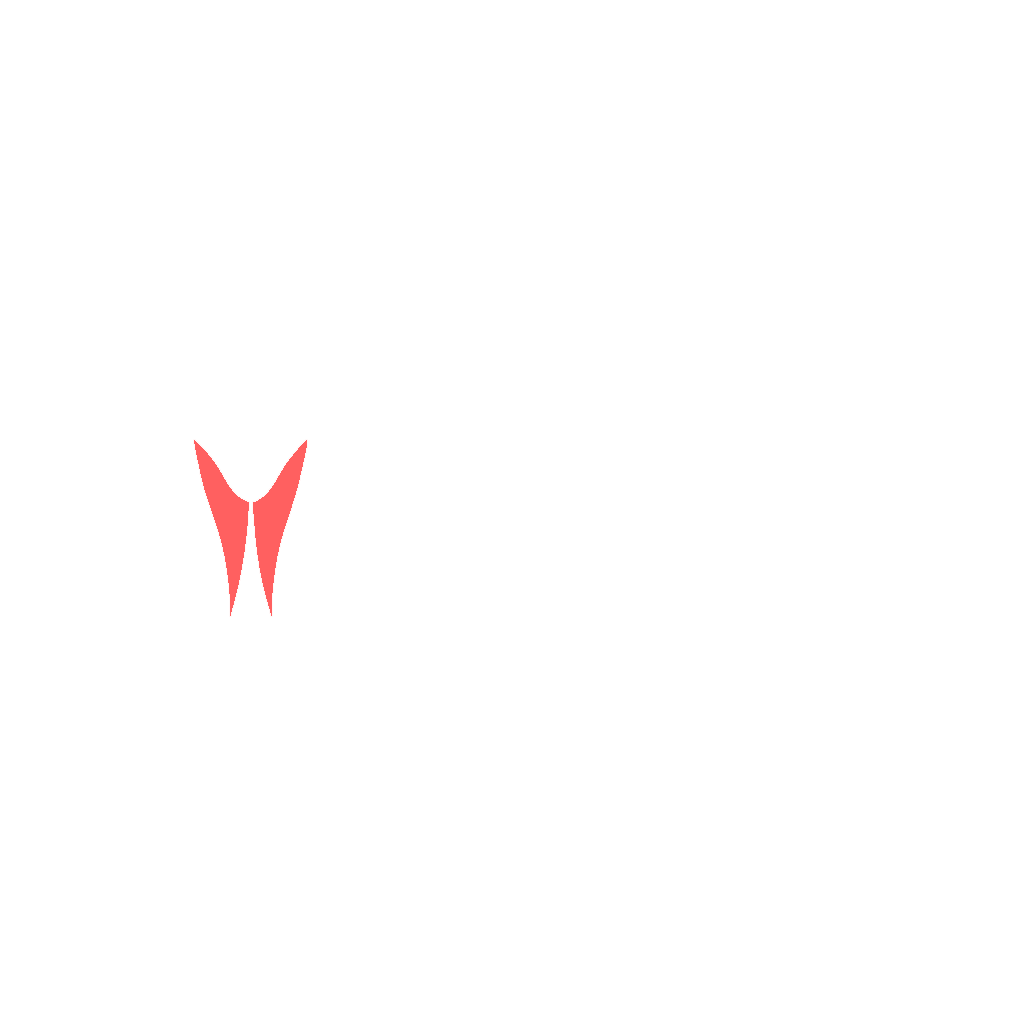
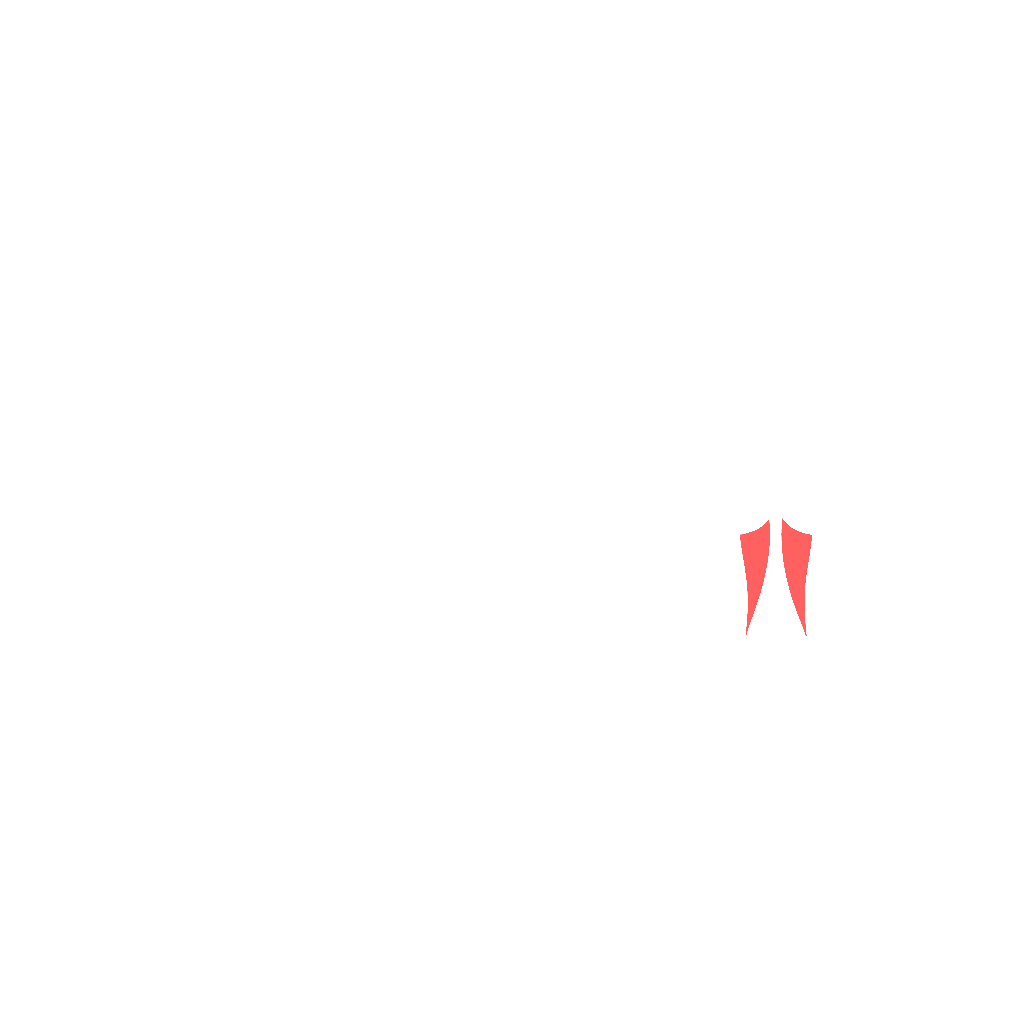
- Target
- Adductor Longus, Adductor Magnus
- Secondary
- Pectoralis Major Sternocostal, Sartorius
How to do it
- 1
Sit on the floor and place a bolster or folded blanket lengthwise behind your sacrum.
- 2
Bring the soles of the feet together and let the knees fall out to the sides.
- 3
Slide blocks or cushions under each thigh so the hips can fully relax onto the support.
- 4
Lie back over the bolster so the chest is gently elevated above the hips.
- 5
Rest the arms out to the sides, palms up, and let the shoulders soften.
- 6
Breathe slowly for two to five minutes, releasing a little more on each exhale.
- 7
To exit, use your hands to press the knees together before rolling to one side.
Tips
- Prop the thighs high enough that you feel a mild stretch, never a sharp pull in the groin or inner knee.
- If the low back complains, raise the head and chest higher on the bolster.
- Keep the jaw and tongue soft so the whole nervous system can settle.
Variations
Common mistakes
- The knees hover unsupported in the air instead of resting on blocks, so the inner thighs stay tense working against gravity the entire time.
- When the feet are pulled in too close to the pelvis, the stretch sharpens into pinching at the groin instead of the gentle opening this pose is meant to give.
- Skipping the bolster behind the sacrum and lying flat on the floor removes the gentle chest opening that makes the pose restorative rather than a plain stretch.
- The shoulders stay hiked toward the ears instead of settling onto the floor, keeping the neck and upper back braced through the whole hold.
Frequently asked
- How long should a beginner hold reclined bound angle pose?
- Stay for 2 to 5 minutes, breathing slowly, and repeat once more later in the session if it feels good, since this pose works through time and relaxation rather than sets. Add a minute or two as your hips open and the position feels more passive over weeks.
- How do you make reclined bound angle pose easier or harder?
- Make it easier by raising the head and chest higher on extra padding, or by placing pillows under both knees so the inner thighs do not have to release as far. Deepen it over time only by lowering the support gradually, never by pressing the knees down.
- What is reclined bound angle pose good for?
- It is a passive recovery and breath-work shape, useful after training or before sleep to down-regulate the nervous system and gently open the hips and chest. It is a poor choice right after any groin strain or knee injury, since the open-leg position stretches exactly the tissue that needs rest.
Related exercises
Other movements among FitRay's 2,000+ exercises that load the same target muscle — same equipment and level first.
- BeginnerLateral ShuffleBody Weight · Glutes · Quads
- Beginner90/90 Adductor LiftBody Weight · Thighs
- BeginnerAdductor Rock BackBody Weight · Thighs
- BeginnerDemi-Plie Pulse (First Position)Body Weight · Quads · Thighs
- BeginnerGarland PoseBody Weight · Glutes · Thighs
- BeginnerGrand Plie Pulse (Second Position)Body Weight · Glutes · Quads