Demi-Plie Pulse (First Position)
First position places the heels together with toes turned out, and the demi-plie keeps the bend shallow so the emphasis lands on the quads and adductors with less depth than a grand plie. The tight range and slow pulses make it accessible for beginners and a smart choice for high-rep tension work. Use it early in a barre sequence to pre-fatigue the legs before larger movements.
- Equipment
- Body Weight
- Type
- Strength
- Browse by muscle
- Rectus Femoris, Vastus Lateralis, Adductor Longus, Gluteus Maximus
- Browse by movement
- Squat




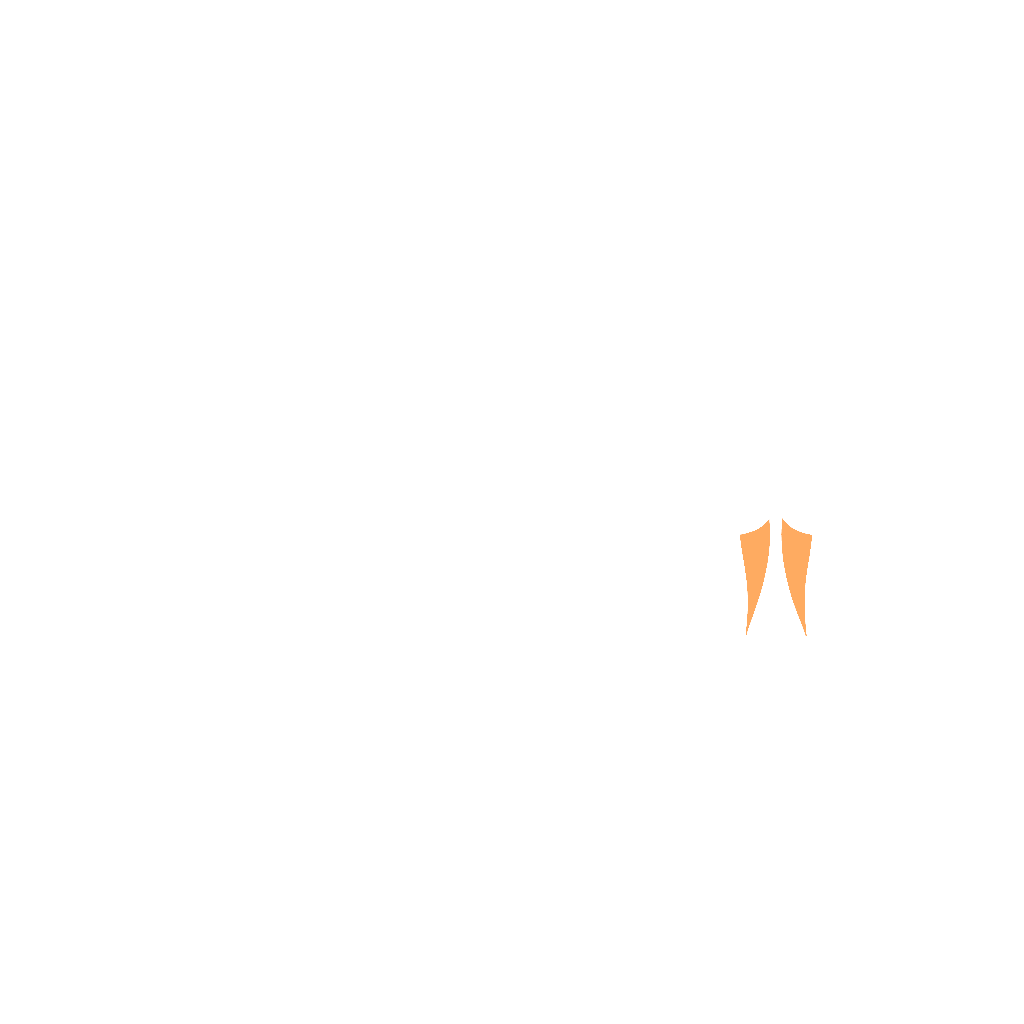




- Target
- Rectus Femoris, Vastus Lateralis, Adductor Longus, Gluteus Maximus
- Secondary
- Adductor Magnus
- Tertiary
- Gluteus Medius, Soleus Gastrocnemius
How to do it
- 1
Bring your heels together and rotate the legs open so the feet form a shallow V, toes pointing to the corners.
- 2
Place one hand on the barre and stand tall with the pelvis stacked over the feet.
- 3
Bend the knees only halfway, keeping the heels pressed down and knees over the toes.
- 4
Pulse up an inch and back down without straightening the legs fully.
- 5
Keep the abdominals gently engaged so the lower back stays long.
- 6
Repeat for the target reps, then rise smoothly to standing.
Tips
- Squeeze the heels and inner thighs toward each other to keep first position honest.
- Do not let the knees roll inward in front of the big toes as you pulse; keep them tracking out over the toes.
- Keep the movement small and steady rather than bouncing.
Variations
Common mistakes
- The knees fully straighten at the top of each pulse instead of staying bent, turning a sustained tension hold into a series of tiny squats with a rest at the top.
- The shoulders round forward as the set drags on, letting fatigue show in the upper back well before the legs actually give out.
- As the reps stack up, weight shifts back onto the heels, lifting the toes' grip on the floor and rocking the balance backward.
- Rushing the rise back to standing after the last pulse skips the smooth transition the setup calls for and jars the knees straight instead.
Frequently asked
- How many reps of the demi-plie pulse in first position should a beginner do?
- Fifteen to twenty small, slow pulses for 2 sets is a reasonable starting target, since the shallow range keeps each pulse short. Once the legs stay bent the whole set without straightening between pulses, add a third set before trying the fuller-range grand plie pulse.
- How do you make the demi-plie pulse in first position easier or harder?
- To make it easier, bend the knees even less and pulse through a smaller range near the top of the movement. To make it harder, hold the bend a touch deeper, closer to but not past a comfortable range, or extend the set longer before resting.
- What is the demi-plie pulse in first position good for, and when should you skip it?
- The shallow range and slow pulses make it accessible for beginners and a good way to pre-fatigue the legs early in a barre sequence before bigger movements. Skip it if standing turnout itself is uncomfortable on the hips or knees, since the position holds a rotated stance for the whole set regardless of how shallow the bend is.
Related exercises
Other movements among FitRay's 2,000+ exercises that load the same target muscle — same equipment and level first.
- BeginnerBarre Wall-Sit PulseBody Weight · Glutes · Quads
- BeginnerBob-and-Weave DrillBody Weight · Abs · Quads
- BeginnerChair PoseBody Weight · Glutes · Quads
- BeginnerGoddess PoseBody Weight · Quads · Thighs
- BeginnerGrand Plie Isometric Hold (First Position)Body Weight · Glutes · Quads
- BeginnerGrand Plie Pulse (Second Position)Body Weight · Glutes · Quads