Grand Plie Pulse (Second Position)
This is the workhorse of any barre class. From a wide turned-out stance you sink into a grand plie and pulse an inch up and down, keeping the muscles under constant tension so the quads, adductors, and glute max never get a rest. It builds lower-body endurance and turnout strength without loading the spine, making it ideal for warm-ups, burnout finishers, or anyone training standing hip control.
- Equipment
- Body Weight
- Type
- Strength
- Browse by muscle
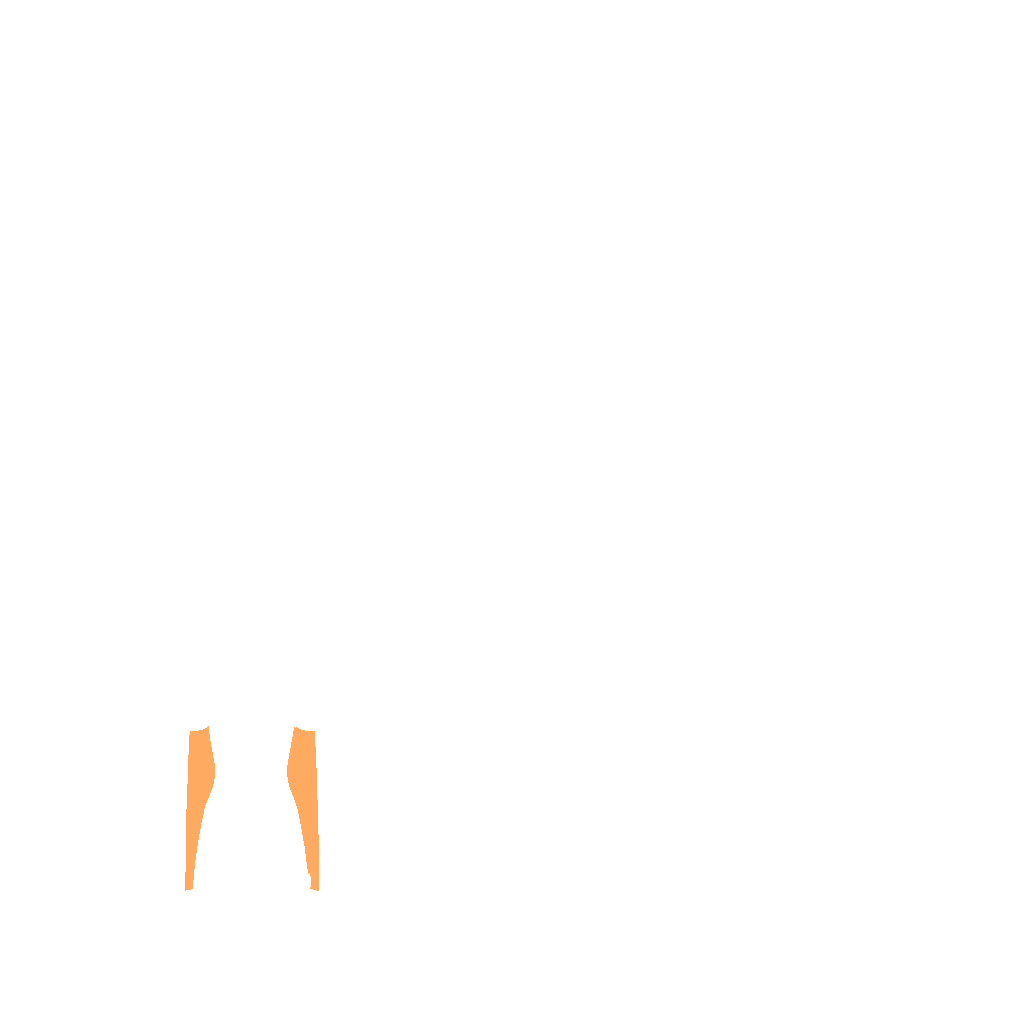
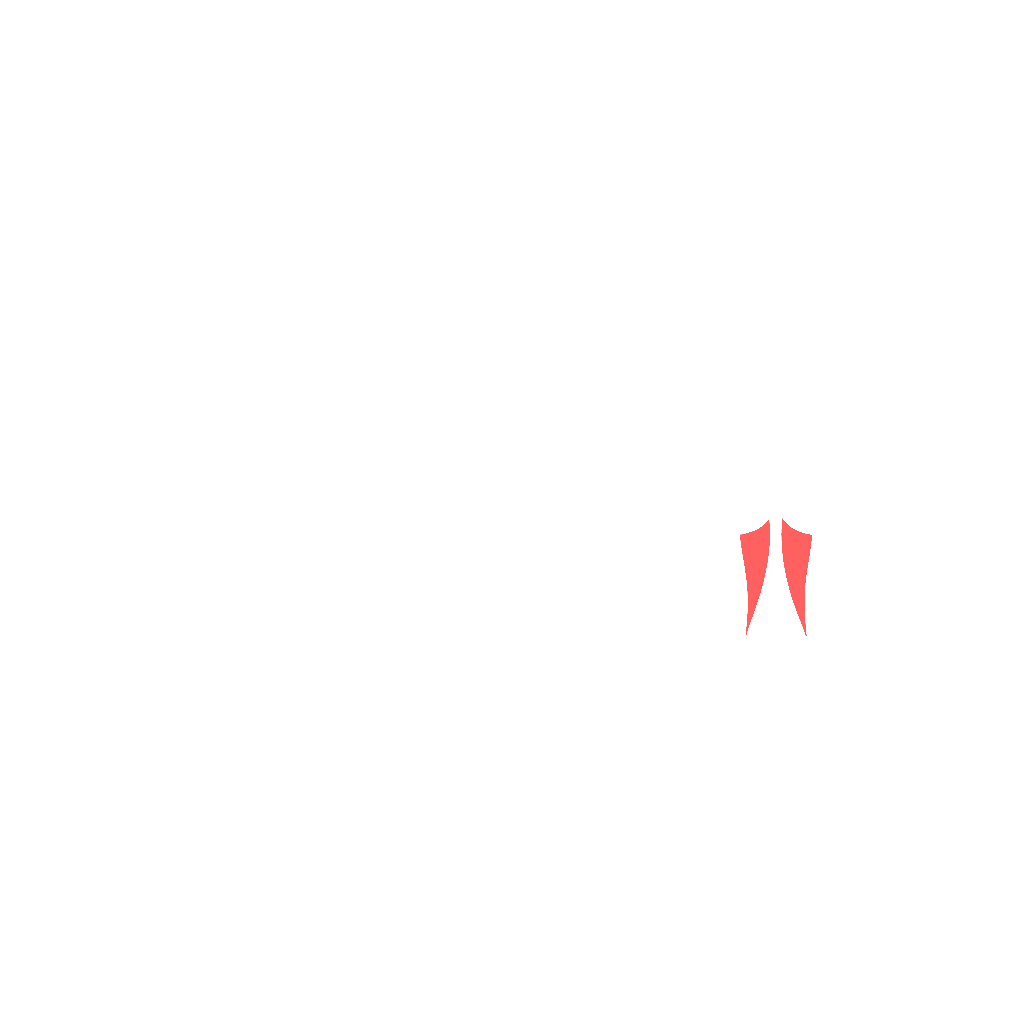
- Rectus Femoris, Vastus Lateralis, Gluteus Maximus, Adductor Magnus
- Browse by movement
- Squat








- Target
- Rectus Femoris, Vastus Lateralis, Gluteus Maximus, Adductor Magnus
- Secondary
- Adductor Longus, Soleus Gastrocnemius
- Tertiary
- Gluteus Medius, Erector Spinae
How to do it
- 1
Stand tall with heels wider than your hips and rotate both legs open from the hip so the knees and toes point out to the corners.
- 2
Rest one hand lightly on a barre, chair, or wall for balance and lengthen your spine.
- 3
Bend the knees and lower straight down until the thighs approach parallel, keeping the knees tracking over the toes.
- 4
From this bottom position pulse up about one inch and back down in a small, controlled range.
- 5
Exhale on each lift and keep the tailbone pointing straight to the floor rather than tucking or arching.
- 6
Continue for the prescribed reps or time, then press fully to standing.
Tips
- Drive the knees open on every pulse so they never cave inward toward each other.
- Keep your weight centered over the mid-foot, not rolling onto the inner edges.
- Stay tall through the chest instead of leaning forward as fatigue sets in.
Variations
Common mistakes
- As the burn sets in, the one-inch pulse range creeps wider into a series of small squats, trading the intended isometric burn for a bouncing rep count.
- The tailbone tucks under at the bottom of the pulse, flattening the natural curve of the low back instead of pointing straight down to the floor.
- The heels lift slightly off the floor at the lowest point of the pulse, shifting weight forward onto the balls of the feet.
- Holding the breath through the burning final reps tightens the whole trunk exactly when the legs need the steadiest support.
Frequently asked
- How many reps of the grand plie pulse in second position should a beginner do?
- Start with 2 sets of 15 small pulses, resting a minute between sets since the burn builds fast in this position. Once you can hold the depth steady for all 15 without the knees caving, add a third set or a longer static hold at the bottom instead of more pulses.
- How do you make the grand plie pulse in second position easier or harder?
- To make it easier, do not sink as deep before you start pulsing, stopping well above where the thighs are parallel to the floor. To make it harder, sink to full depth, rely less on the barre or wall for support, or add a few extra seconds of pulsing to each set.
- What is the grand plie pulse in second position good for, and when should you skip it?
- It builds lower-body endurance and turnout strength without loading the spine, which makes it a staple warm-up or burnout finisher in barre-style training. Skip it, or keep the depth shallow, if you have knee pain in deep flexion, since the position asks the knees to stay bent and loaded for the whole set.
Related exercises
Other movements among FitRay's 2,000+ exercises that load the same target muscle — same equipment and level first.
- BeginnerBarre Wall-Sit PulseBody Weight · Glutes · Quads
- BeginnerBob-and-Weave DrillBody Weight · Abs · Quads
- BeginnerChair PoseBody Weight · Glutes · Quads
- BeginnerDemi-Plie Pulse (First Position)Body Weight · Quads · Thighs
- BeginnerGoddess PoseBody Weight · Quads · Thighs
- BeginnerGrand Plie Isometric Hold (First Position)Body Weight · Glutes · Quads