Ring Tuck-Up
Holding a support on rings and pulling into a tight tuck trains the rectus abdominals through a big crunch-and-compress while the unstable rings force constant stabilization. Unlike a hanging tuck, the ring support version loads the abs at the top of a crunch rather than a raise, and the wobble recruits extra shoulder and grip work. It is a strong stepping stone toward ring L-sits and tuck holds. Keep the rings pinned to your sides.
- Equipment
- Rings
- Type
- Functional, Strength
- Browse by muscle
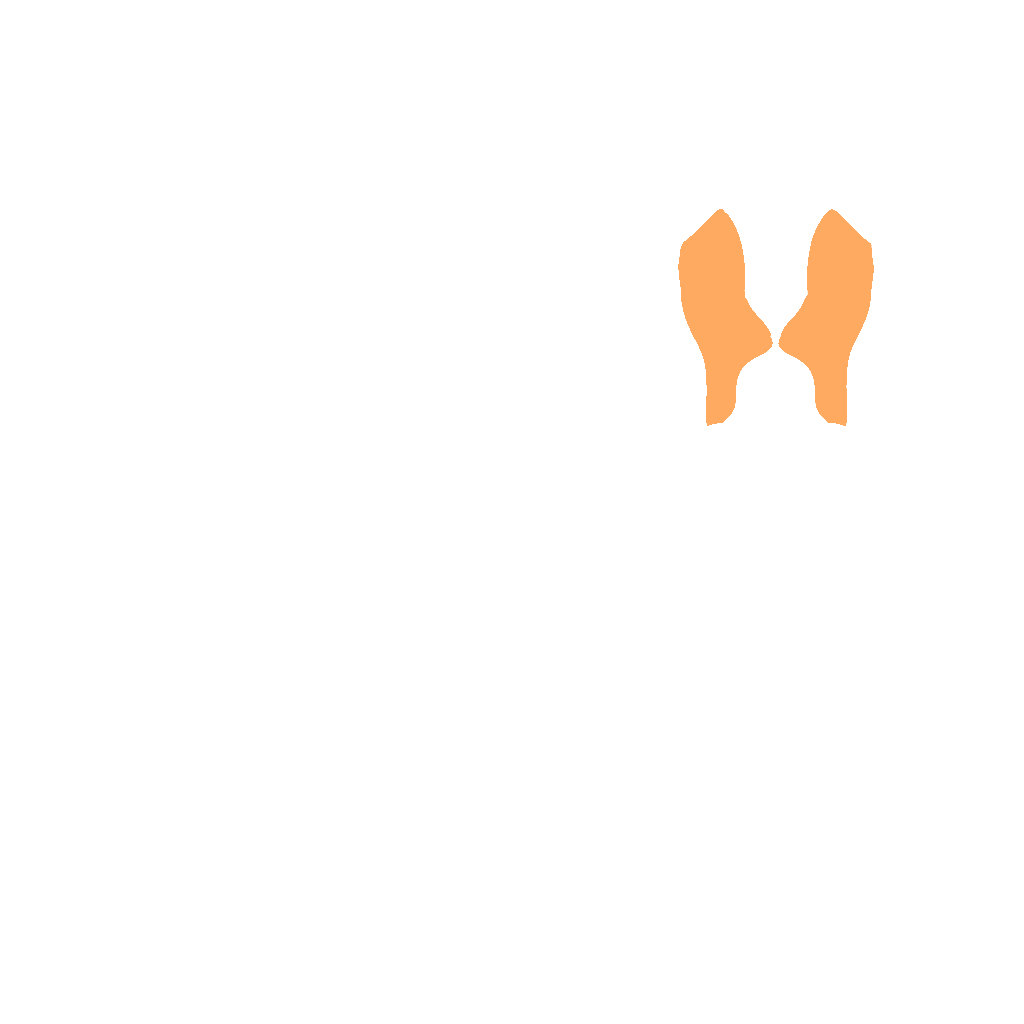
- Lower Rectus Abdominals, Upper Rectus Abdominals
- Browse by movement
- Spinal Flexion








- Target
- Lower Rectus Abdominals, Upper Rectus Abdominals
- Secondary
- Rectus Femoris, Latissimus Dorsi
- Tertiary
- Abdominal External Oblique, Brachioradialis
How to do it
- 1
Press to a support hold on the rings with arms locked, rings turned slightly out, and shoulders down.
- 2
Brace the abs and pull the knees up toward the chest into a tight tuck.
- 3
Round the trunk slightly at the top to fully shorten the abs.
- 4
Extend the legs back down under control to the support position.
- 5
Exhale as you tuck, inhale as you extend, and keep the rings steady against your sides.
- 6
Stop the set when the rings start to wobble past your control.
Tips
- Actively press the rings down and into your body to stabilize the support.
- Curl the pelvis up toward the ribs rather than just lifting the knees.
- Build a solid ring support hold before adding the dynamic tuck.
Variations
Common mistakes
- The torso leans back to make room for the knees, so the shoulders finish behind the rings and a clean support turns into a half-recline you have to climb out of.
- Legs are dropped rather than lowered at the end of each rep, and on rings that drop becomes a swing the next rep has to be launched out of.
- One knee arrives before the other, which twists the hips between the rings and starts exactly the rotation that ends the set early.
- The rings get gripped so hard that the forearms are burning before the abs are, which is why the set ends at eight reps that had very little to do with your core.
- Feet cross or drift apart between reps, and every bit of that looseness shows up as a wobble at the rings; keep the legs squeezed together and the toes pointed even in the tuck.
Frequently asked
- How many ring tuck-ups should you do when you are new to the exercise?
- Once you can hold a ring support for 20 to 30 seconds, three or four sets of 5 to 8 reps twice a week is a good start, ending the set when the rings begin to wobble rather than at a rep number. Build to three sets of 12, then extend the legs partway into an advanced tuck, then work toward a full ring L-sit. Put these before pulling work, not after it.
- What can I do instead of ring tuck-ups if I have no rings?
- Parallel bars or a dip station give you the same support position with a fixed base, so parallel-bar knee raises train the same fold without the wobble, which also makes them a sensible stepping stone. A suspension trainer with the straps shortened works if the handles sit at hip height. At home, a hanging knee raise from a bar trains the same compression, though it loads the abs at the bottom of a raise instead of the top of a crunch.
- What are ring tuck-ups good for, and who should skip them?
- They pair a hard ab contraction with the shoulder and grip demand of holding a ring support, which is why they carry so well into ring L-sits and tuck holds. Skip them until a straight-arm ring support is comfortable, because otherwise the whole set goes into stabilising and none of it into the abs. If you simply want ab strength, a hanging knee raise gives you more work per minute with less setup.
Related exercises
Other movements among FitRay's 2,000+ exercises that load the same target muscle — same equipment and level first.