Toes-Through-Rings
Performed on rings, this is a tougher cousin of toes-to-bar because the unstable, free-hanging grip forces the lats, forearms, and shoulders to stabilize while the abs do their job. Threading the toes up between the rings demands genuine straight-leg compression and body control. The instability spills extra work into the grip and scapular stabilizers. Use it once your strict bar toes-to-bar is solid.
- Equipment
- Rings
- Type
- Strength
- Browse by muscle
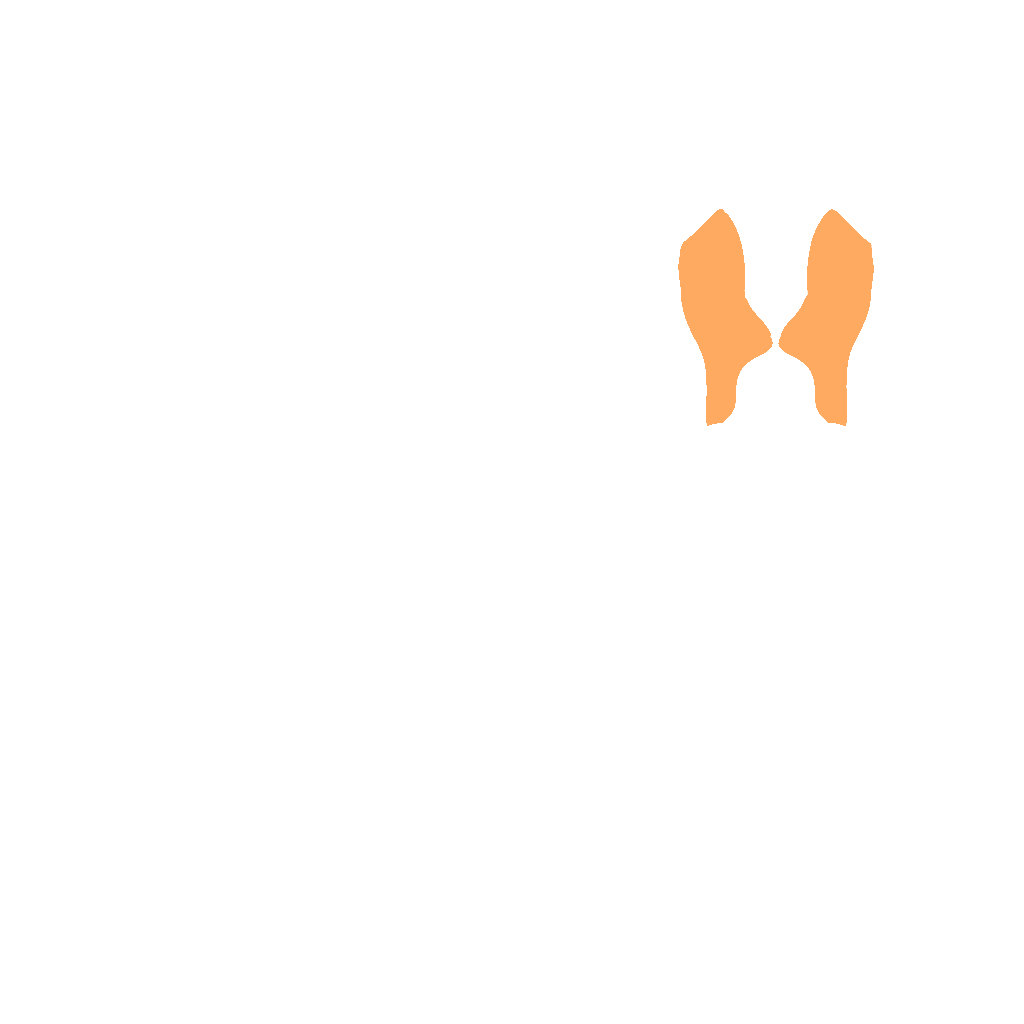
- Lower Rectus Abdominals, Rectus Femoris
- Browse by movement
- Spinal Flexion








- Target
- Lower Rectus Abdominals, Rectus Femoris
- Secondary
- Upper Rectus Abdominals, Latissimus Dorsi
- Tertiary
- Abdominal External Oblique, Brachioradialis
How to do it
- 1
Hang from rings set slightly wider than the hips with a firm overhand grip.
- 2
Depress and set the shoulders, resisting the tendency of the rings to drift apart.
- 3
Pull down on the rings and raise straight legs, threading the toes up between the straps.
- 4
Bring the feet as high as your compression allows while keeping the legs locked.
- 5
Lower under control to a stable hang, exhaling up and inhaling down.
- 6
Keep the rings quiet throughout by staying tight from grip to core.
Tips
- Actively pull the rings toward your sides to lock the shoulders and steady the swing.
- Keep the legs together so they track cleanly between the straps.
- Expect the grip to tire fast; stop the set when form breaks, not when the abs quit.
Variations
Common mistakes
- The rings drift wider apart as fatigue sets in, and a wider ring path gives the legs a bigger gap to control on the way through.
- Letting the legs separate as they thread up between the straps sends one leg outside its ring instead of both tracking the same narrow path.
- The rings swing and knock together mid-set because the shoulders release their pull the moment the leg raise becomes the focus.
- Continuing the set once the rings start swinging wildly chases a rep count instead of stopping when the setup itself has broken down.
- The elbows straighten and let the shoulders shrug up between reps, giving up the depressed, locked position that keeps the rings stable.
Frequently asked
- What's a sensible starting dose for toes-through-rings?
- This is harder than bar toes-to-bar, so have that version solid and strict first. Start with 2 sets of 3 to 4 reps, resting until your grip and shoulders fully recover, since the ring instability tires the upper body well before the abs. Add reps only once the rings stay quiet through the whole set.
- What can I use instead of gymnastic rings for toes-through-rings?
- Nothing else recreates the free-hanging instability of rings; a fixed bar removes the exact challenge this variation is built around. If you don't have rings, do strict toes-to-bar on a regular pull-up bar instead, and add rings once you have access to a set.
- What does toes-through-rings train, and when should you use a bar instead?
- It layers grip, shoulder, and scapular stability on top of the straight-leg compression regular toes-to-bar already demands, making it a step up for lifters who've mastered the bar version. Use a bar instead if your shoulders are still unstable on rings in a plain dead hang, since adding a leg raise on top of that instability just compounds the risk.
Related exercises
Other movements among FitRay's 2,000+ exercises that load the same target muscle — same equipment and level first.