Safety-Bar Squat
The safety squat bar has padded shoulder yokes and a forward-set camber, so it rides higher and pushes the torso to work harder to stay upright, splitting the difference between a back squat and a front squat. Because the handles sit in front of you, it removes the shoulder mobility demand of a straight bar, making it a joint-friendly option for lifters with cranky shoulders. It builds the quads and upper back hard while teaching you to hold position against a bar that constantly wants to tip you forward.
- Equipment
- Barbell
- Body part
- Quads
- Type
- Strength
- Browse by muscle
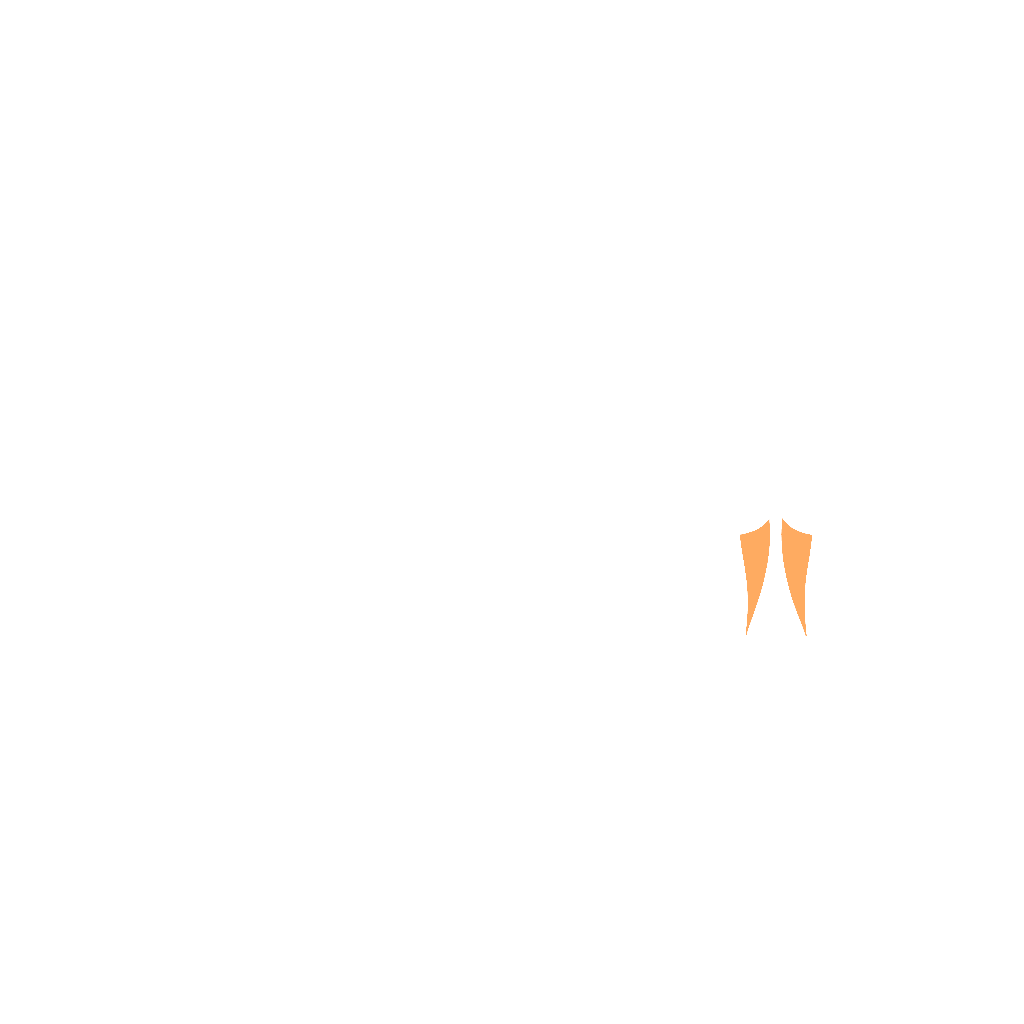
- Rectus Femoris, Vastus Lateralis
- Browse by movement
- Squat








- Target
- Rectus Femoris, Vastus Lateralis
- Secondary
- Gluteus Maximus, Adductor Magnus, Erector Spinae
- Tertiary
- Biceps Femoris, Upper Rectus Abdominals
How to do it
- 1
Set the safety bar at upper-chest height and duck under so the padded yoke rests across your traps and shoulders.
- 2
Grab the handles in front of your chest, stand the bar up, and step back into a shoulder-width stance.
- 3
Point the toes slightly out, take a big breath, and brace your core.
- 4
Break at the hips and knees together and squat down while fighting to keep the chest up.
- 5
Descend to at least parallel with the knees tracking over the toes.
- 6
Drive through the mid-foot to stand tall, keeping the upper back tight throughout.
Tips
- Actively pull the chest up the whole rep; the forward camber will round your upper back the moment you relax.
- Let go of the handles and grip the uprights of the rack instead if you want even more upper-back challenge.
- Keep the bar centered over mid-foot rather than letting the camber drag you onto your toes.
Variations
Common mistakes
- The elbows drop low and pull down on the handles for leverage instead of simply holding position, which quietly assists the lift and masks a fading upper back.
- Ducking under the yoke off-center lets one shoulder carry more of the pad's forward pull than the other, tipping the bar from the very first inch of the descent.
- The knees shoot forward early in the descent as if this were a front squat, when the camber is already pulling the torso forward more than a straight bar would.
- Bracing only once at the start of the set instead of resetting the breath every rep lets the trunk go soft right when the forward-pulling camber needs it most.
Frequently asked
- How many sets and reps of the safety-bar squat should you do when you are new to the exercise?
- Start with 3 sets of 6 to 8 reps at a weight noticeably lighter than your straight-bar back squat, since holding the torso upright against the forward camber is its own skill. Rest 2 to 3 minutes between sets. Add weight in small increments only once you can keep the chest tall and the bar over mid-foot for every rep without the upper back rounding.
- What can replace the safety-bar squat without a safety squat bar?
- A front squat gives a similar upright-torso, quad-and-upper-back demand using a standard barbell. A goblet squat or a pair of heavy dumbbells held at the shoulders is a good substitute with no barbell at all, especially for anyone avoiding overhead shoulder positions.
- What is the safety-bar squat good for, and when is a straight barbell the better pick?
- It builds quads and upper-back strength while sparing shoulders that can't tolerate a straight bar across them, useful for lifters with cranky shoulder mobility. It's a poor choice for beginners with no squat experience, since fighting the bar's forward pull is harder to learn than a standard back squat.
Related exercises
Other movements among FitRay's 2,000+ exercises that load the same target muscle — same equipment and level first.