Scapular Pull-Up
Hanging from a bar and pulling the shoulder blades down without bending the elbows trains scapular depression, the exact action that starts every strong pull-up and keeps the shoulders healthy. It targets the lower traps and teaches the connection between the lats and the shoulder blades that so many lifters miss. It is a perfect primer before back work and a genuine strength gap-filler for anyone chasing their first pull-up.
- Equipment
- Pull-Up Bar
- Type
- Strength
- Browse by muscle
- Trapezius Lower
- Browse by movement
- Vertical Pull



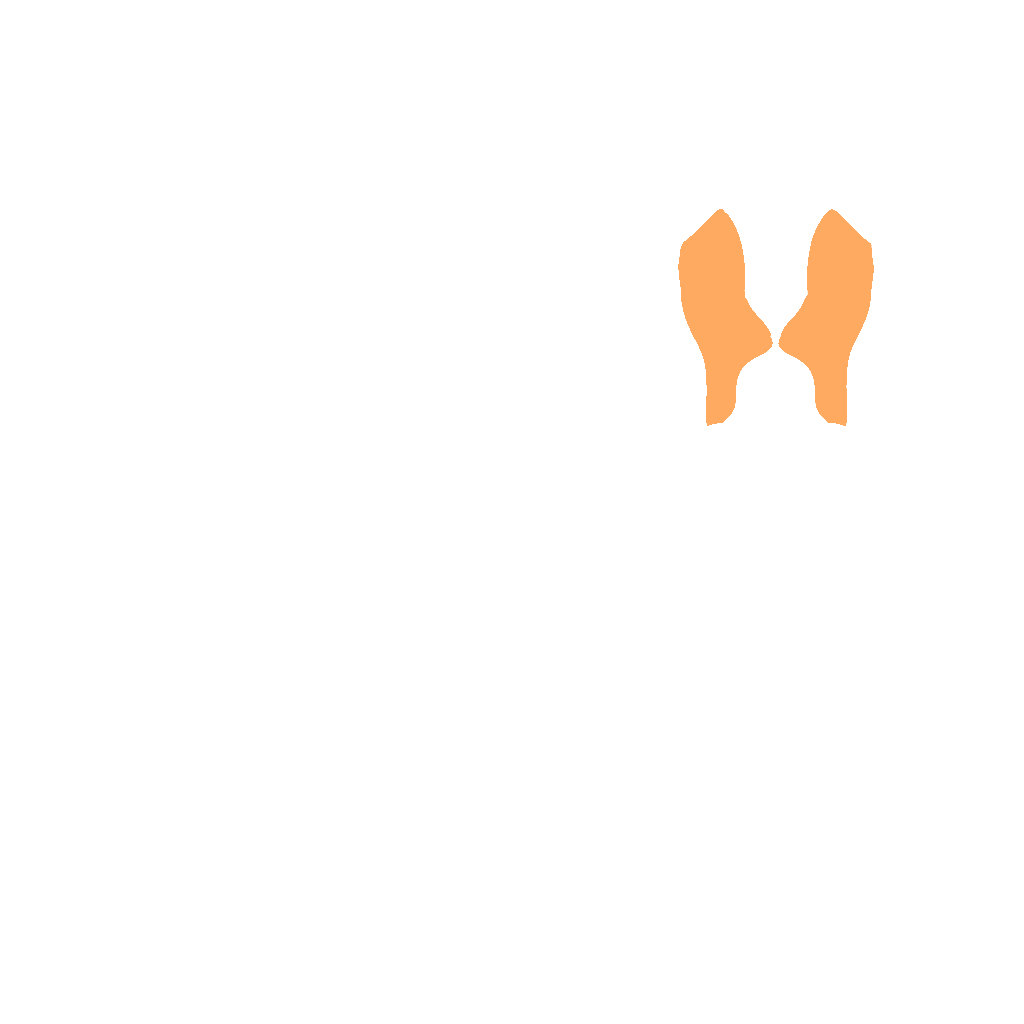


- Target
- Trapezius Lower
- Secondary
- Latissimus Dorsi, Trapezius Middle
- Tertiary
- Deltoid Posterior
How to do it
- 1
Hang from a pull-up bar with a shoulder-width overhand grip, arms fully straight.
- 2
Relax the shoulders so they rise slightly toward the ears in a dead hang.
- 3
Without bending the elbows, pull the shoulder blades down and back.
- 4
Let your chest rise a few inches purely from the scapular movement.
- 5
Hold the depressed position for a beat and feel the muscles under the shoulder blades.
- 6
Return slowly to the relaxed hang and repeat for controlled reps.
Tips
- Keep the arms dead straight; the moment the elbows bend it becomes a partial pull-up.
- Cue pulling the shoulders away from the ears and down into your back pockets.
- Move slowly; the range is only a few inches, so momentum ruins it.
- Use it as a warm-up before pull-ups and rows to set the shoulder blades correctly.
Variations
Common mistakes
- The chest rises because the body leans back and swings, not because the shoulder blades slid down; if your feet move, the traps are not the ones working.
- The hang between reps is dropped into rather than lowered into, and that sudden load at the bottom is more than the shoulder wants; stop while the blades still have a little tension.
- Reps get counted in fifteens because they feel easy, but the range is only a few inches and the lower traps fatigue quietly; the set is over when the chest stops rising, not at a number.
- The head pokes forward as the shoulders come down, which recreates the exact posture this drill exists to undo; keep the ears away from the shoulders.
- The bar is low enough that the knees stay bent to clear the floor, and the toes end up brushing and pushing without you noticing they are helping.
Frequently asked
- How many reps of the scapular pull-up should a beginner do?
- Three sets of 6 to 10 slow reps with a one-second hold at the bottom of each, placed before back or pull-up work. If a full hang is still too much for your hands or shoulders, start with 20-second hangs and add the scapular movement once hanging is comfortable. Progress by holding the depressed position longer rather than by adding reps, and think about a weight vest only when a five-second hold is easy.
- What can I do instead of the scapular pull-up without a pull-up bar?
- A lat pulldown with the arms kept straight trains the identical action while seated, and being able to choose the weight makes it the better starting point for many people. At home, loop a band over a door anchor above head height and pull the shoulder blades down with straight arms. A scapular push-up trains the opposite muscles, so it is not a swap; the straight-arm band pulldown is.
- What is the scapular pull-up good for?
- It teaches the shoulder blades to set before the arms pull, which is the missing first inch of most people's pull-up, and it strengthens the lower traps that hold the shoulder in a good position overhead. That makes it a useful warm-up and genuine gap-filling work for anyone chasing a first pull-up. It builds no meaningful pulling strength on its own, so it is a poor replacement for rows or pulldowns, and it is a frustrating start if hanging from a bar is already at your limit.
Related exercises
Other movements among FitRay's 2,000+ exercises that load the same target muscle — same equipment and level first.