Seated Wide-Grip Machine Row
Taking a wide grip on a chest-supported row machine and pulling with the elbows high and out shifts the work from the lats toward the mid-traps, rhomboids, and rear delts. The pad supports the torso so you can chase a strict squeeze without any lower-back involvement. It's a low-skill, high-value option for upper-back detail and posture that pairs well with lat-dominant pulldowns and close-grip rows.
- Equipment
- Machine
- Type
- Strength
- Browse by muscle
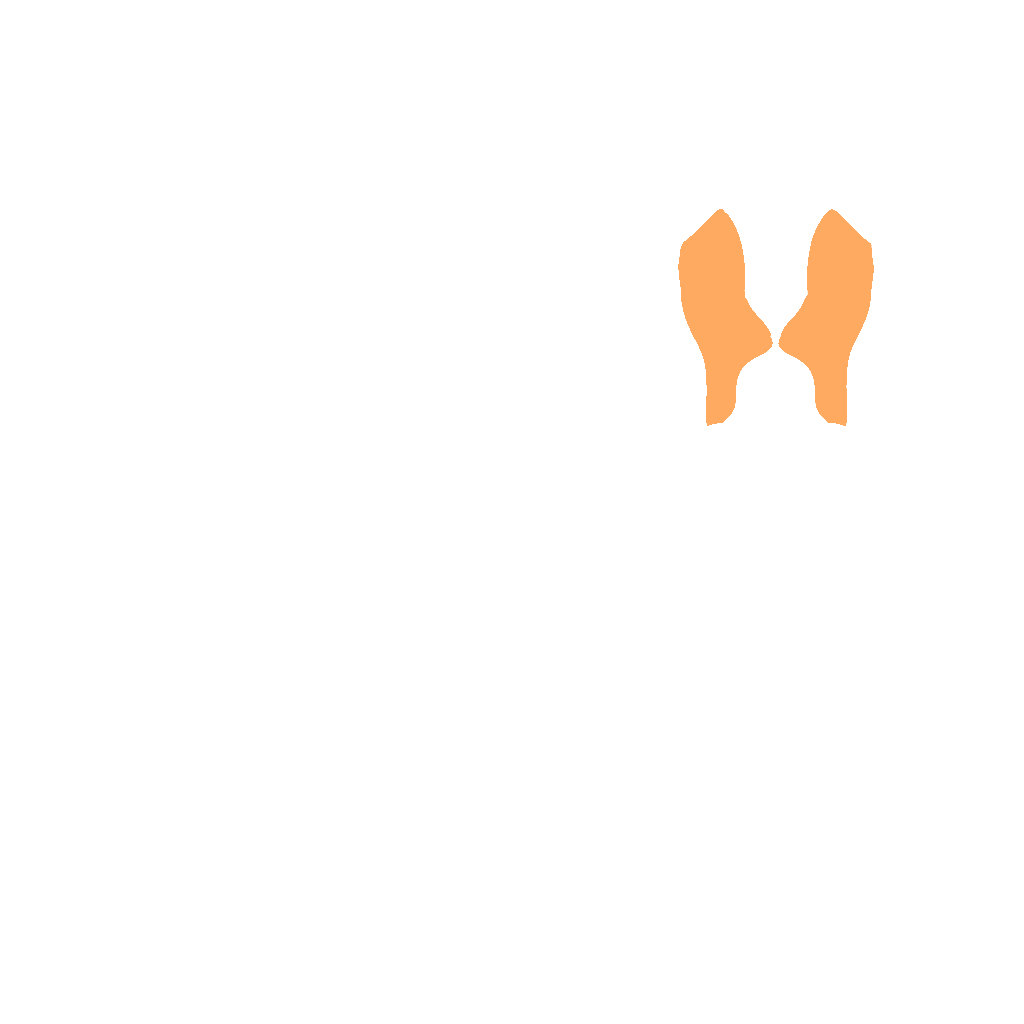
- Trapezius Middle, Deltoid Posterior
- Browse by movement
- Horizontal Pull







- Target
- Trapezius Middle, Deltoid Posterior
- Secondary
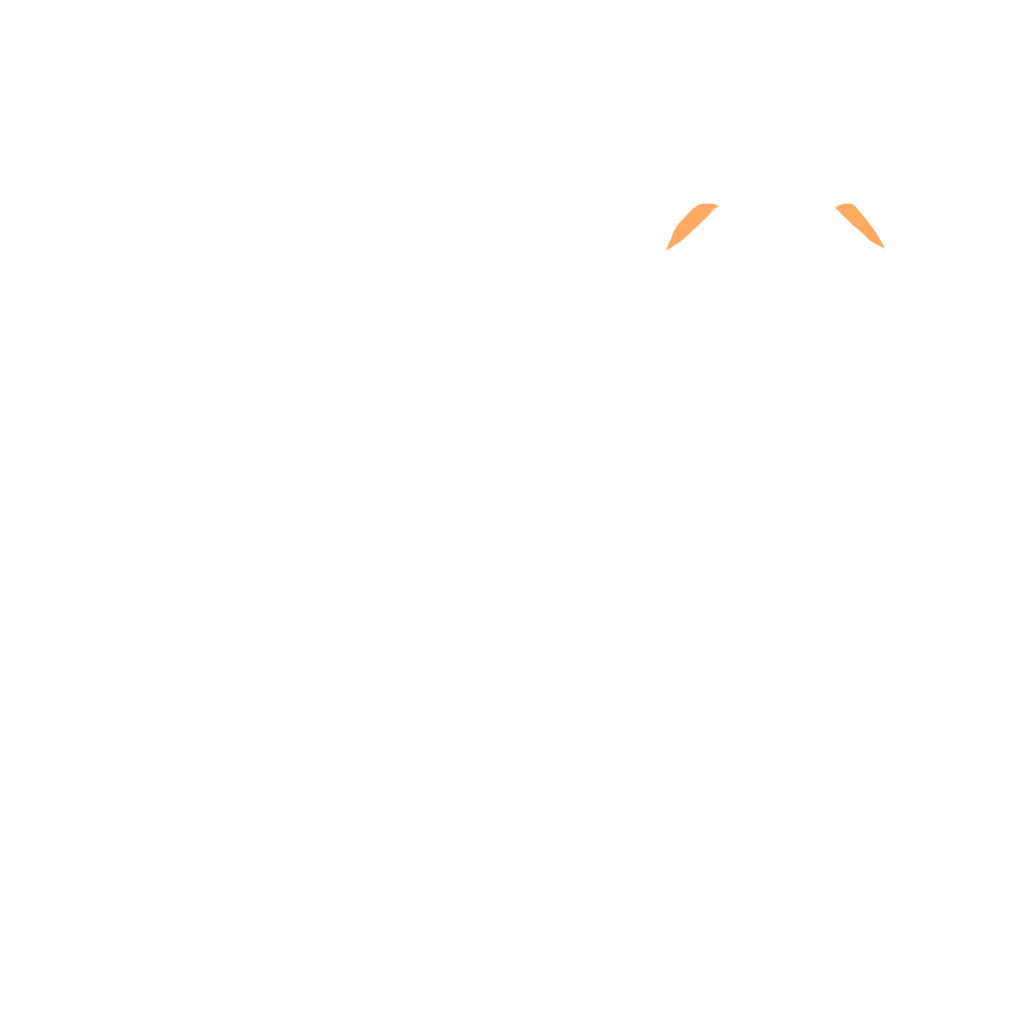
- Latissimus Dorsi, Trapezius Lower, Infraspinatus, Biceps Brachii Long Head, Biceps Brachii Short Head
How to do it
- 1
Set the seat so the wide handles line up with your upper chest.
- 2
Press your chest into the pad and take a wide overhand grip.
- 3
Let the arms extend fully so the shoulder blades reach forward.
- 4
Pull the handles back with the elbows flaring up and out toward shoulder height.
- 5
Squeeze the mid-back and rear delts together at the end of the pull.
- 6
Return under control to a complete stretch, keeping the chest on the pad.
Tips
- Drive the elbows out wide, not down, to keep the upper-back emphasis.
- Match the seat height so the pull tracks toward your upper chest.
- Pause and squeeze at the top rather than rushing the reps.
- Keep the chest pinned so the load stays on the back, not the momentum.
Variations
Common mistakes
- The pad sits so far from the handles that the arms cannot straighten at the front, and the part of the rep where the shoulder blades spread never happens; move the seat or the pad until you can reach full length.
- The forehead or the chin rests on the pad and the neck holds an awkward angle for the whole set; keep the head off the pad and in line with the spine.
- The pad squeezes the ribs and people hold their breath for all twelve reps; breathe out as you pull and in as you return, or the last reps get dizzy rather than hard.
- The low back arches off the seat as the elbows come back, which is the body finding range the shoulder blades could not; keep the ribs down and shorten the pull a touch.
Frequently asked
- How many sets and reps of the seated wide-grip machine row should a beginner do?
- Three or four sets of 12 to 15, and because the pad holds you up, this is one of the few back movements where a beginner can safely take the last set to the point where another rep would not move. Rest about 90 seconds. Go up by the smallest plate the stack offers; when even that jump is too big, add a one-second squeeze on every rep at the current weight until it feels easy. Twice a week fits with no lower-back cost.
- What can I do instead of the seated wide-grip machine row at home?
- Lie face down on an incline bench and row two dumbbells with the elbows flared out to shoulder height; it reproduces the supported position almost exactly. Over a couch arm or an ottoman, the same prone row works with dumbbells or a loaded backpack in each hand. With a band anchored at chest height, row wide while standing tall and add a pull-apart at the end of each rep to reach the same muscles.
- What is the seated wide-grip machine row good for, and who should choose something else?
- The chest pad takes balance and the lower back out of the equation, so all you have to do is pull, which makes it a strong first row for beginners, a safe place to push hard without a spotter, and a good option when your back is tired from heavier work. The wide grip and high elbows bias the mid-traps, rhomboids and rear delts, which helps posture. Choose something else if you want the trunk to learn to hold position under load, and note that if the seat cannot be set so the handles line up with your upper chest, the angle will fight you all set.
Related exercises
Other movements among FitRay's 2,000+ exercises that load the same target muscle — same equipment and level first.