Shrimp Squat
The shrimp squat trains one leg through a deep range while you grip the rear ankle behind your back, so the working quad and glute do all the lifting with no counterweight to help. Because the trailing knee lightly touches the ground at the bottom, it teaches control and depth without the extreme ankle mobility a pistol demands. It is a serious strength and balance skill for athletes who already own solid split squats and want a true unilateral bodyweight lift.
- Equipment
- Body Weight
- Type
- Balance, Strength
- Browse by muscle
- Rectus Femoris, Vastus Lateralis
- Browse by movement
- Squat



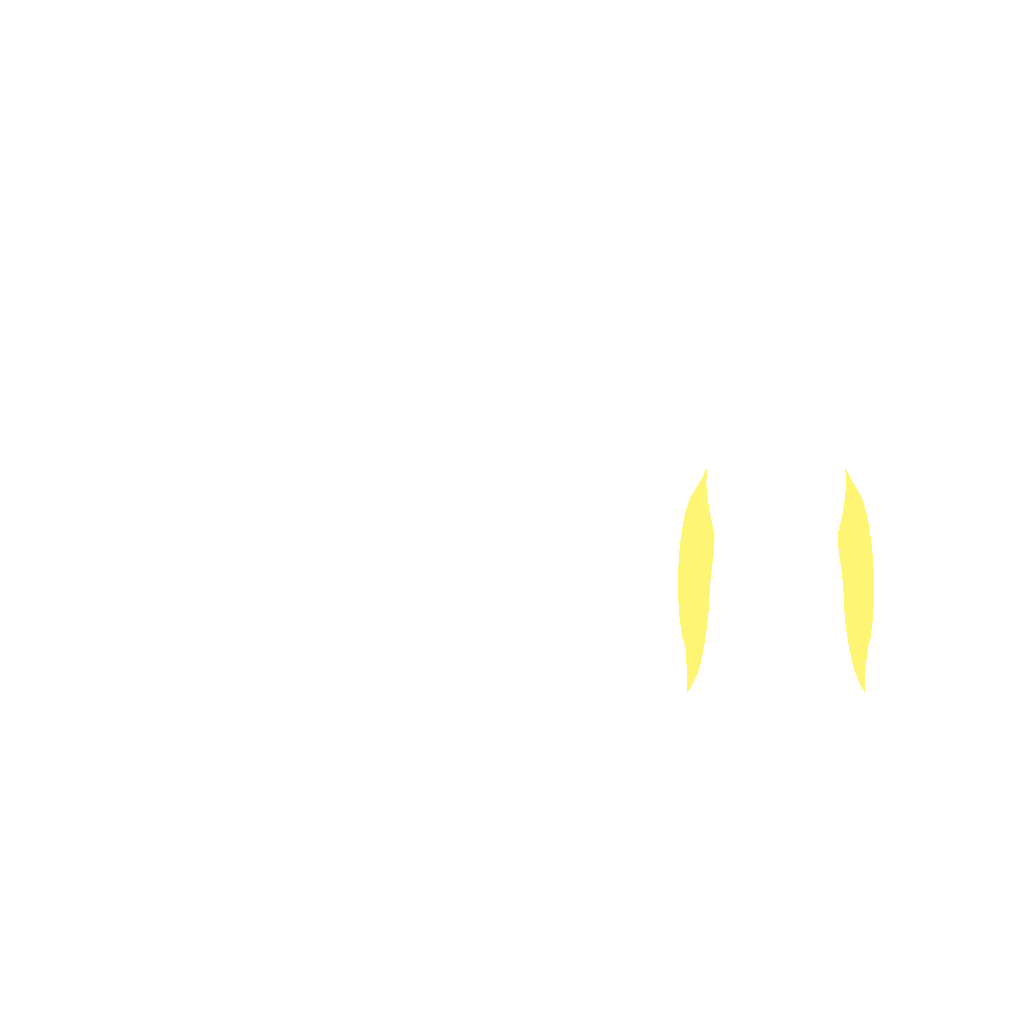


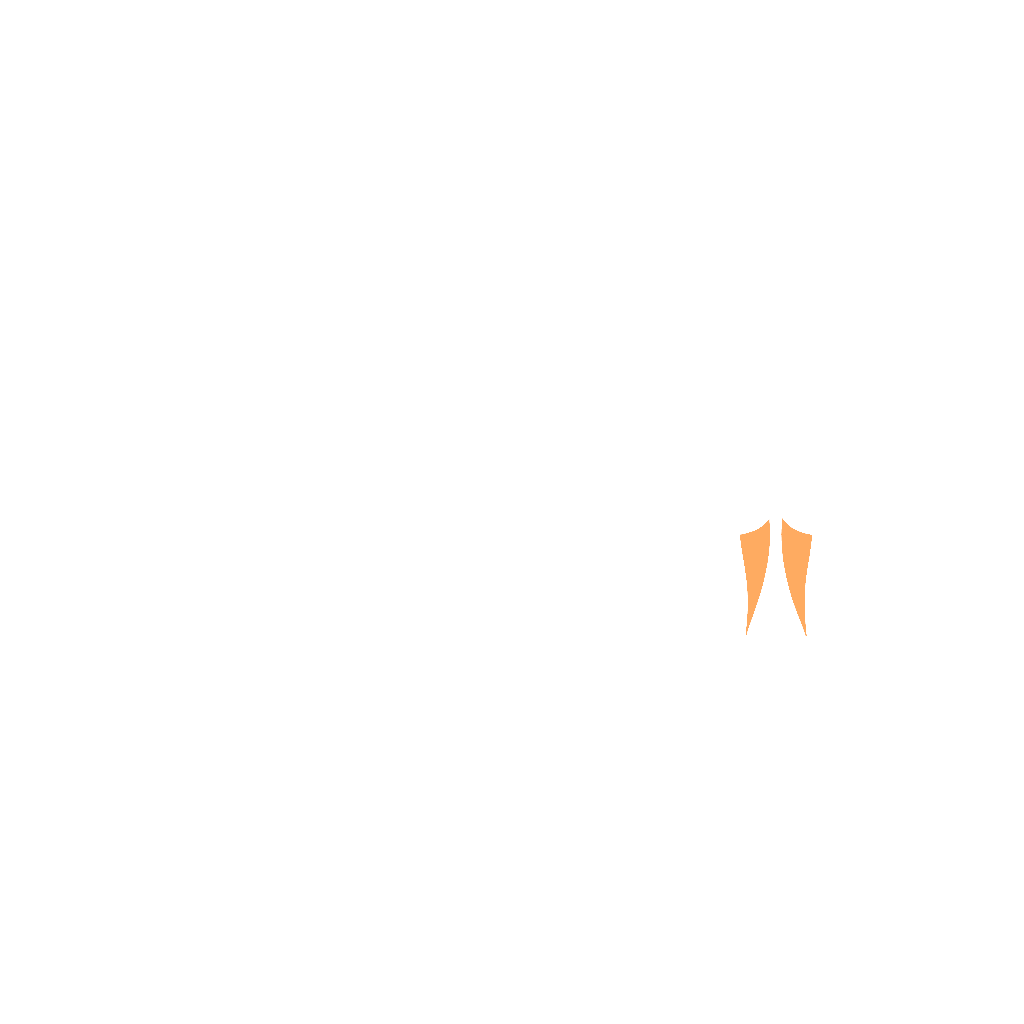


- Target
- Rectus Femoris, Vastus Lateralis
- Secondary
- Gluteus Maximus, Adductor Magnus
- Tertiary
- Gluteus Medius, Biceps Femoris, Erector Spinae, Tibialis Anterior
How to do it
- 1
Stand tall on one leg and bend the other knee, reaching back to hold that foot against your glute with the same-side hand.
- 2
Extend your free arm forward as a counterbalance and brace your core.
- 3
Sit back and down on the standing leg, guiding the rear knee toward the floor.
- 4
Lightly tap the trailing knee to the ground while keeping the standing heel flat.
- 5
Drive through the standing heel to stand back to full height.
- 6
Complete your reps on one side before switching, staying tall throughout.
Tips
- Keep the standing shin as vertical as you can and sit the hips back so the knee is not forced past the toes.
- Tap the rear knee softly rather than crashing it down; control the descent the whole way.
- If balance fails, hold a wall or pole with the free hand until the pattern is grooved.
Variations
Common mistakes
- The hand hauls the rear foot hard into the glute, and that pull tips the pelvis into an arch the low back then holds for the whole set; hold the foot, do not pull on it.
- The trailing knee is aimed straight down behind you instead of landing alongside the standing heel, which puts your weight behind your base and you end up sitting down.
- Holding the rear foot with the opposite hand twists the torso across the standing leg, so the hips stop facing forward and the descent drifts off line.
- The rear knee stops an inch or two short of the floor on the harder reps, so depth is guessed and no two reps in a set match; the light touch is what keeps depth honest.
- Bare concrete under the trailing knee is a nasty surprise on the rep where the leg finally gives out; put a folded towel or a pad down before you start.
Frequently asked
- How many shrimp squats should I do per leg, and what should I be able to do first?
- Own 10 to 12 controlled rear-foot-elevated split squats per leg and a deep squat with the heels flat before you try it. Then three or four sets of 3 to 5 reps per leg, twice a week, ending the set on the last rep where the knee touches quietly. Build to three sets of 8 before adding load, then hold a light dumbbell in the free hand. Do the harder leg first so it is not the one that gets the leftovers.
- How can I scale the shrimp squat up or down?
- To make it easier, raise the target rather than yourself: a cushion, a folded mat, or a stack of books where the knee lands cuts the depth while keeping the pattern. Resting the free hand on a wall or a pole handles the balance side of it. To make it harder, stand on a low step so the knee travels further, pause two seconds with the knee on the floor, slow the descent to three seconds, or hold a plate at the chest.
- What is the shrimp squat good for, and who should skip it?
- It loads one leg deeply without the ankle mobility a pistol squat demands, and the knee touch gives you a depth marker no other single-leg squat has, which makes it a genuine strength lift for anyone training without weights. Skip it if deep knee flexion under load is uncomfortable, or if the hamstring of the held leg cramps as soon as you grab the foot. With access to a barbell, squats and split squats build more leg strength per session.
Related exercises
Other movements among FitRay's 2,000+ exercises that load the same target muscle — same equipment and level first.
- AdvancedBound to Vertical JumpBody Weight · Glutes · Quads
- AdvancedCross-Legged Get-UpBody Weight · Glutes · Quads
- AdvancedDragon Pistol SquatBody Weight · Glutes · Quads
- AdvancedHop-Hop-JumpBody Weight · Glutes · Quads
- AdvancedLateral Bound to Broad JumpBody Weight · Glutes · Quads
- AdvancedPistol SquatBody Weight · Glutes · Quads