Sprawl
The sprawl comes straight from wrestling and mixed martial arts, where it is used to stuff a takedown, and it transfers cleanly into conditioning circuits. From an athletic stance you throw your legs back hard and press your hips down toward the floor, then snap back to your feet without ever doing a push-up or a jump. It trains explosive hip extension and a fast reactive core, and its low-impact turnaround makes it a great high-rep alternative to the burpee.
- Equipment
- Body Weight
- Type
- Cardio, Functional
- Browse by muscle
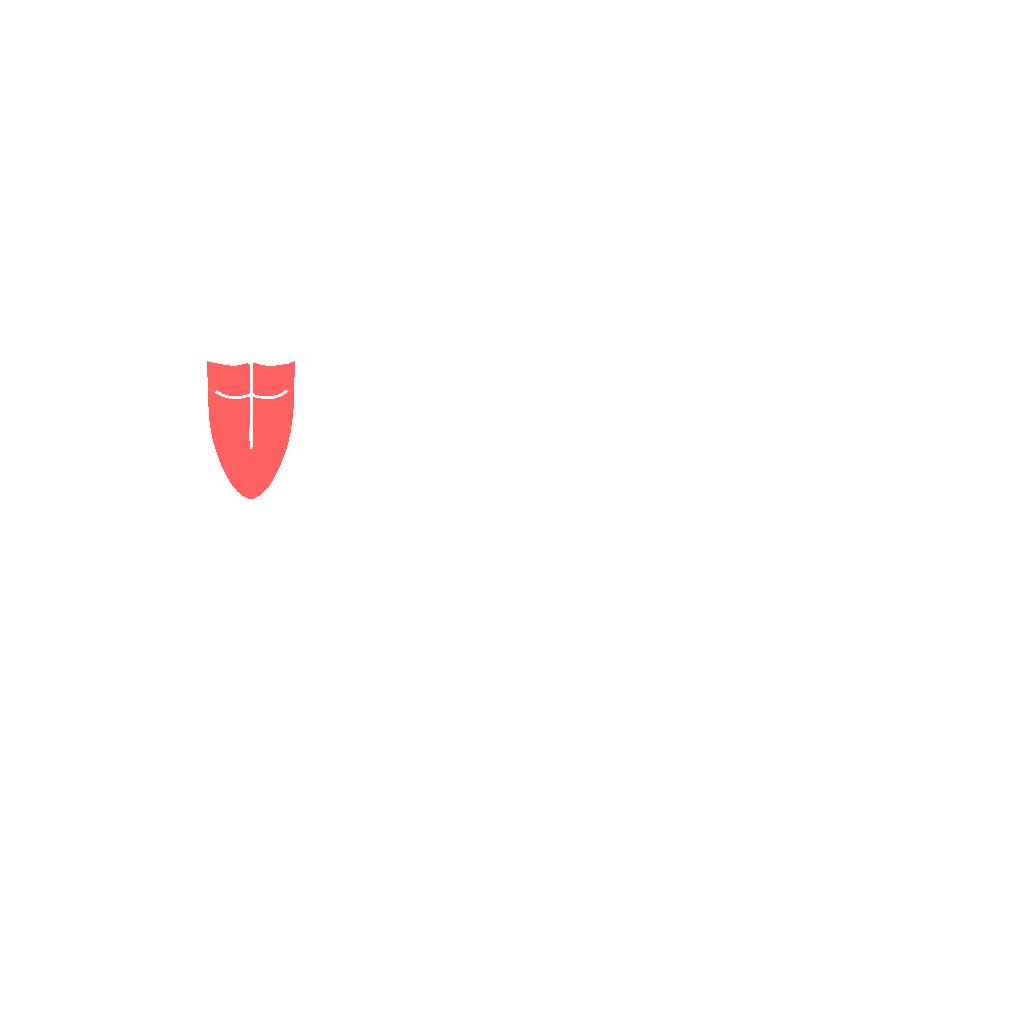
- Rectus Femoris, Vastus Lateralis, Upper Rectus Abdominals












- Target
- Rectus Femoris, Vastus Lateralis, Upper Rectus Abdominals
- Secondary
- Gluteus Maximus, Deltoid Anterior, Pectoralis Major Sternocostal, Abdominal External Oblique
- Tertiary
- Triceps Brachii Lateral Head, Erector Spinae, Gastrocnemius Medial Head, Gastrocnemius Lateral Head
How to do it
- 1
Start in an athletic stance with knees soft and hands ready in front of you.
- 2
Drop your hands to the floor and kick both legs back and out quickly.
- 3
Drive your hips down toward the floor and arch slightly, keeping the chest up.
- 4
Snap the hips up and pull your feet back underneath you.
- 5
Explode back to the standing athletic stance.
- 6
Repeat at speed, keeping each sprawl low and sharp.
Tips
- Push the hips down and forward rather than letting the whole body flatten into a plank.
- Keep the chest and eyes up so you stay in an athletic, ready posture on the way down.
- Spread the legs slightly on the drop for a wider, more stable base.
Variations
Common mistakes
- The rep gets performed as a burpee without the push-up, hips high and chest dropping, which is the opposite of the shape that stuffs a takedown.
- Elbows lock and the arms take the whole landing, sending the impact into the wrists and shoulders rep after rep; let them bend and share it with the hips.
- Knees hit the floor first because the feet kick down instead of back and out, and on a hard surface that ends the session.
- A small arch is the intent, but at speed it often becomes a hard lumbar crunch; drive the hips toward the floor with the ribs down so the low back is not absorbing every drop.
- The return to standing turns into a slow crawl once the round drags on, and the fast turnaround is the whole point; cut the round short rather than grinding out slow reps.
Frequently asked
- How many sprawls should a beginner do?
- Rounds work better than rep counts here: 20 seconds of continuous sprawls against 40 seconds of rest, six to eight times, keeps every drop sharp. If you prefer reps, three sets of 10 with a minute of rest does the job. Build by lengthening the work to 30 or 40 seconds before you shorten the rest, and end the round when the drop starts landing heavy rather than quick, since a slow sprawl trains nothing that a fast one does not.
- How do I make the sprawl easier or harder?
- To make it easier, step the legs back one at a time and come up the same way, and drop only as far as your hips comfortably allow; a shallower sprawl is still the right pattern, and padding under the hips helps on a hard floor. To make it harder, sprawl on a call rather than a count so you have to react, add a shuffle or a direction change between reps, or wear a light vest. Cutting the rest is the last thing to change, not the first.
- What is the sprawl good for, and who should skip it?
- It comes from wrestling, where it stops a takedown, and it trains fast hip extension and a reactive trunk, which serves grapplers and fighters directly. In general conditioning it works as a low-impact, high-rep alternative to the burpee, with no push-up and no jump to fatigue the shoulders and knees. It is a poor choice if a hard floor is all you have, and a poor choice for anyone whose low back flares with extension, since the bottom of every rep pushes the hips toward the floor.
Related exercises
Other movements among FitRay's 2,000+ exercises that load the same target muscle — same equipment and level first.