Squat Thrust
The squat thrust is the foundation the burpee is built on, and it stands on its own as a low-impact conditioning move. You squat, plant your hands, shoot the feet back to a plank, then snap them in and stand, with no chest to the floor and no jump at the top. That makes it a smart entry point for beginners, a joint-friendly option for higher reps, and a clean way to spike the heart rate without pounding the shoulders or knees.
- Equipment
- Body Weight
- Type
- Cardio
- Browse by muscle
- Rectus Femoris, Vastus Lateralis
- Browse by movement
- Squat


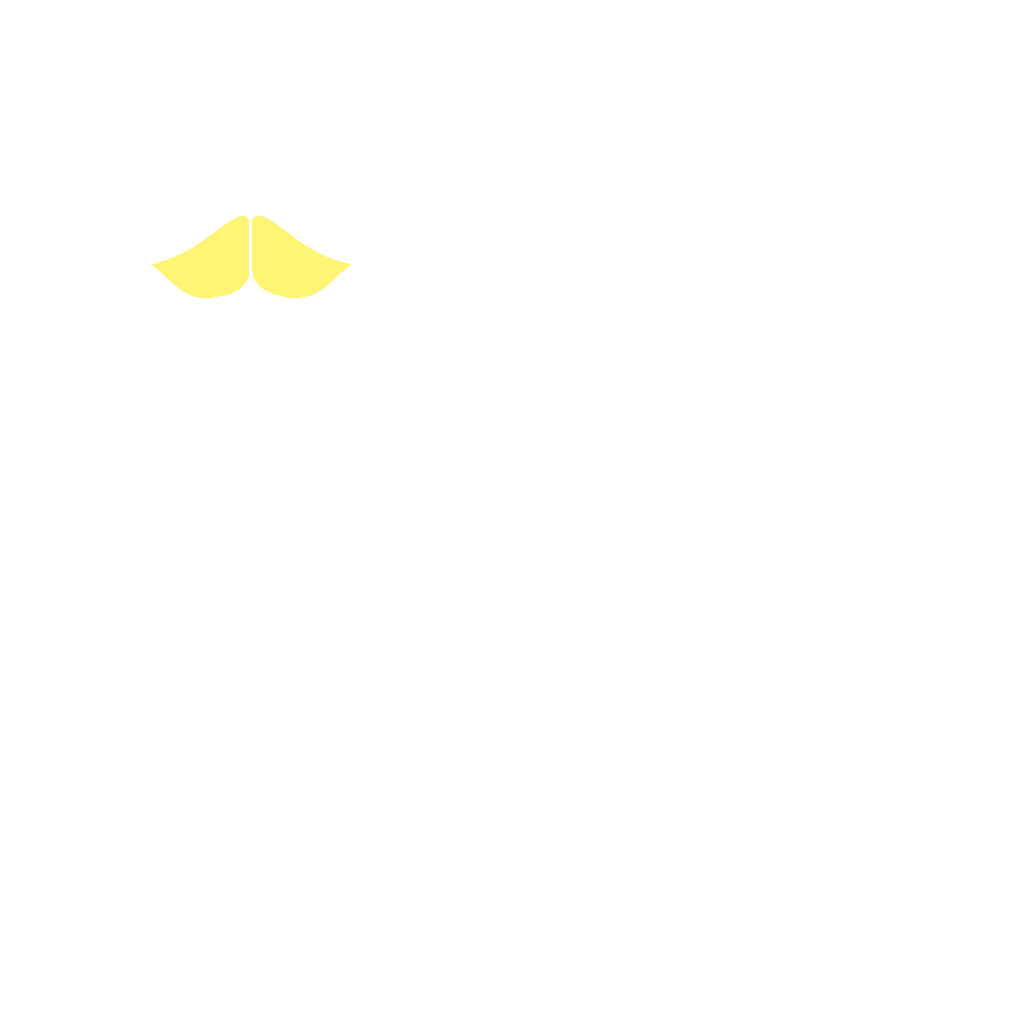






- Target
- Rectus Femoris, Vastus Lateralis
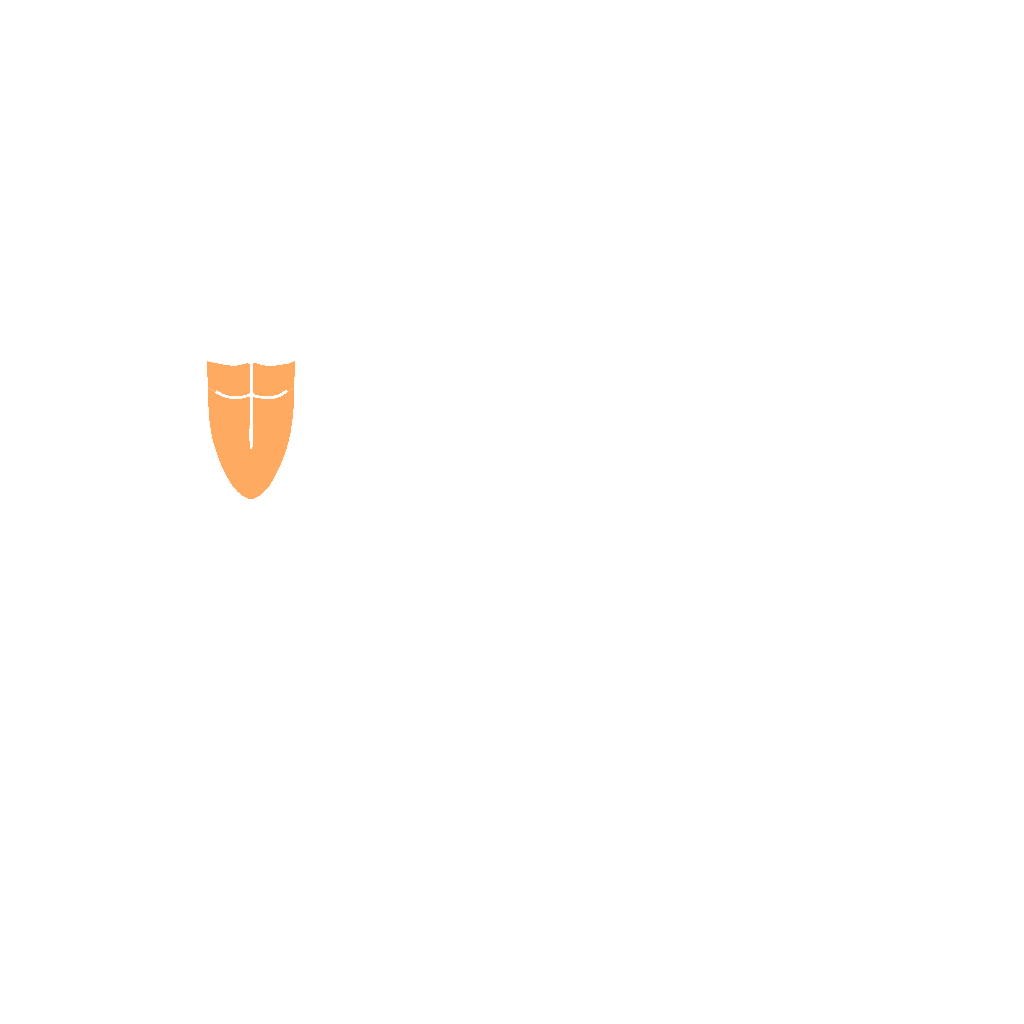
- Secondary
- Gluteus Maximus, Upper Rectus Abdominals, Lower Rectus Abdominals, Deltoid Anterior
- Tertiary
- Pectoralis Major Sternocostal, Triceps Brachii Lateral Head, Gastrocnemius Medial Head, Gastrocnemius Lateral Head
How to do it
- 1
Stand with your feet about hip-width apart and your core braced.
- 2
Squat down and place both hands flat on the floor in front of your feet.
- 3
Kick your feet straight back into a solid plank position.
- 4
Immediately hop your feet back up toward your hands.
- 5
Stand tall to finish the rep, keeping the chest up.
- 6
Repeat at a steady, sustainable pace for the prescribed time or reps.
Tips
- Keep the hips level with the shoulders in the plank so the lower back does not dip.
- Land the feet close to the hands so you can stand up without an extra shuffle.
- Breathe rhythmically; this is a pacing drill, so avoid holding your breath through reps.
Variations
Common mistakes
- The feet only travel halfway back, so what you are calling a plank is really a downward dog and the abs never hold a straight line.
- Pace starts at sprint speed for ten reps and collapses to a crawl by twenty, which is the opposite of the point; choose a rhythm you could hold for three minutes.
- The stand at the top is left half-finished and the hips never fully extend, so the glutes stay out of the movement entirely.
- Knees cave inward as you squat to plant the hands, easy to miss because the movement is fast and low; push them out over the middle of each foot on the way down.
- Hands land on fingertips or with the wrists cocked hard back, and the wrists give out long before the legs do; spread the fingers and take the weight through the whole palm, or drop onto fists.
Frequently asked
- How many squat thrusts should a beginner do?
- Four sets of 10, or four rounds of 20 seconds of work against 40 seconds of rest, holding the same rhythm across every round. When 10 feels easy, go to sets of 15 and then 20 before you speed anything up. As a finisher, three to five minutes of continuous steady squat thrusts at a pace you can breathe through is a better target than a fast set of 10, and it is the version that actually carries over to longer conditioning work.
- How do I make the squat thrust easier or harder?
- To make it easier, put your hands on a bench or a low box so the plank sits higher and the feet travel less, or step one foot back at a time instead of kicking both. To make it harder, add a push-up in the plank, add a jump at the top, which turns it into a full burpee, or hold the plank for a two-count before hopping in. Slowing the movement and pausing in the plank raises the demand on the trunk without adding impact, which is the best route if knees or shoulders limit you.
- What is the squat thrust good for, and when is it not the right choice?
- It is general conditioning that spikes the heart rate with no equipment and almost no impact, which makes it useful for beginners, for circuit work, and for high-rep sets where a full burpee would wreck the shoulders. It builds very little strength, since the load is your own bodyweight moving through an easy range, so it will not replace squats or push-ups. Skip it if a wrist or shoulder hurts under bodyweight, and use the stepping version if hopping the feet bothers a knee or an ankle.
Related exercises
Other movements among FitRay's 2,000+ exercises that load the same target muscle — same equipment and level first.
- BeginnerBarre Wall-Sit PulseBody Weight · Glutes · Quads
- BeginnerBob-and-Weave DrillBody Weight · Abs · Quads
- BeginnerChair PoseBody Weight · Glutes · Quads
- BeginnerDemi-Plie Pulse (First Position)Body Weight · Quads · Thighs
- BeginnerGoddess PoseBody Weight · Quads · Thighs
- BeginnerGrand Plie Isometric Hold (First Position)Body Weight · Glutes · Quads