Donkey Calf Raise
Hinging forward at the hips while keeping the knees straight puts the gastrocnemius on a strong pre-stretch, which many lifters feel gives a deeper, more complete contraction than the upright version. It is a favorite old-school mass builder for the calves. Use a dedicated donkey machine or a hip-belt setup, and prioritize a full stretch at the bottom.
- Body part
- Calves
- Type
- Strength
- Browse by muscle
- Gastrocnemius Lateral Head, Gastrocnemius Medial Head
- Browse by movement
- Calf Raise


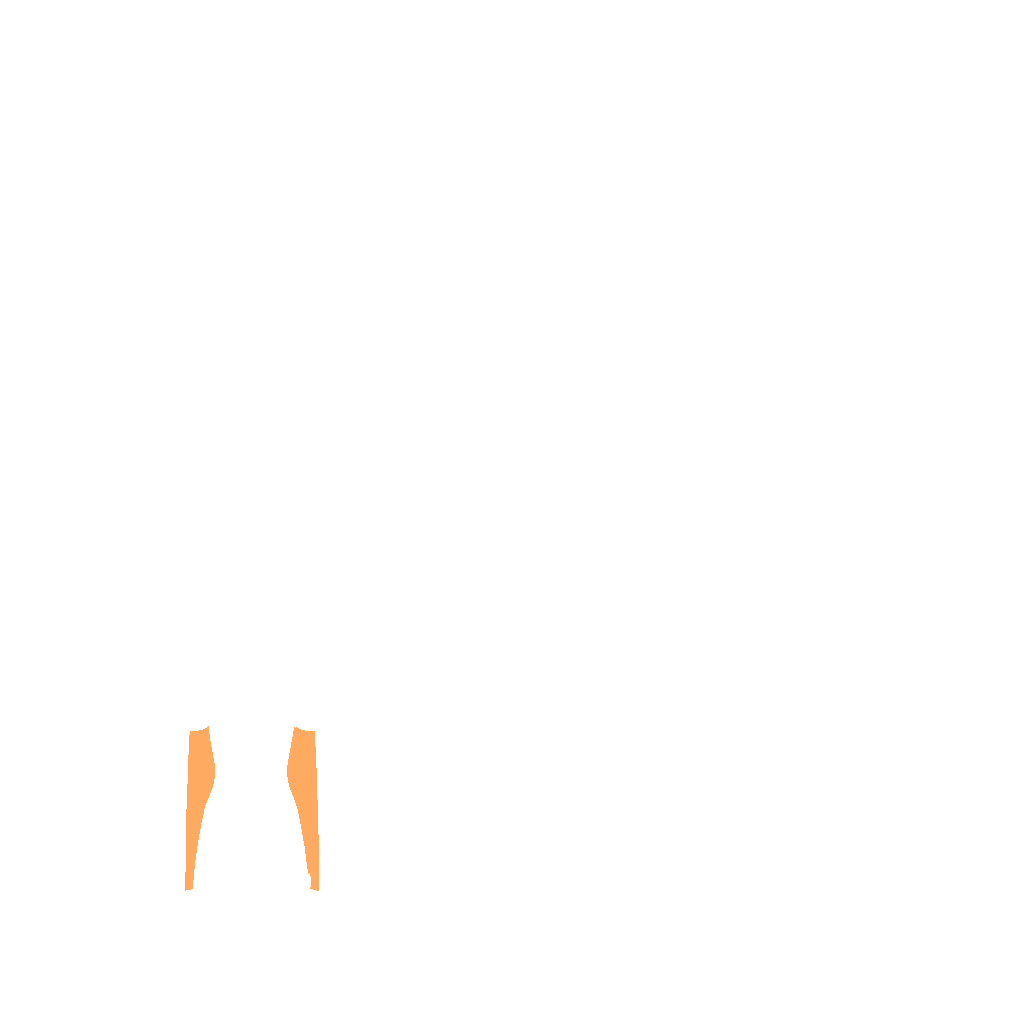


- Target
- Gastrocnemius Lateral Head, Gastrocnemius Medial Head
- Secondary
- Soleus Gastrocnemius
How to do it
- 1
Place the balls of your feet on a raised block or platform with heels free.
- 2
Hinge forward at the hips to about 90 degrees and support your upper body on a bench or handles.
- 3
Position the load across your hips or lower back and keep your knees straight.
- 4
Lower your heels until you feel a deep stretch through the calves.
- 5
Drive up onto your toes as high as possible and hold the top squeeze.
- 6
Move smoothly and avoid rounding or arching the lower back hard.
Tips
- Keep the back flat and the hinge fixed so all the movement happens at the ankles.
- Chase the stretch at the bottom; the pre-stretched position is the whole point of this variation.
- Keep knees straight throughout to keep the emphasis on the gastrocnemius.
Variations
Common mistakes
- The lower back rounds as the set goes on, turning a hip hinge meant to stay fixed into extra spinal flexion under load.
- Bending the knees to help drive the heels up shifts the stretch and the work away from the gastrocnemius and onto the quads.
- Once the load feels heavy, the hips start bouncing at the bottom instead of pausing in the deep stretch that makes this variation worthwhile.
- The torso angle drifts more upright rep by rep, which shortens the hip hinge and quietly turns the exercise back into a standing raise.
Frequently asked
- How many reps of the donkey calf raise should you do when you are new to the exercise?
- Start with 3 sets of 12 to 15 reps on a light setting, since the stretched position is more demanding than it looks. Increase load only once you can hold the bottom stretch for a full second on every rep without the hips bouncing.
- What can you use instead of a donkey calf raise machine?
- A hip-belt setup with a loaded dip belt lets you hinge over a bench and load the same stretched position without a dedicated machine. A partner sitting lightly across your lower back, or simply doing the weighted donkey calf raise with a plate, reproduces the same hip-hinge stretch.
- What is the donkey calf raise good for?
- The forward hip hinge pre-stretches the gastrocnemius more than an upright raise does, making it a strong hypertrophy tool once you already have basic calf strength. It is a poor first calf exercise for beginners, since holding a flat-backed hip hinge under load takes more coordination than a simple standing or seated raise.
Related exercises
Other movements among FitRay's 2,000+ exercises that load the same target muscle — same equipment and level first.
- IntermediateDeficit Dumbbell Calf RaiseBox · Dumbbell · Calves
- IntermediateFarmer-Hold Calf RaiseBox · Dumbbell · Calves
- IntermediateSingle-Leg Donkey Calf RaiseBox · Calves
- IntermediateStanding Barbell Calf RaiseBarbell · Box · Calves
- IntermediateStanding Single-Leg Smith Calf RaiseBox · Smith Machine · Calves
- IntermediateWeighted Donkey Calf RaiseBench · Box · Plate