Standing Pilates Side Bend with Ball
This standing side bend works the obliques on one side while lengthening the ribs and lats on the other, all controlled by holding a small ball overhead. Reaching up and over creates a long, even arc rather than a collapse to the side. It builds lateral core strength and thoracic mobility and makes a graceful standing addition to any mat flow.
- Equipment
- Pilates Ball
- Body part
- Abs
- Type
- Pilates, Strength, Stretching
- Browse by muscle
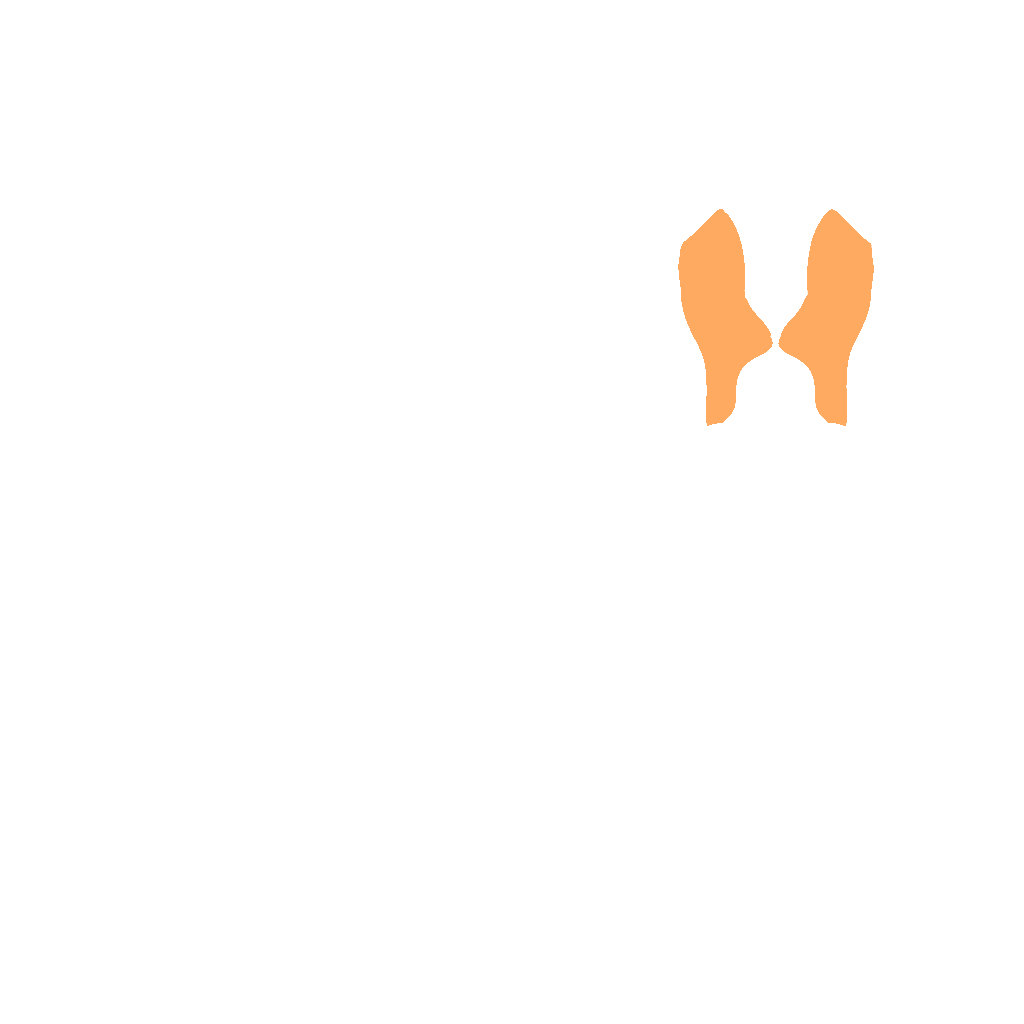
- Abdominal External Oblique
- Browse by movement
- Core Brace





- Target
- Abdominal External Oblique
- Secondary
- Erector Spinae, Latissimus Dorsi
- Tertiary
- Deltoid Middle
How to do it
- 1
Stand tall with feet hip-width and hold a mini ball in both hands overhead.
- 2
Lengthen up through the arms and stack the ribs over the pelvis.
- 3
Exhale and reach up and over to one side, bending laterally through the waist.
- 4
Keep both feet grounded and the hips level and facing forward.
- 5
Inhale and use the top (lengthened) side of the waist to draw yourself back to center.
- 6
Repeat to the other side, keeping the arc long rather than deep.
Tips
- Reach up before you go over so the spine lengthens instead of crunching.
- Do not let the hips push out to the opposite side; keep them stacked.
- Bend only as far as you can control the return without dropping the ball forward.
Variations
Common mistakes
- The outer edge of the foot on the top (lengthened) side lifts off the floor as the bend deepens, letting the ankles do work that belongs to the waist.
- Locking the knees at setup transfers the sway of the bend into the low back instead of keeping it isolated to the trunk.
- The shoulders creep up toward the ears as the arms hold the ball overhead, adding neck tension that has nothing to do with the side bend.
- As fatigue sets in, the bend shortens into a shrug at the shoulder instead of a long reach through the whole side of the body.
Frequently asked
- How many reps of the standing Pilates side bend with a ball should a beginner do?
- Start with one set of 5 slow reps on each side, focusing on reaching tall before you tip over. Once the arc feels controlled and the hips stay stacked for all 10 reps total, add a second set before adding any more reps.
- What can you hold instead of a ball for the standing Pilates side bend?
- Any small object you can grip with both hands works just as well: a rolled towel, a paperback book, or a light water bottle held with both palms overhead. The ball itself does not add resistance, it just keeps the arms framed and the hands from drifting apart, so anything similar in size does the job.
- What is the standing Pilates side bend good for, and when should you skip it?
- It builds lateral core strength and thoracic mobility in a standing position, which makes it a good fit for anyone whose training is mostly front-to-back and never sideways, including desk workers and runners. Skip it if you have an acute low-back strain, since standing side bending loads the spine through a range that can aggravate a fresh injury.
Related exercises
Other movements among FitRay's 2,000+ exercises that load the same target muscle — same equipment and level first.